 Easy Tech Tuts
How to Hide Indicator Name in Tradingview Easily 2026
By Impran M N
A chart running several indicators can quickly fill up with title text and status-line labels stacked in the corner, making it harder to actually read price action underneath. This guide shows exactly where that clutter comes from and how to turn it off using TradingView's chart settings panel, without removing or disabling the indicators themselves. It's aimed at traders who want a cleaner, more minimal chart, especially anyone running multiple overlays and oscillators at once.
01See what indicator labels look like by default
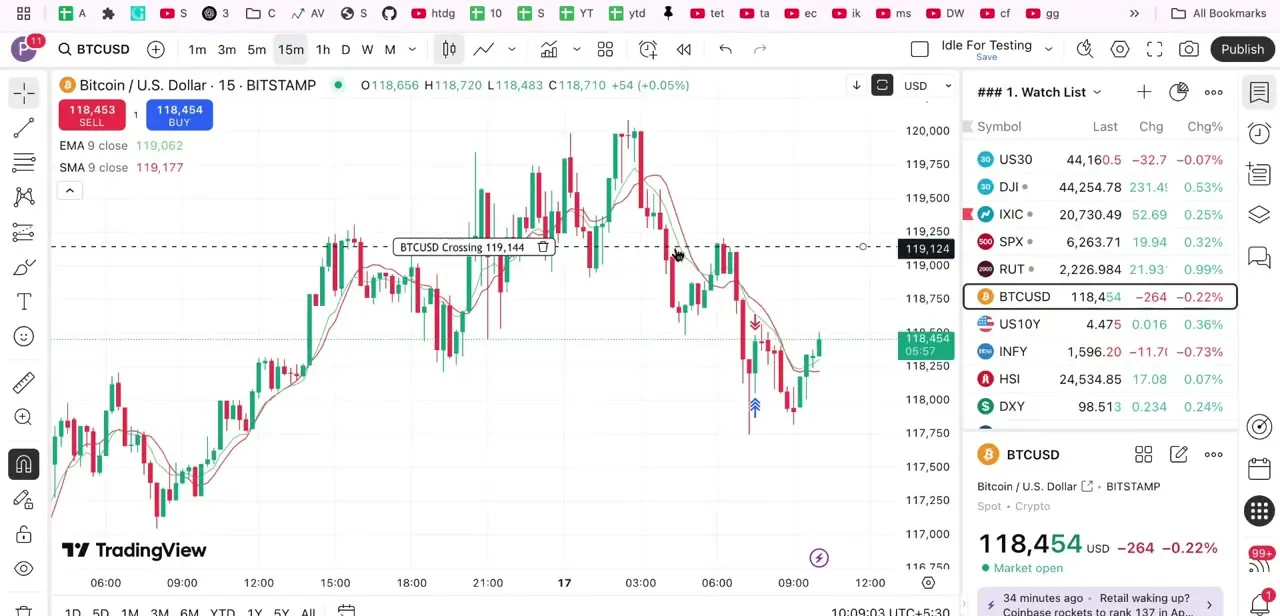
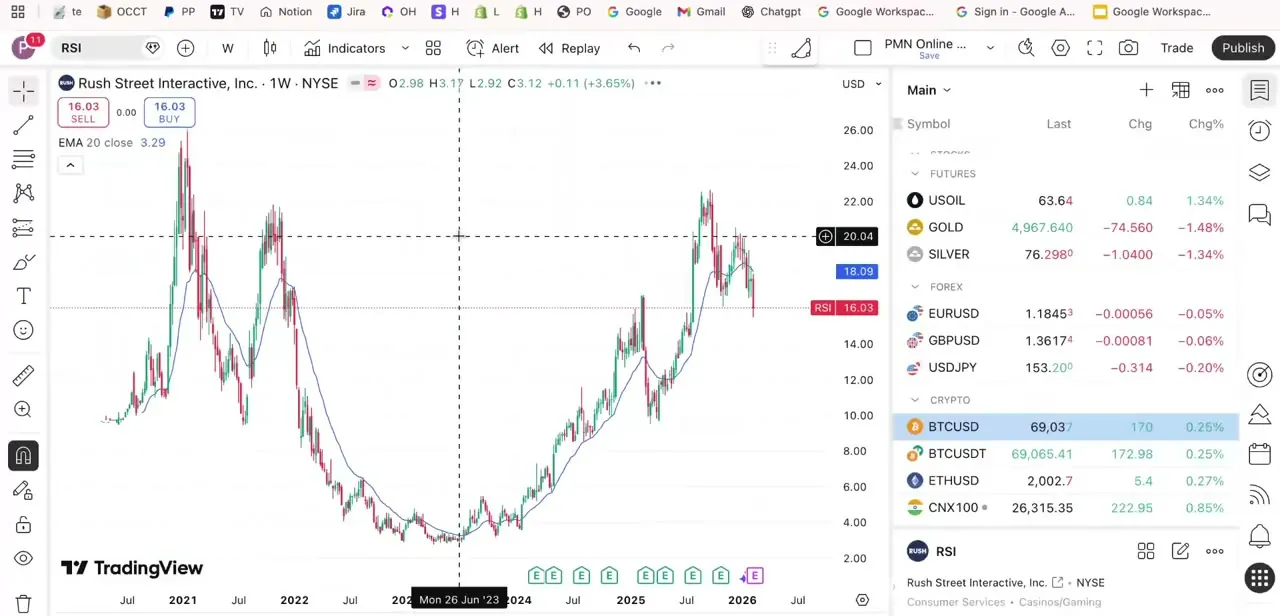
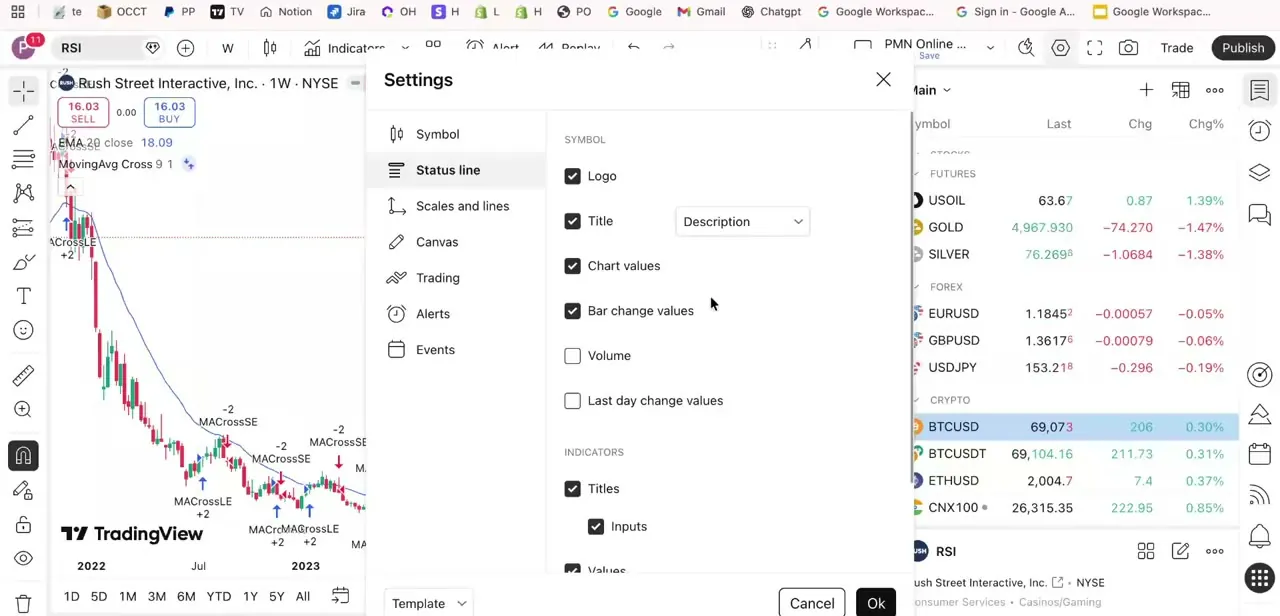
With a couple of indicators active — an EMA overlaid on price and moving-average-cross signals plotted as arrows with plus/minus labels — the top-left corner of the chart fills up fast. Each indicator writes its name and current value on its own line: 'EMA 20 close 3.29', 'MovingAvgCross 9 1', and so on, stacking downward as you add more. On a chart with several tools running, this label stack alone can cover a meaningful chunk of the price pane.
02Open the chart Settings panel
Right-click anywhere on the chart and choose Settings, or click the gear icon in the top toolbar. The Settings dialog opens with a left-hand list of sections — Symbol, Status line, Scales and lines, Canvas, Trading, Alerts, Events — and the Status line tab is the one that controls what text appears docked in the corner of your chart, including everything indicators write there.
03Uncheck Titles and Values under Indicators
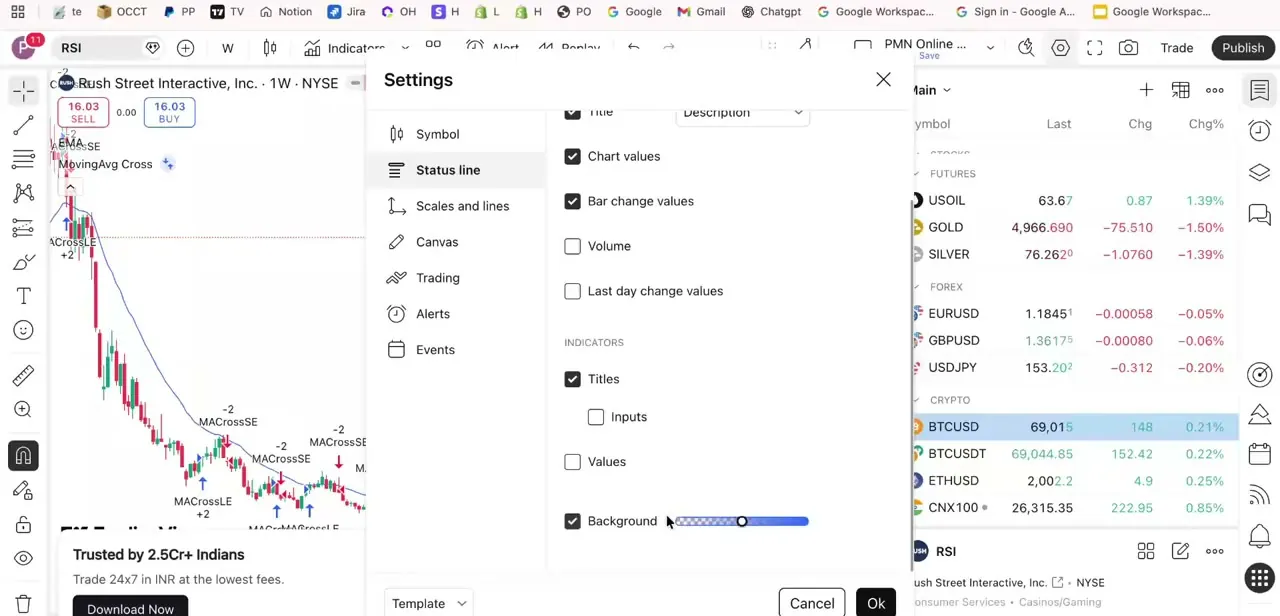
Scroll to the Indicators section within Status line and you'll find two relevant checkboxes: Titles, which controls whether each indicator's name and input arguments are printed on the chart, and Values, which controls whether the live numeric readout is shown. Uncheck Titles and its Inputs sub-checkbox disappears along with it — that's the setting doing the actual work here. Leave Values checked if you still want to glance at the live number without the name label cluttering the same line.
04Confirm the labels are gone
With Titles and Values both unchecked, the same chart that had 'EMA 20 close' and 'MovingAvgCross 9 1' stacked in the corner now shows just the indicator lines and signal markers themselves, with no text label attached. The indicators are still fully active and calculating in the background — nothing about how they function changes, only what gets printed on screen.
05Decide what to keep for readability
A fully bare chart isn't always the goal — if you're running five or six indicators, keeping Values checked while hiding Titles can strike a better balance, letting you glance at a live number without the name clutter, while still knowing which line is which by color or position on the chart.
06Save the layout so it sticks
Click Ok to apply the settings, then save your layout from the toolbar so the hidden-label configuration persists the next time you open that chart. This setting lives with the layout rather than your account globally, so a different saved layout will keep its own separate Titles and Values preference.
Frequently asked questions
Will hiding the indicator name affect how it functions?
No — hiding the Titles or Values label in Status line settings only changes what's displayed visually and doesn't change how the indicator calculates or behaves.
Can I hide labels for all indicators at once?
Yes, within one chart — the Titles and Values checkboxes under the Indicators section of Status line settings apply to every active indicator on that chart at once, not one at a time.
Does this setting reset when I reload TradingView?
If you save your layout after making the change, the hidden labels persist the next time you open that same chart layout.
Why would I want to hide indicator names?
Hiding titles reduces visual clutter, especially when running multiple indicators, making it easier to focus on price and key signals instead of a stack of label text in the corner.
About the author

Impran M N
I've been hooked on technology for as long as I can remember — especially the new tools and AI apps that seem to land every other week. Easy Tech Tuts is where I write up whatever I've just worked out: I do the task in the real product, record the screen, and turn it into the guide I wish I'd found first.