 Easy Tech Tuts
How to Add a Coming Soon Page on Squarespace 2026, Enable Maintenance / Under Construction Page
By Impran M N
Whether you're preparing for launch, mid-redesign, or just working behind the scenes, a coming soon page keeps visitors informed instead of showing them a half-finished site. Squarespace gives you two genuinely different ways to do this — swap in a standalone page as your homepage while the real site stays unlinked, or lock the entire site behind a password for a true maintenance-mode effect. This guide covers building the page itself, setting it live, and the password-protection alternative for when you want the whole site hidden rather than just the homepage.
01Create a new page in Not Linked
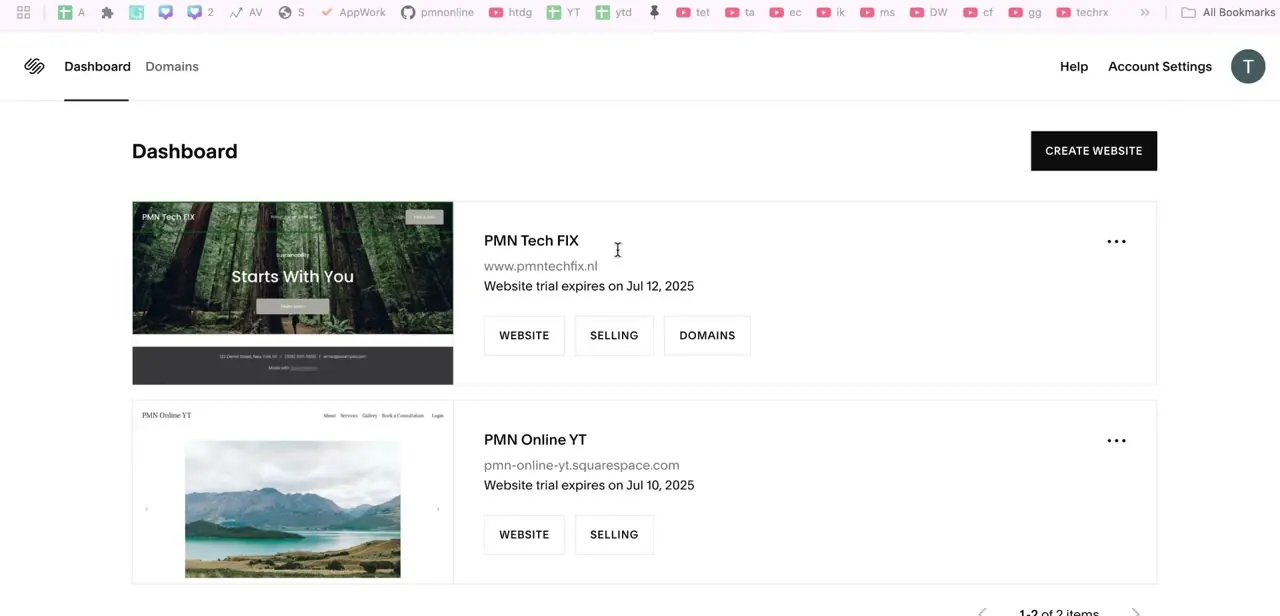
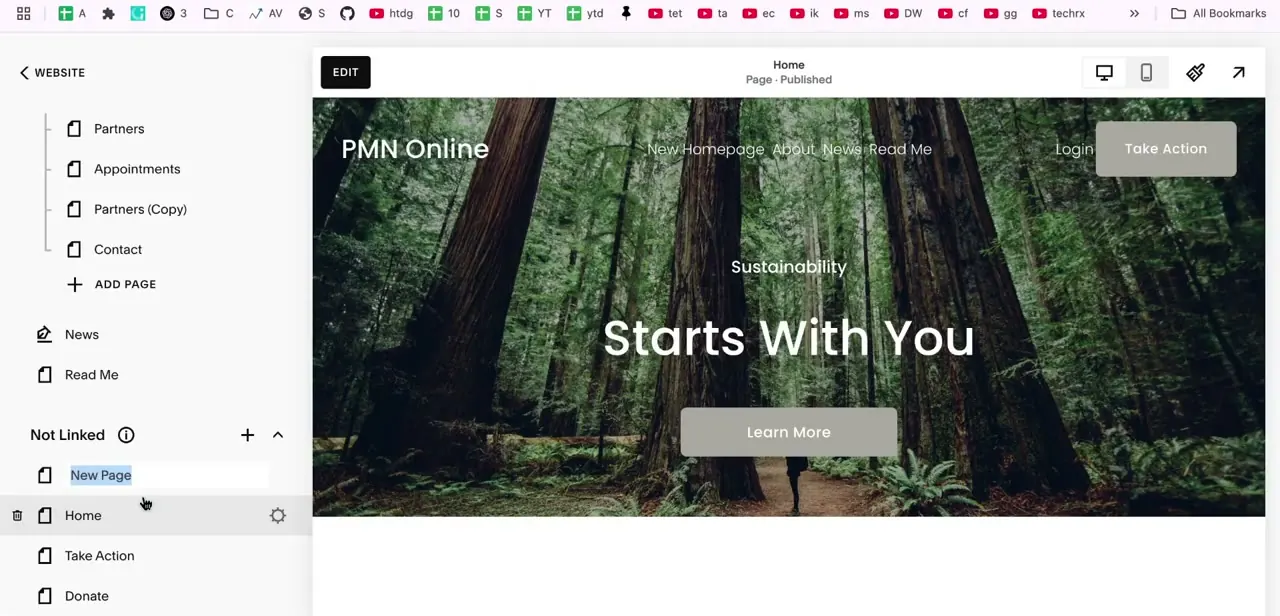
In the Squarespace dashboard, open Pages and scroll down to the Not Linked section — this is where pages live that exist on your site but aren't connected to any navigation menu, which is exactly what you want for a page that isn't ready for regular visitors yet. Click the plus button and add a Blank Page, then give it a clear name like "Coming Soon" so it's easy to find again later, especially once you have several unlinked pages alongside your real ones.
02Design the page content
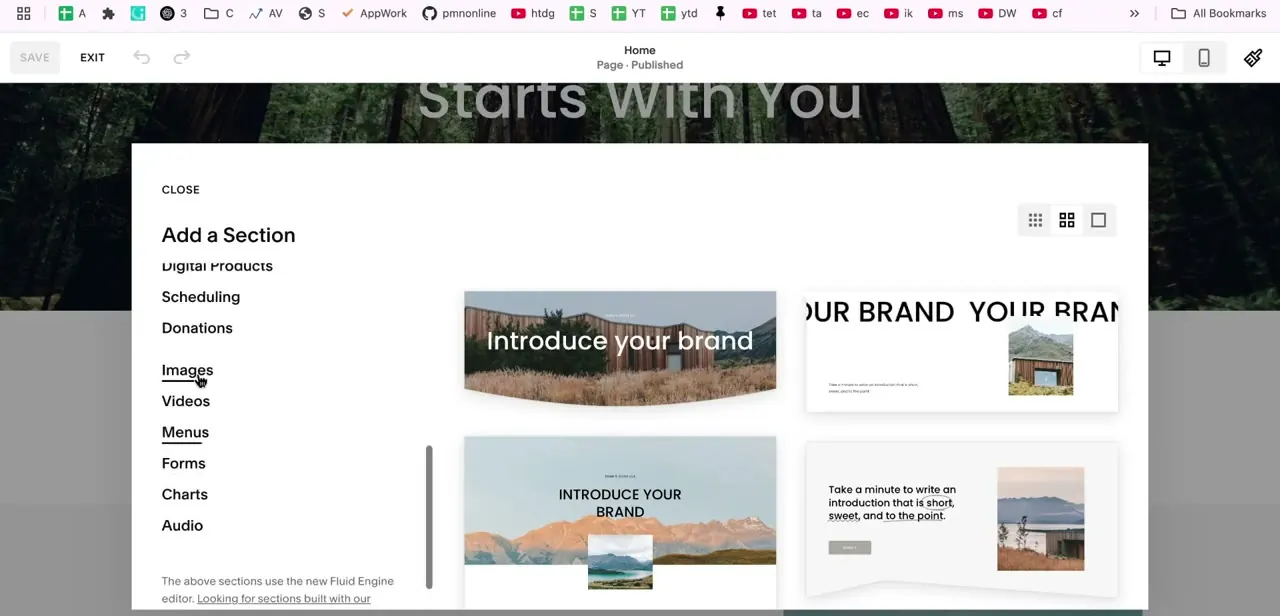
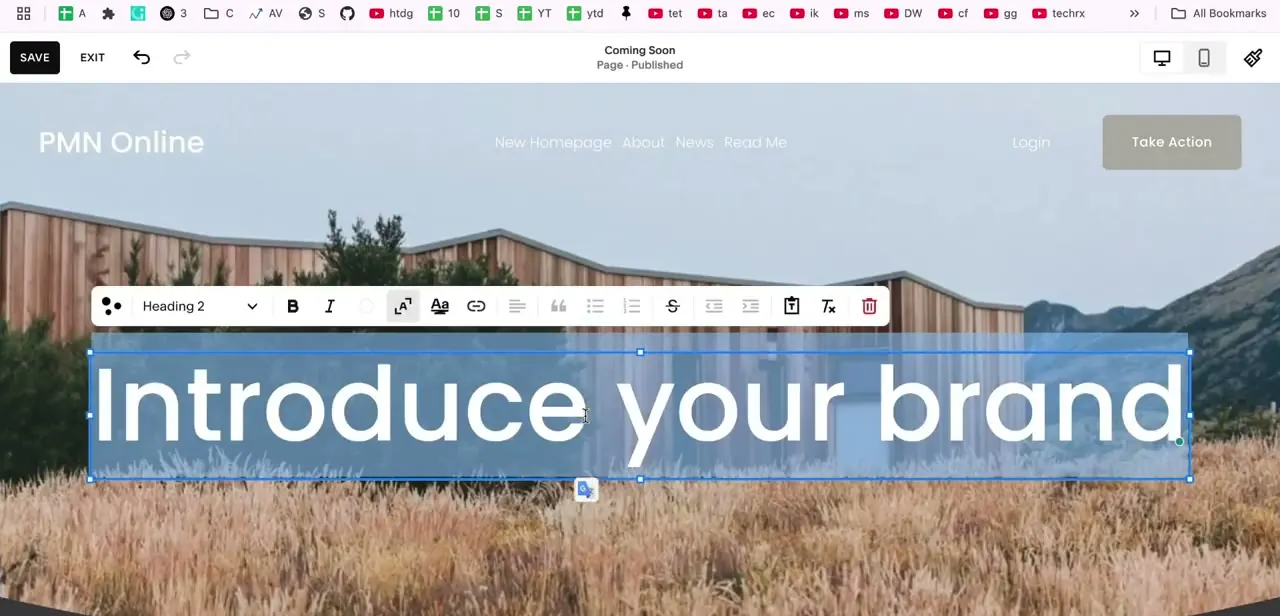
Open the new page in the editor and build out a simple message — a bold heading is usually enough, something like "Coming Soon" or "Launching Soon," styled using the same section and heading tools you'd use on any other page. Click into a text block to edit it directly; Squarespace's inline editor lets you change the heading level and formatting right there, and it's worth keeping the message short since this page is meant to be glanced at, not read in depth.
03Open Page Settings to configure the page
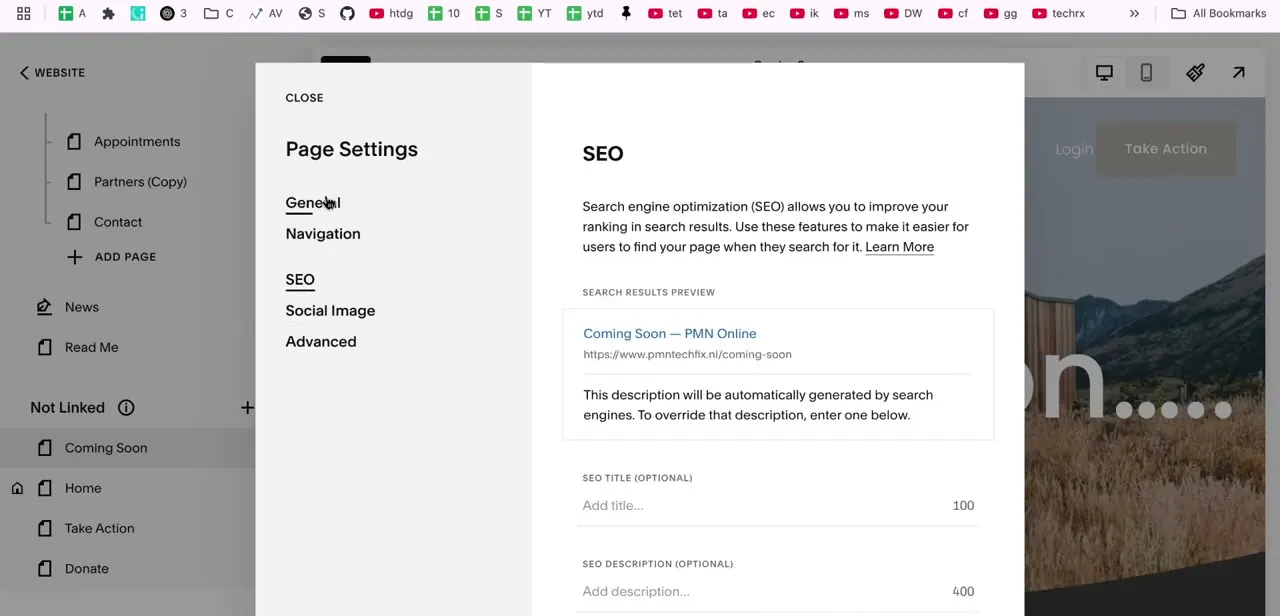
Hover over the page in your list and click its settings icon to open Page Settings, which groups General, Navigation, SEO, Social Image, and Advanced into separate tabs. The General tab is where you'll find the option to set this page as your homepage — a toggle that, once enabled, makes this the first thing any visitor sees regardless of what URL they land on. The SEO tab is also worth a glance here, since it controls how the page's title and description appear if it gets shared or indexed while still in a coming-soon state.
04Set it as your homepage and confirm it's live
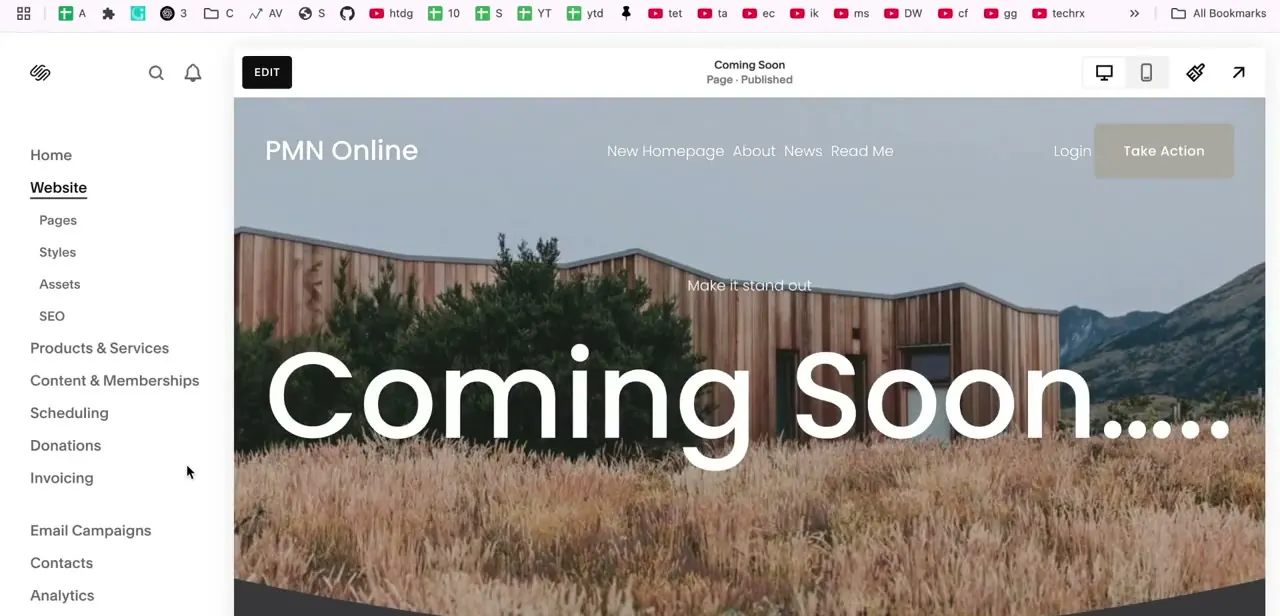
Back in General, enable Set as Homepage and save — Squarespace immediately starts serving this page to every visitor, while the rest of your site remains reachable only through the Not Linked section or direct URLs you haven't shared yet. Preview the live site afterward to confirm visitors land on the coming-soon message rather than your old homepage, since the change should take effect the moment you save.
05Or lock the whole site with password protection
If you'd rather hide everything, not just swap the homepage, go to Settings, then Site Availability, and choose Password Protected instead. Enter a password and a short message like "Site Coming Soon" for visitors to see before they can get past the lock screen — this approach is closer to true maintenance mode, since nothing on the site is reachable without the password, including pages you might have left linked.
06Combine both approaches if it fits your launch
The two methods aren't mutually exclusive — you can build the cover page with an email capture form for early visitors and still enable password protection behind it, so anyone without the password sees your coming-soon message rather than a generic lock screen. This is a common setup for a real launch: it keeps the site fully hidden while still collecting interested visitors' emails ahead of time.
Frequently asked questions
What's the difference between the two coming soon methods?
One sets a cover page as your homepage while the rest of the site stays in the Not Linked section; the other, Password Protected under Site Availability, locks the entire site behind a password.
Can I collect emails on my coming soon page?
Yes, you can add an email capture form block to your coming soon page to start building your subscriber list before launch.
Where do I enable password protection?
Go to Settings, then Site Availability, and choose Password Protected — you'll be asked to set a password and an optional message for visitors.
Will visitors see the rest of my site while it's coming soon?
No — with the cover-page method the rest of your site stays in the Not Linked section, and with password protection the entire site is locked regardless of navigation links.
Can I remove the coming soon page later?
Yes, once you're ready to launch, you can disable Set as Homepage in Page Settings or turn off password protection under Site Availability to restore normal access.
About the author

Impran M N
I've been hooked on technology for as long as I can remember — especially the new tools and AI apps that seem to land every other week. Easy Tech Tuts is where I write up whatever I've just worked out: I do the task in the real product, record the screen, and turn it into the guide I wish I'd found first.