 Easy Tech Tuts
How to Sell Shopify Templates | Turn Themes Into Income | Easily 2026
By Impran M N
If you have design or development skills, selling Shopify themes is one way to turn that into a side income or a full business, since demand for quality templates keeps growing alongside e-commerce. The path isn't just "design something pretty" — it runs through a Shopify account built for development, a real store to test the theme in, and a pricing and marketing plan before anyone sees it.
Skip any of those middle steps and you end up with a theme that looks good in a mockup but breaks the first time a merchant actually installs it. This guide covers picking a profitable niche, setting up the account and store you'll actually build in, and getting your first template in front of buyers, along with the pricing and marketing decisions that determine whether it sells at all. It's suited to both beginners exploring a side hustle and developers looking to expand an existing portfolio.
01Identify a profitable niche
Before building anything, research which types of Shopify themes are in demand so your template targets a market that's actually looking to buy. Browse existing marketplaces for gaps — categories with a handful of dated options rather than dozens of polished ones are usually your best opening.
Niches tied to a specific product type, like jewelry, supplements, or print-on-demand apparel, tend to convert better than generic "all-purpose" themes because merchants can picture their store in the preview immediately. Spend time reading reviews on existing themes in your target niche too; the recurring complaints there are effectively a free feature list for what your template should get right.
02Sign in to the account you'll build in
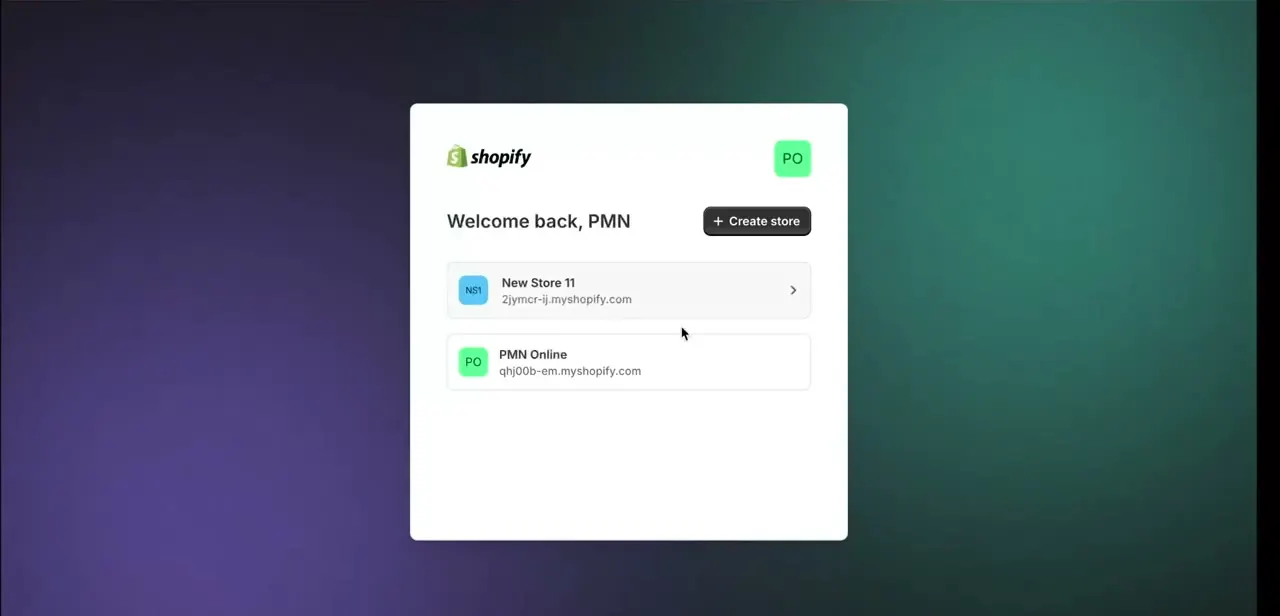
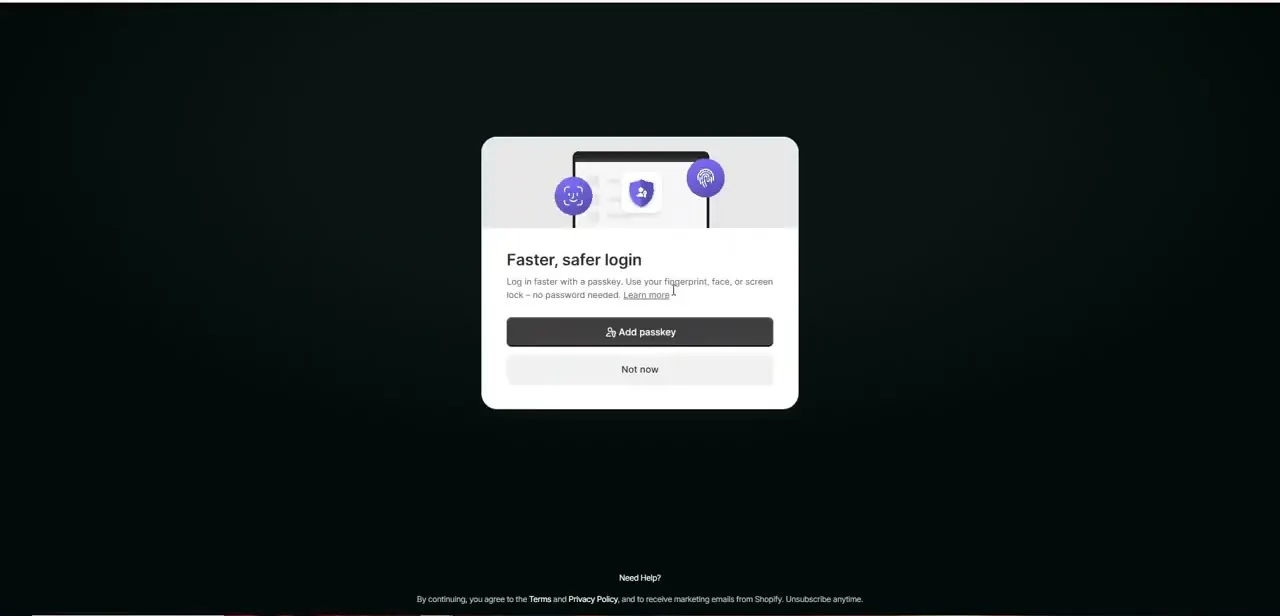
Template development happens outside your regular storefront login, so you'll sign in through the account tied to your development work. Shopify's login screen now defaults to passkey-based sign-in for a faster, password-free process, though you can skip it and continue with your usual credentials if you'd rather not set one up yet. Whichever you choose, this is the account every theme file, test store, and eventual submission will be tied to, so use one you'll keep long-term rather than a throwaway address you might lose access to later, since account changes mid-project can complicate an active marketplace listing.
03Set up a store to build and test in
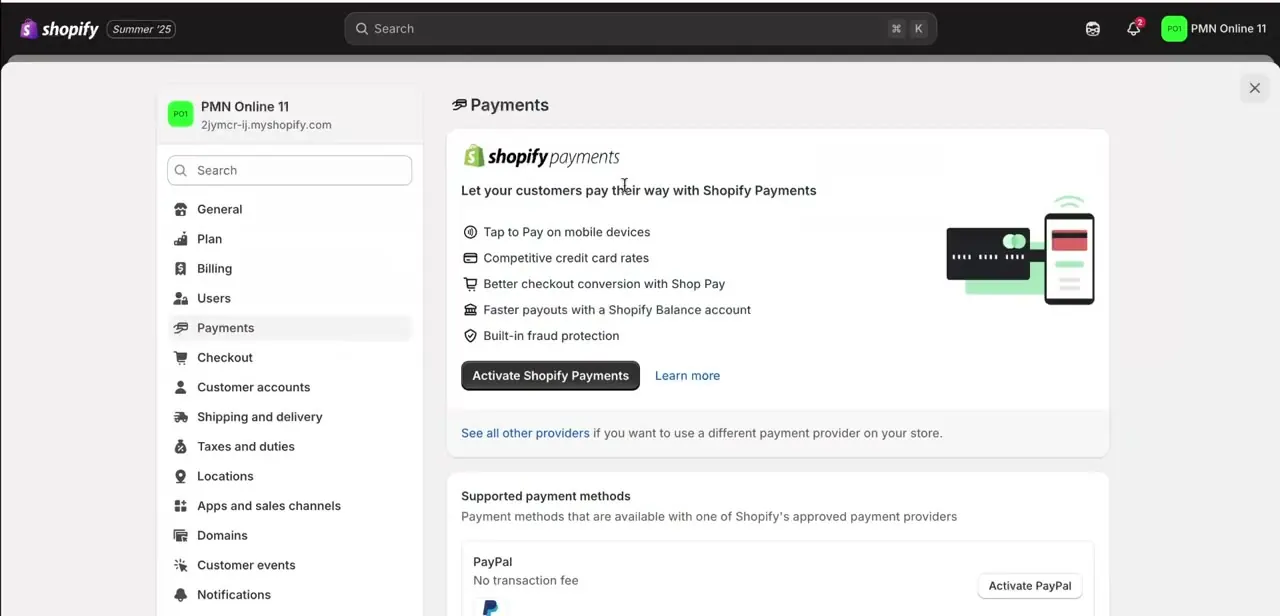
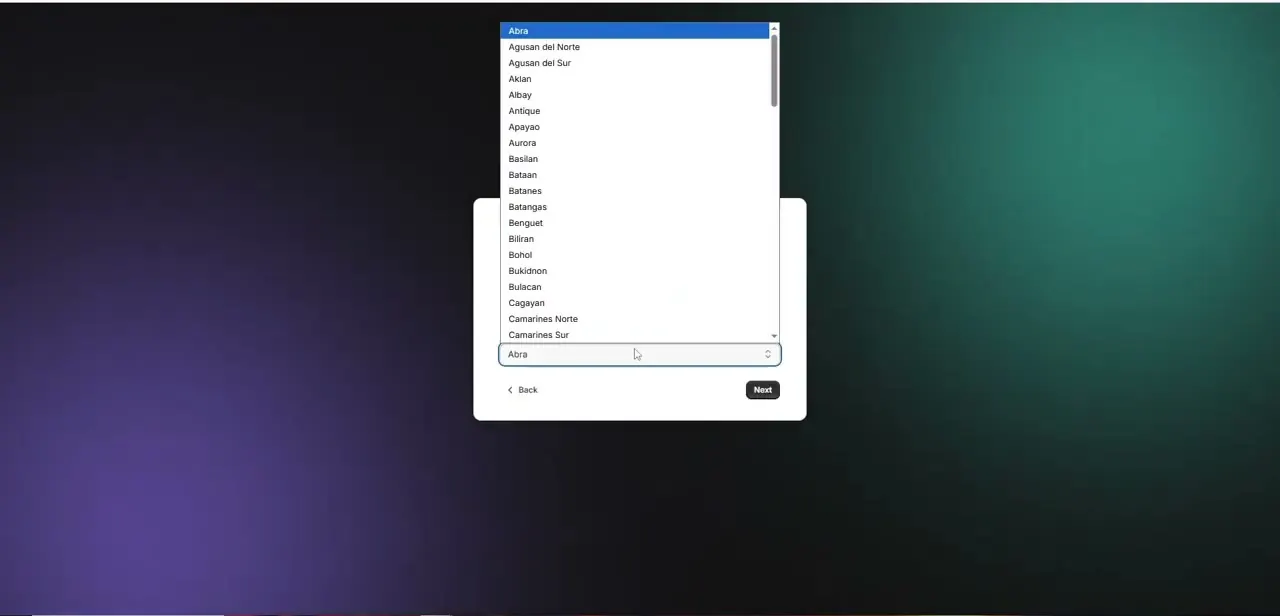
You need a real, working store to build a theme against — you can't design blind against nothing. Spinning one up walks you through basic setup screens, including regional details like province or state, which Shopify uses to configure tax, currency, and shipping defaults for the test store.
It feels like overkill for a store you'll never actually sell from, but themes behave differently once real settings, sample products, and checkout flows are in play, so skipping this step tends to surface bugs later instead of now. Populate it with realistic sample data too — products with long titles, missing images, or out-of-stock variants — since that's exactly the messy real-world content your theme needs to handle gracefully once merchants install it.
04Build your first template
Design and build a theme that solves a real problem for merchants in your chosen niche, focusing on both usability and visual quality since both affect whether it sells. Keep the customer-facing side clean and fast-loading, but don't neglect the merchant-facing side either — clear section settings and sensible defaults in the theme editor are what separate a template that gets five-star reviews from one that generates support tickets. Test the theme across mobile, tablet, and desktop before calling it done, since a large share of buyers will judge your demo store entirely from their phone, and a theme that looks polished on a wide desktop monitor but breaks or feels cramped on a small screen will lose sales before a merchant even reads the description.
05Set up your listing and pricing
Decide where you'll sell the template — Shopify's own Theme Store, a third-party marketplace, or direct sales through your own site — and price it against what comparable themes charge in the same category. Most successful themes land in a fairly narrow price band for their niche, so wildly undercutting or overpricing tends to hurt more than help. Write your listing copy around the specific problem the theme solves, not just its feature list, and lead with the merchant outcome — faster checkout, better mobile conversion, easier customization — rather than a technical spec sheet nobody reads first.
06Market your theme to potential buyers
Promote your template through the channels available to you, since a well-built theme still needs visibility to generate sales. Screenshots and a live demo store do more work than written descriptions, so keep your test store polished and ready to link to.
Communities of Shopify merchants, design showcase sites, and your own portfolio are all reasonable places to point traffic before you have marketplace reviews to lean on, and offering a limited-time discount to your first handful of buyers is a common way to generate the early reviews that make everyone after them more comfortable purchasing. Short video walkthroughs of the theme in action, even informal ones, tend to outperform static screenshots for the same reason product demo videos outperform product photos — they answer the buyer's real question of how it actually behaves rather than just how it looks.
07Use automation to streamline the process
Where possible, use tools that speed up design or customer outreach so you can focus more on creating templates and less on repetitive tasks. That might mean automating support responses for common setup questions, using AI-assisted design tools for variant mockups, or scripting repetitive theme-file edits across sections. The goal is spending your limited time on what actually differentiates your theme, not on manual work a tool could handle — especially once you have more than one template to maintain and updates start competing for the same hours.
Frequently asked questions
Do I need coding experience to sell Shopify templates?
Having development or design skills helps significantly, since you'll need to build a functional, polished theme in the Shopify editor that merchants are willing to pay for.
How do I know which Shopify theme niche is profitable?
Look at what kinds of stores and industries are underserved by existing templates, and build toward that gap rather than an already crowded general-purpose category.
Do I need a real store to build a theme?
Yes — you need a working development store to design and test against, since themes behave differently once real settings, products, and checkout flows are involved.
Can beginners realistically make money selling Shopify themes?
Yes, though results depend heavily on template quality and marketing effort, so treat your first theme as a learning project as much as a product.
Is this a good side hustle or a full business?
It can work as either, depending on how much time you invest in building out a catalog of templates versus selling just one or two.
About the author

Impran M N
I've been hooked on technology for as long as I can remember — especially the new tools and AI apps that seem to land every other week. Easy Tech Tuts is where I write up whatever I've just worked out: I do the task in the real product, record the screen, and turn it into the guide I wish I'd found first.