 Easy Tech Tuts
How to Fix Alternate Page with Proper Canonical Tag Shopify Error Easily 2026
By Impran M N
Opening Google Search Console to a wall of 'Alternate page with proper canonical tag' warnings is alarming until you understand what the label actually means — and on a Shopify store, it usually isn't the emergency it looks like. This guide breaks down why Shopify generates these alternate URLs in the first place, shows you where to check the canonical tag on a real page, and walks through confirming it points where it should before you tell Search Console the issue is resolved.
01Read the warning correctly
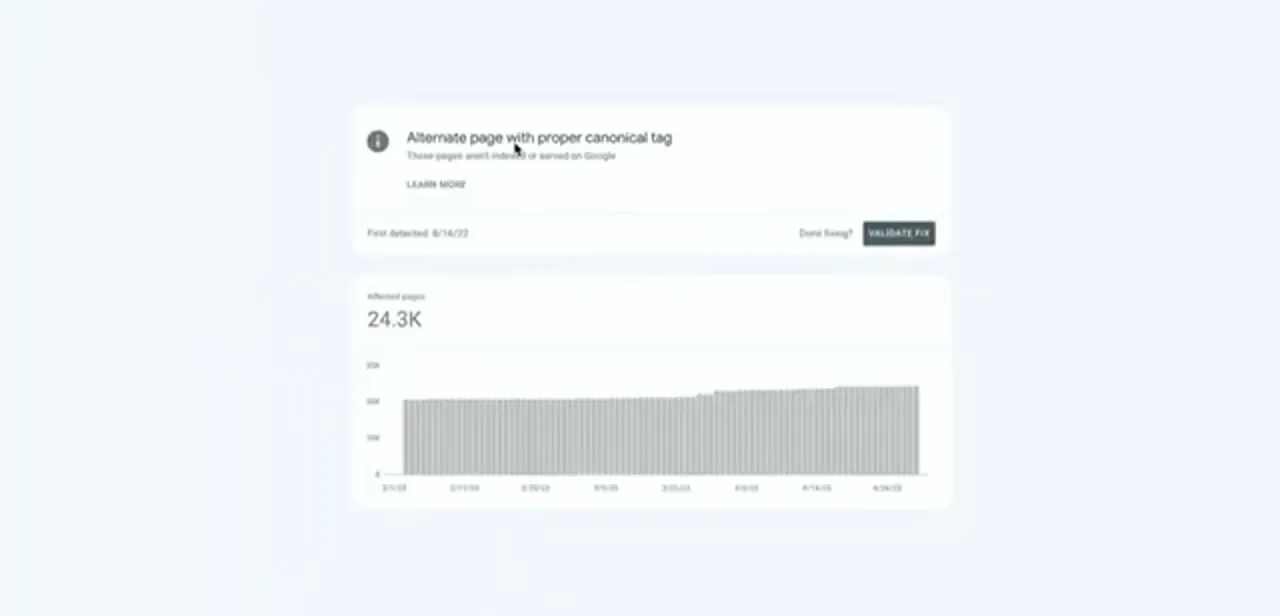
Open the issue in Search Console and you'll see a card labeled 'Alternate page with proper canonical tag,' with a note underneath that these pages simply aren't indexed or served on Google — not that anything is broken. This status appears when Google crawls a URL, finds a canonical tag pointing to a different URL as the authoritative version, and correctly excludes the duplicate from search results. A large affected-page count next to this label, sometimes in the tens of thousands, looks dramatic but is often just Shopify's routing doing exactly what it's supposed to.
02Understand why Shopify creates alternate URLs
Shopify generates more than one URL for the same product on purpose. A product can be reached directly, through a collection page, or through a collection with filters and sorting applied, and each of those paths produces a slightly different URL for the identical item. Rather than letting search engines treat each variant as separate content, Shopify adds a canonical tag to every one of them pointing back to a single main URL, which is exactly the mechanism the warning is reporting on.
03Check the canonical tag in the page source
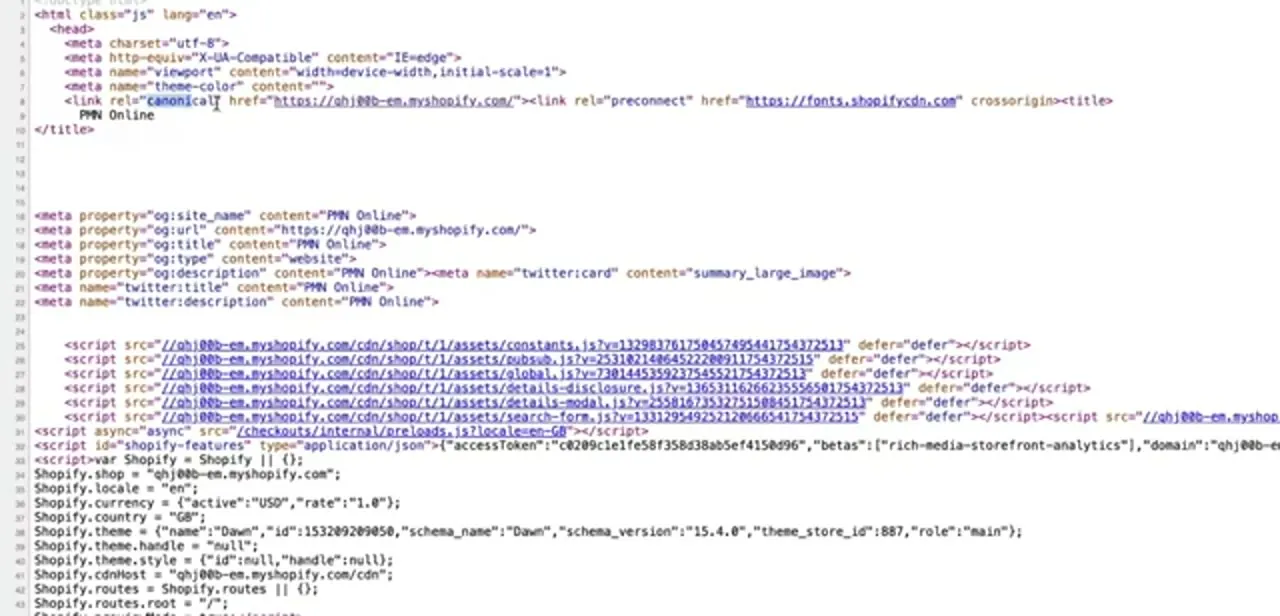
To confirm this is working as intended on your own store, open one of the flagged URLs and view its page source. In the head section you're looking for a line like link rel="canonical" pointing to your store's actual domain and the clean version of that URL. If the href in that tag matches the primary product or collection URL you'd expect customers and search engines to land on, the setup is correct and the warning is informational rather than a problem to fix.
04Trace the alternate URL back to its source
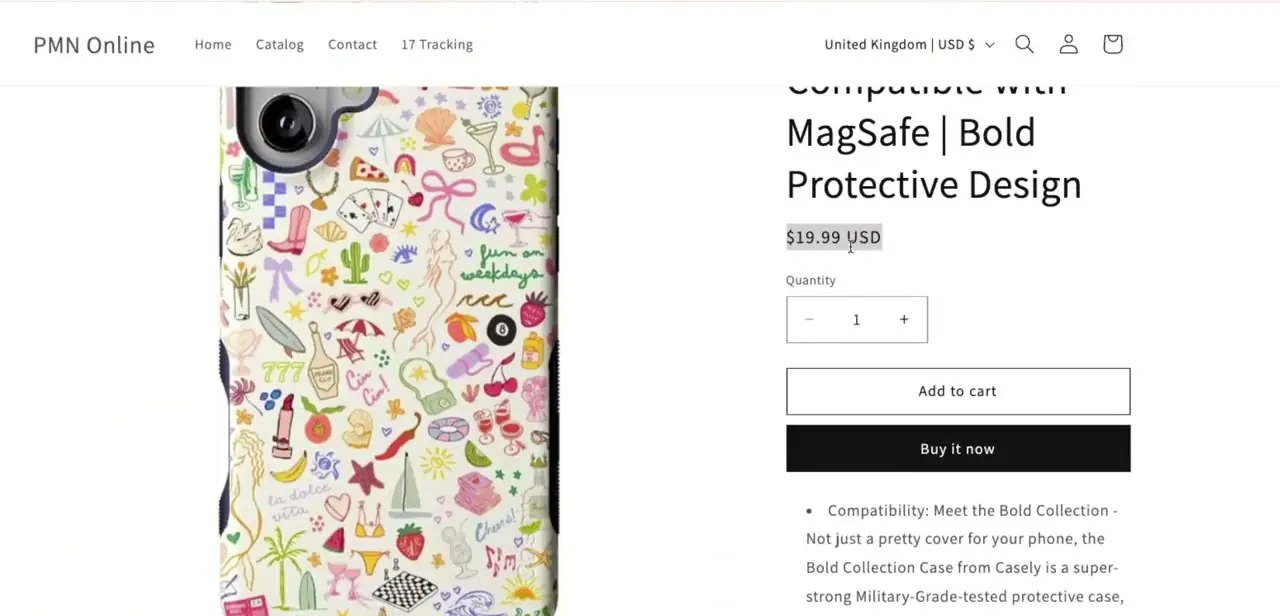
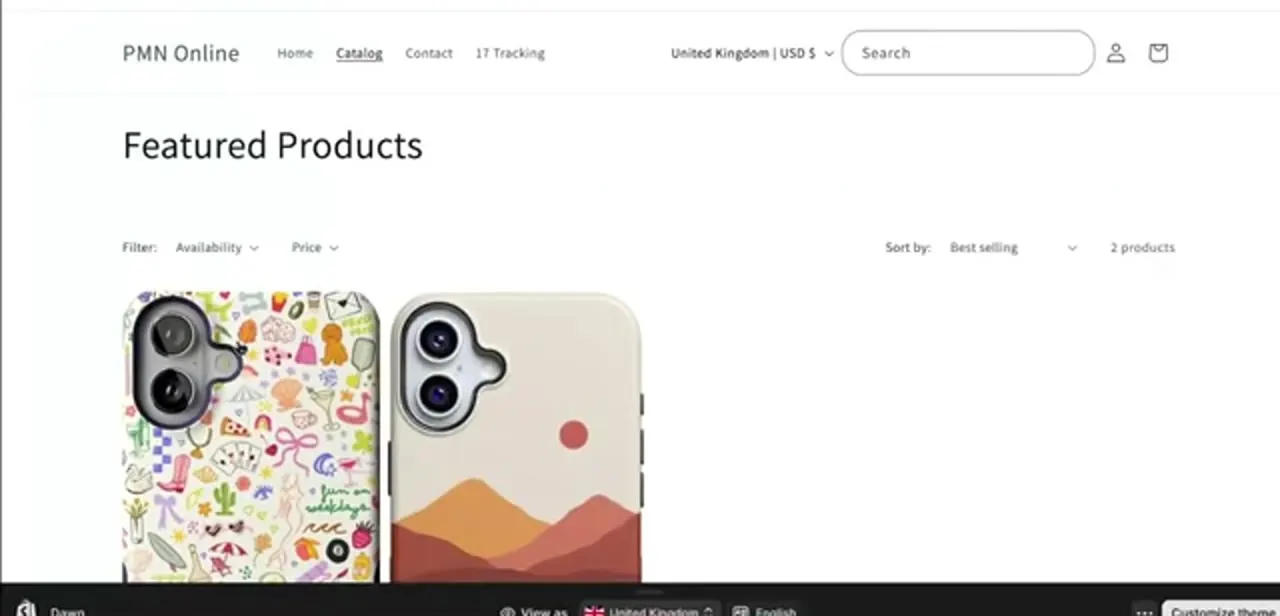
It helps to actually browse the pattern that's triggering the flag — visit a collection page like Catalog on your storefront, then use the filter and sort controls to see how the URL changes with each selection. Every one of those filtered or sorted views is a separate URL that Shopify will canonicalize back to the clean collection or product page, which is the exact relationship Search Console is describing when it lists a page as an alternate with a proper canonical tag.
05Check for theme customizations that could break this
The default Shopify setup handles canonical tags correctly out of the box, so if something is actually wrong, custom theme code is the most likely culprit. Look through any recent edits to theme.liquid or template files for hardcoded canonical tags, duplicate meta tags, or logic that overrides Shopify's automatic canonical output. A custom app or a botched SEO plugin installation is the second most common cause of a canonical tag genuinely pointing to the wrong URL.
06Decide whether action is needed, then validate
If the canonical tags you checked all point to the correct primary URLs, there's nothing to fix — mark the issue as reviewed in your own notes and move on, since Search Console will keep this label as long as the URL pattern exists, which is expected long-term behavior. If you did find and correct a genuine misconfiguration, use the Validate fix button on the issue page to have Google recrawl the affected URLs and confirm the canonical tags are now correct.
Frequently asked questions
Is the canonical tag notice always a problem?
No. It usually just confirms that a duplicate or filtered URL correctly points to another page as its canonical version, which is exactly how Shopify's product and collection routing is designed to work.
Does Shopify set canonical tags automatically?
Yes. Shopify adds a canonical link tag to product, collection, and filtered pages by default, which is what generates this Search Console label in the first place.
Can theme customization cause canonical tag issues?
Yes. Custom code in theme.liquid, a duplicate meta tag, or a third-party SEO app can override or conflict with Shopify's default canonical output — check your page source if you suspect this.
Will this affect my store's search rankings?
In most cases no. The warning is informational: it's Google confirming it correctly identified the primary URL among several variants, not a ranking penalty against your store.
How do I check if my own store's canonical tags are correct?
Open a flagged URL, view its page source, and find the link rel="canonical" tag in the head. If the href matches the clean primary URL for that product or collection, it's set up correctly.
About the author

Impran M N
I've been hooked on technology for as long as I can remember — especially the new tools and AI apps that seem to land every other week. Easy Tech Tuts is where I write up whatever I've just worked out: I do the task in the real product, record the screen, and turn it into the guide I wish I'd found first.