 Easy Tech Tuts
How to Block Fake Orders on Shopify | Protect Your Revenue | Easily 2026
By Impran M N
Fake and fraudulent orders don't just waste time, they can lead to real financial losses through chargebacks, wasted inventory, and shipping costs on orders that were never legitimate in the first place. Most stores don't notice the problem until a chargeback notice arrives weeks after the product already shipped, by which point there's nothing left to recover.
This guide explains how to spot suspicious orders on Shopify and set up a fraud-blocking app that catches them before they get fulfilled, rather than relying on catching them after the fact. It's aimed at store owners who want a more secure checkout without adding friction for legitimate customers, especially heading into higher-traffic periods when fraud attempts tend to spike alongside real sales, and it covers both the manual red flags worth knowing and the automated tooling that catches what manual review realistically can't keep up with at scale.
01Understand why fake orders are a risk
Fraudulent transactions can lead to chargebacks, lost inventory, and wasted resources, so recognizing the scale of the problem is the first step toward addressing it. A single stolen-card order that ships before the chargeback lands costs you the product, the shipping, and a chargeback fee on top — three losses from one bad order, plus the processing fees you already paid to accept the payment in the first place. Stores running seasonal promotions or flash sales are especially exposed, since fraud attempts spike whenever bot traffic and urgency both increase, and a high enough chargeback rate can eventually put your payment processing account itself at risk.
02Check your admin for existing protection
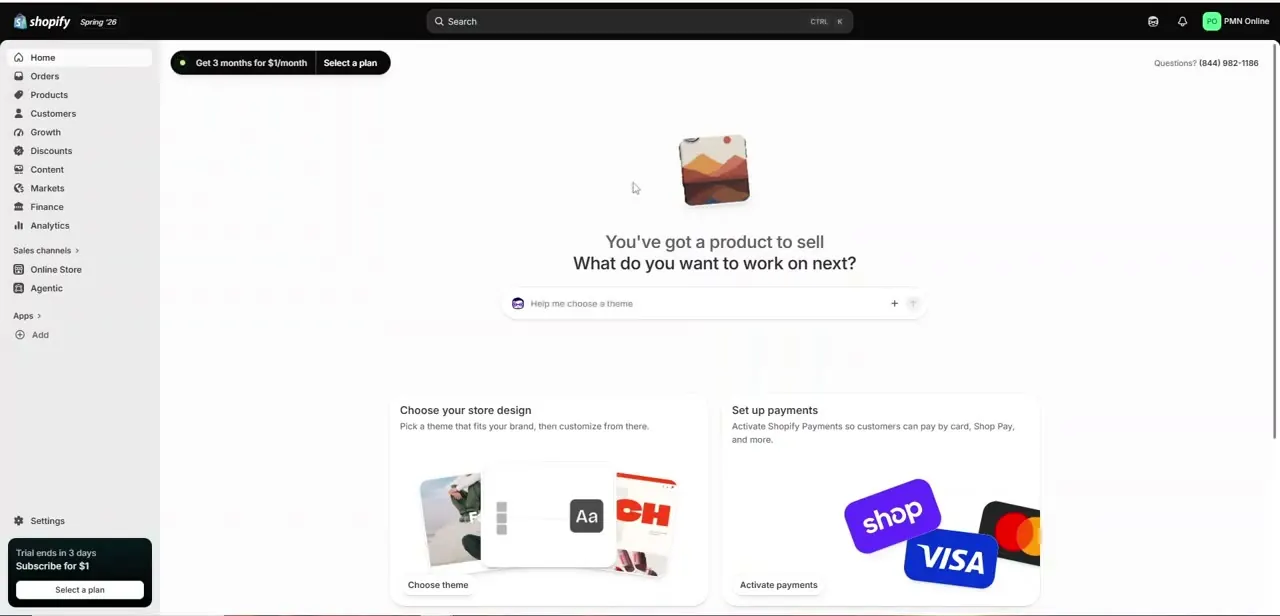
Before adding anything new, look at what's already installed. A fresh or unprotected store's admin shows an empty Apps section under Sales channels, with nothing standing between checkout and fulfillment except Shopify's baseline fraud analysis. That baseline flags some risk on the order page itself, based on signals like address mismatches and unusual purchasing patterns, but it's not built to actively block traffic the way a dedicated fraud app is, so an empty Apps list is your signal that more active protection is worth adding before volume picks up.
03Identify the signs of a fake order
Learn to spot common red flags in order details so you can catch suspicious transactions before they're fulfilled: mismatched billing and shipping addresses, unusually large orders from brand-new accounts, rapid repeat attempts with slightly different card numbers, and orders placed through a VPN from a country you don't normally ship to. None of these alone proves fraud, but two or three stacking on the same order is a strong signal to hold it for review rather than fulfill it automatically. Keep a running note of patterns specific to your store too, since fraud tactics that target one niche don't always look identical in another — a store selling high-value electronics attracts different fraud patterns than one selling low-cost apparel, and your review process should reflect that difference rather than treating every order type as equally at risk.
04Install a fraud-blocking app
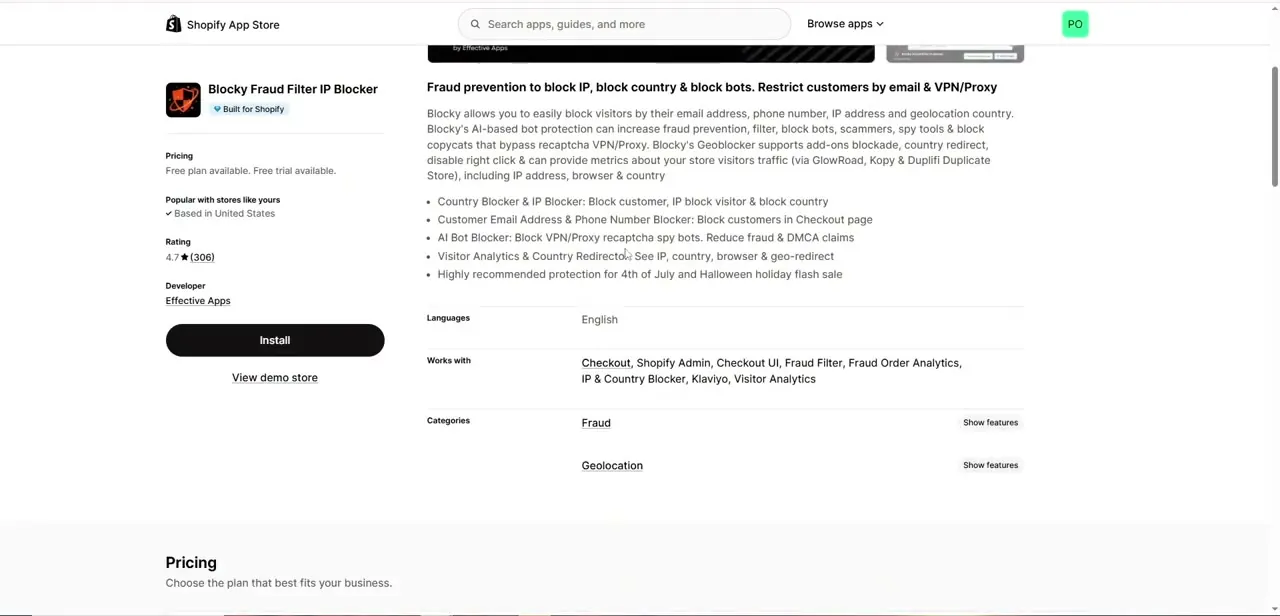
The Shopify App Store carries several dedicated fraud-prevention apps built specifically for this, offering IP and country blocking, email and phone number blocklists, and AI-based bot detection that can filter out scrapers and VPN traffic before they reach checkout. A typical listing shows what it integrates with — checkout, the Shopify Admin, fraud order analytics — plus a free plan to start with, so you can test detection rules against your own order volume before committing to a paid tier. Read the review count and recent ratings before installing, since fraud tactics evolve and an app with stale reviews may not reflect how well it performs against current attacks.
05Configure blocking rules for your store
Once installed, set up rules that match your actual customer base rather than copying a generic template. If you only ship domestically, blocking international IP addresses and VPN traffic removes a large share of fraud attempts immediately. If you sell globally, lean more on email and phone blocklists plus manual review for orders that trip multiple risk signals, so you're not turning away legitimate international customers who simply happen to be traveling or using a work VPN when they check out.
06Review flagged orders before fulfilling
Automation should reduce your manual workload, not eliminate your judgment entirely. Build a habit of checking flagged or held orders daily rather than letting them sit, since a delay in review is often what turns a preventable chargeback into an actual loss — inventory already shipped can't be un-shipped.
Most fraud apps surface these in a dedicated queue rather than mixing them into your normal order list, which makes a quick daily scan realistic even for a small team. When in doubt on a specific order, a quick manual verification call or email to the customer often resolves ambiguity faster than trying to judge intent from data alone, and legitimate customers are generally happy to confirm a large or unusual purchase.
07Reassess your rules after real-world activity
After a few weeks of live data, revisit your blocking rules. If legitimate customers are getting caught in your filters, loosen the specific rule causing it rather than disabling protection broadly.
If a particular fraud pattern keeps slipping through, tighten that one rule instead of rebuilding your whole setup — treating this as an ongoing tuning process works better than a one-time configuration you never touch again, especially as fraud tactics shift with the seasons and your own sales patterns change. Keep a simple log of which rule caught which order, even a basic spreadsheet, so you can see which protections are actually earning their keep versus which ones haven't triggered in months and might be worth loosening.
Frequently asked questions
How can I tell if a Shopify order is fake?
Suspicious orders often show mismatched shipping and billing details, VPN or unexpected-country traffic, or rapid repeat attempts with different cards — which is exactly what a fraud-blocking app is built to flag.
Do I need an app to block fraudulent orders?
Shopify's built-in order-risk analysis catches some basics, but a dedicated fraud app adds active blocking by IP, country, email, and bot detection that the baseline doesn't cover.
Will blocking fake orders affect real customers?
It can if your rules are too broad, so start with the free tier of a fraud app, watch what gets flagged, and tune rules to your actual customer base rather than applying a generic blocklist.
Can AI help reduce fake orders on Shopify?
Yes — AI-based bot detection in modern fraud apps can identify scraper and VPN traffic patterns faster and more consistently than manual review alone.
Are fraud-blocking apps free on Shopify?
Many offer a free plan with core protection, with paid tiers unlocking higher order volume or more advanced rules — check the specific app's pricing before committing.
About the author

Impran M N
I've been hooked on technology for as long as I can remember — especially the new tools and AI apps that seem to land every other week. Easy Tech Tuts is where I write up whatever I've just worked out: I do the task in the real product, record the screen, and turn it into the guide I wish I'd found first.