 Easy Tech Tuts
How to Hide Your Real Name on PayPal Easily 2026
By Impran M N
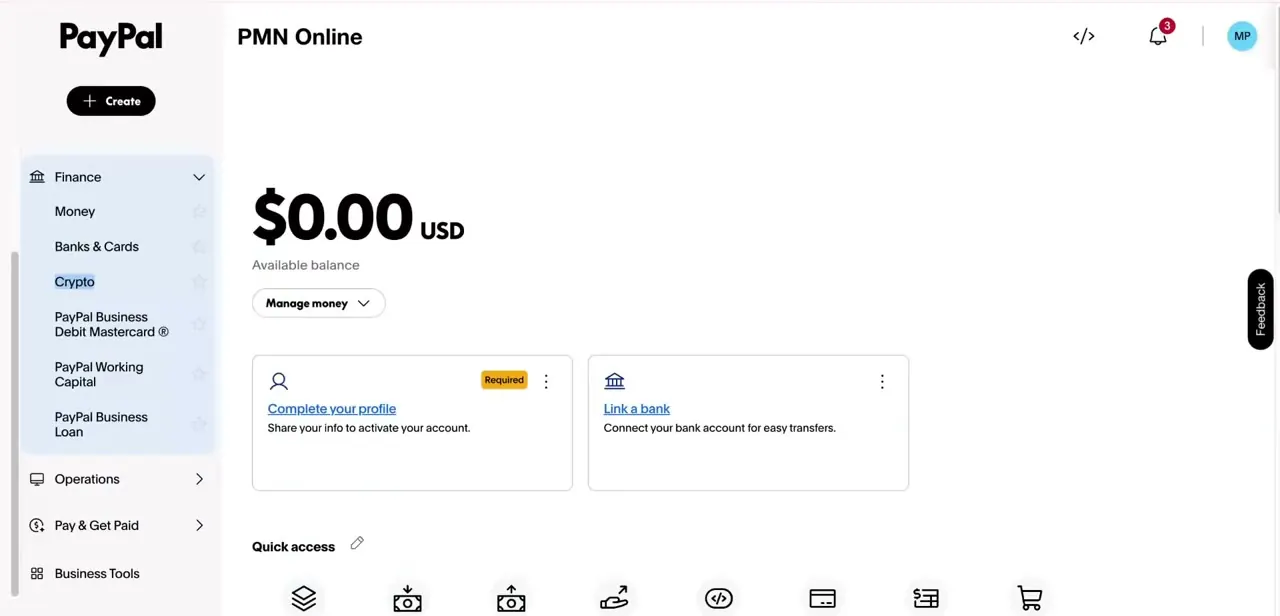
A standard PayPal Personal account shows your real first and last name to anyone you send money to or receive it from — that's part of how PayPal's network verifies identity, and it isn't something a Personal account setting can turn off. The practical way around it is a Business profile, which is built to display a company or brand name at checkout instead of the account holder's legal name. This guide covers where that choice gets made, where your name actually lives in account settings today, and where PayPal's broader privacy controls sit if you want to see everything the account exposes.
01Understand the two account types before you start
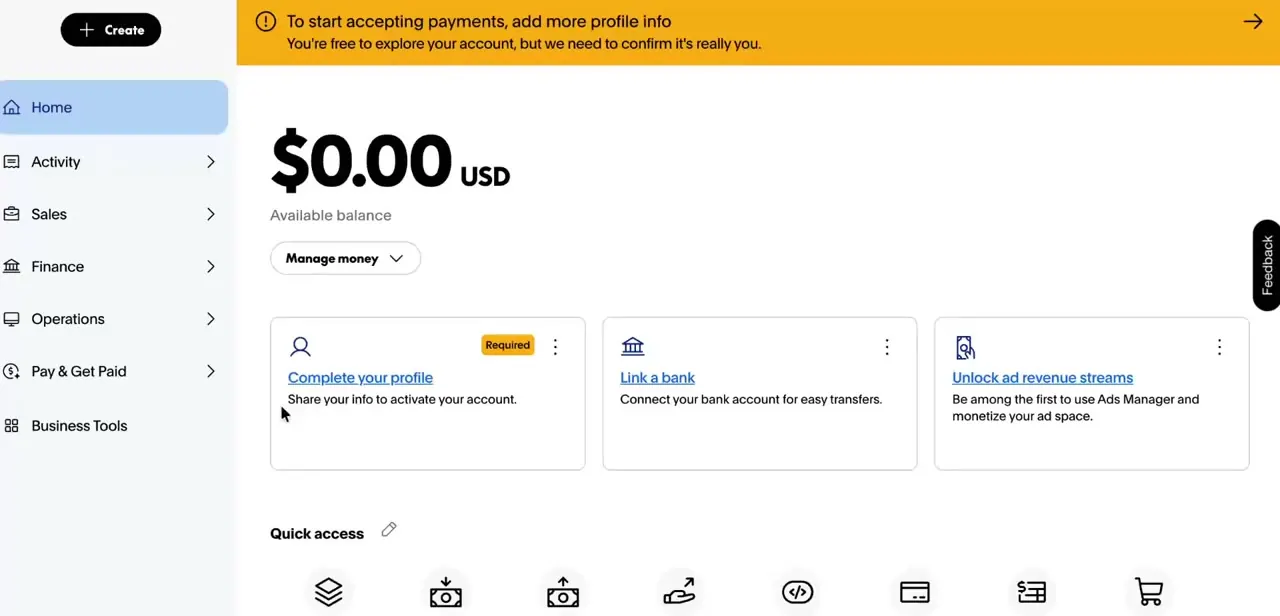
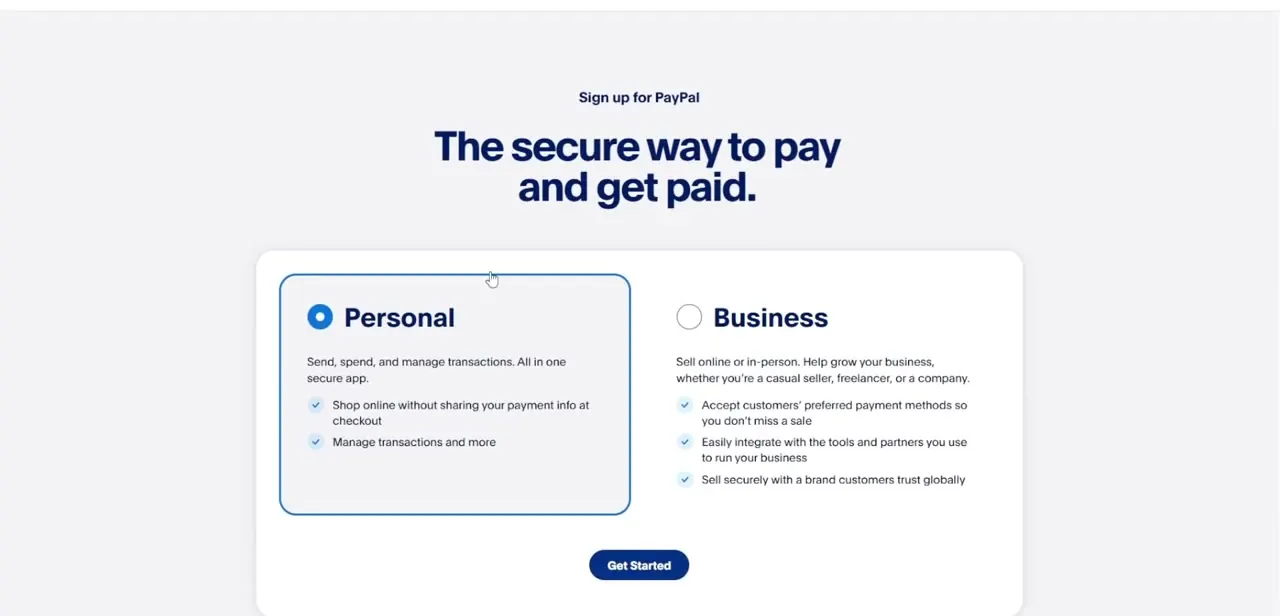
PayPal splits accounts into Personal — for sending, spending, and managing your own transactions — and Business, aimed at anyone selling online or in person, whether that's a casual seller, a freelancer, or a company. This distinction is the whole reason a name-hiding workaround exists: Personal accounts tie directly to your legal identity, while Business accounts are designed around a public-facing brand from the start.
02Check where your name currently lives
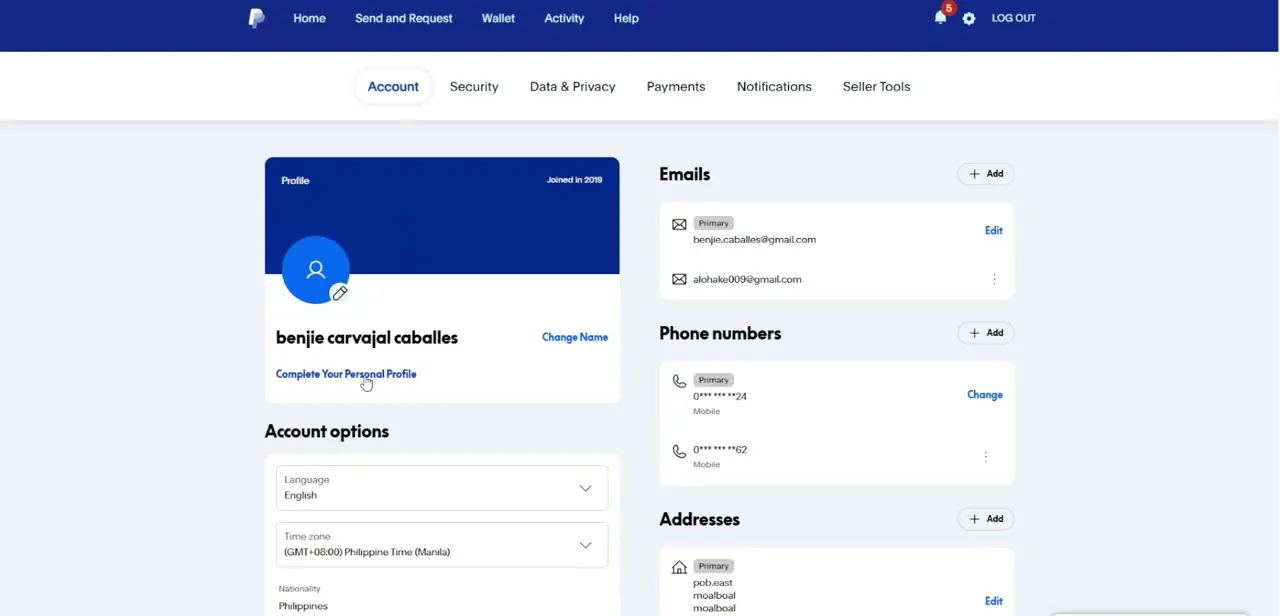
Inside your account, the Account tab under Settings shows your profile exactly as PayPal has it on file — your name next to a Change Name link, along with your emails, phone numbers, and addresses. On a Personal account, that link is for correcting or updating your legal name, not for replacing it with an alias; it's worth opening this page first just to see what's currently stored and visible before you go looking for ways to change what others see.
03Find the rest of your privacy controls
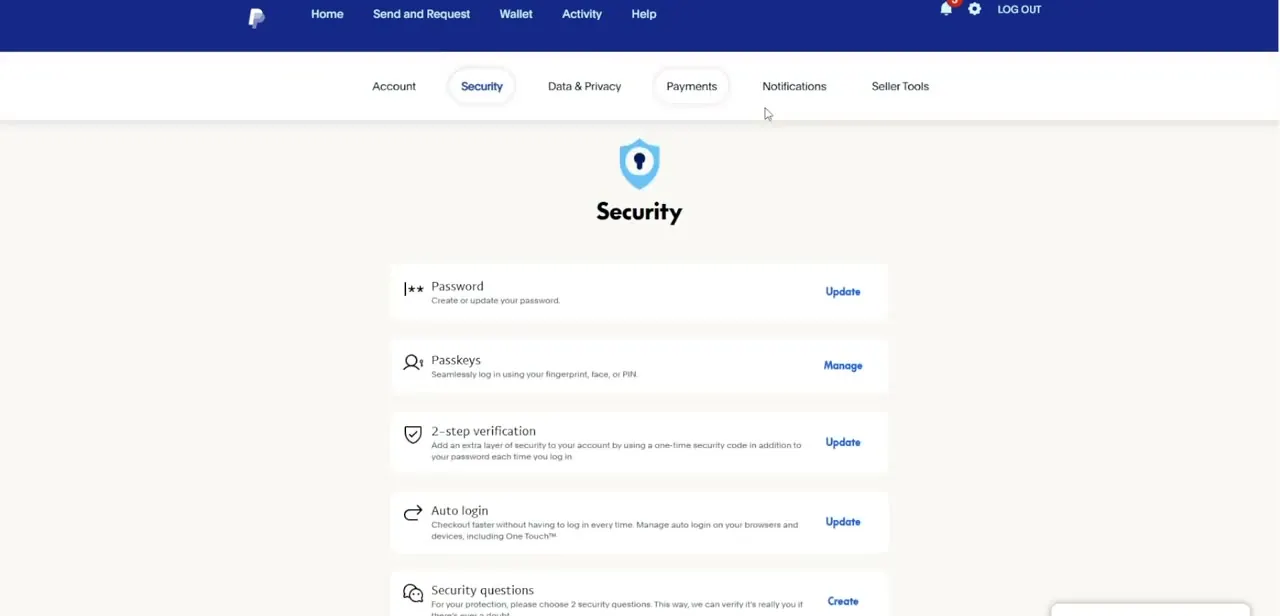
Along the top of Settings, PayPal groups everything into tabs — Account, Security, Data & Privacy, Payments, Notifications, and Seller Tools. Data & Privacy is where PayPal keeps the settings that affect what other people can see or find about you, separate from Security, which covers passwords, passkeys, and 2-step verification. If you're serious about limiting what's visible, this is the tab to work through in full rather than assuming one setting covers everything.
04Upgrade to Business if you want a public alias
To actually replace your legal name with something else at checkout, you need a Business profile rather than a Personal one. Starting the upgrade lets you choose between converting your current account or keeping a separate one for personal transactions, and during setup you'll enter the business or brand name you want counterparties to see instead of your own.
05Review what still shows on the backend
Switching to a Business profile changes what your customers and payment recipients see, not what PayPal itself knows. Your legal name, tax details, and bank account information stay tied to the account for compliance and payout purposes — a business alias is a display layer, not a way to transact fully anonymously, and it's worth setting that expectation correctly before you rely on it.
06Send a small test payment before relying on it
Once your business name is set, send or request a small payment and check the transaction record on both ends. Confirming your brand name is what actually shows — rather than assuming it worked based on the settings screen alone — catches any leftover spots where your legal name might still surface, such as invoice templates you haven't updated yet.
Frequently asked questions
Will switching to a Business account cost anything?
PayPal doesn't charge a signup fee for a Business account, though standard payment processing fees still apply to the transactions you run through it.
Can I switch back to a Personal account later?
PayPal does allow account type changes, but plan ahead — some settings and transaction history may need to be reviewed or reconfigured during the switch.
Does a Business alias hide my identity from PayPal itself?
No. PayPal still holds your legal name and tax details on the backend for compliance purposes; a Business display name only changes what the other party in a transaction sees.
Where do I find PayPal's other privacy settings?
Under Settings, the Data & Privacy tab groups the controls related to what other people can see or find about your account, separate from the Security tab.
Will my bank withdrawals still work with a business alias?
Yes. As long as your linked bank account details match the legal registration on file, withdrawals process normally regardless of what display name customers see.
About the author

Impran M N
I've been hooked on technology for as long as I can remember — especially the new tools and AI apps that seem to land every other week. Easy Tech Tuts is where I write up whatever I've just worked out: I do the task in the real product, record the screen, and turn it into the guide I wish I'd found first.