 Easy Tech Tuts
How to Transfer Domain from Namecheap to GoDaddy 2026 Easily
By Impran M N
Moving a domain between registrars sounds intimidating the first time, but it's really just three unlocks in sequence: unlock the domain at the old registrar, hand the new one an authorization code, and approve a confirmation email. Namecheap to GoDaddy is one of the more common moves, usually driven by GoDaddy's hosting bundles or a promotional transfer price.
The process takes a few days end to end because of a mandatory hold period, and your site and email keep working the entire time since none of this touches your DNS or hosting directly. This guide walks the real screens on both sides — unlocking and pulling the auth code in Namecheap, then starting and paying for the transfer in GoDaddy.
01Start from your Namecheap account
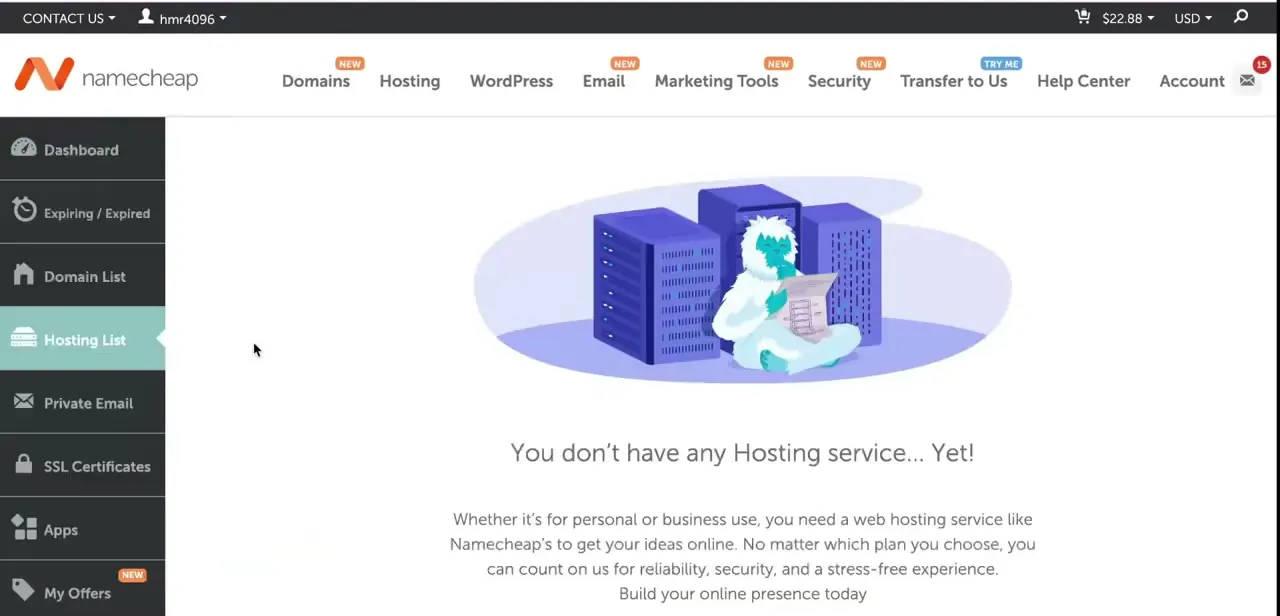
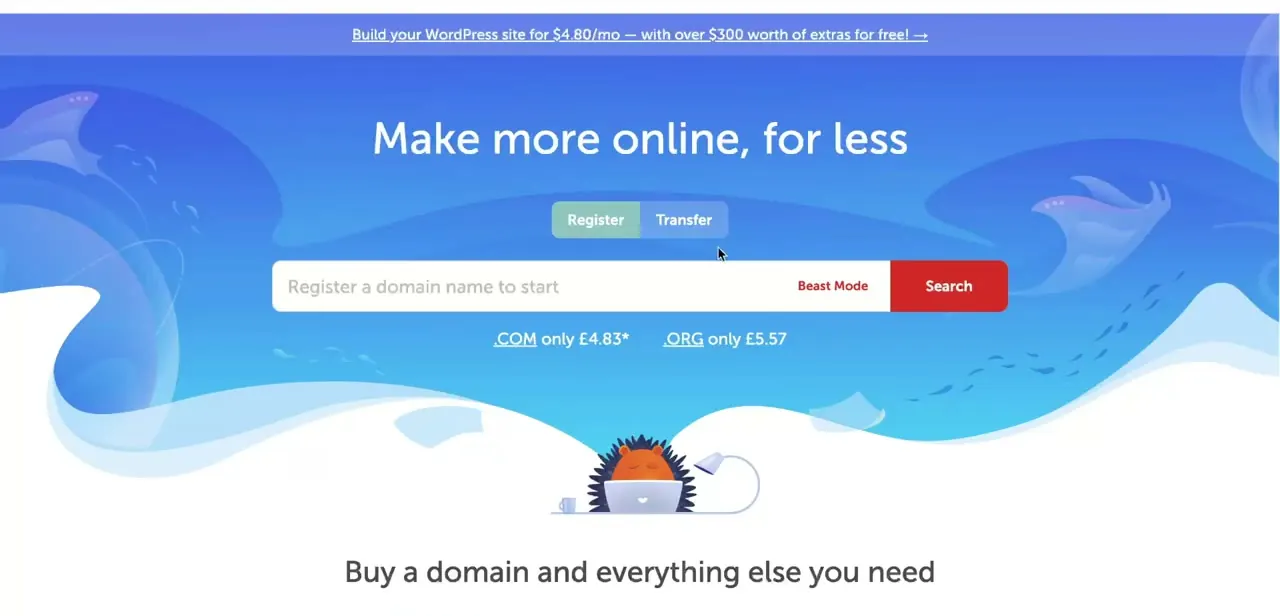
Everything begins on Namecheap's own site, where you manage the domain that's about to move. If you're not sure where to look, the domain's management page is reached from your account dashboard rather than the public homepage, but it's worth knowing the general Namecheap site layout — the Register/Transfer search bar up top, pricing for common TLDs, and the account area — since you'll be jumping between the public site and your logged-in dashboard a few times during this process.
02Turn off Domain Lock and get your Auth Code
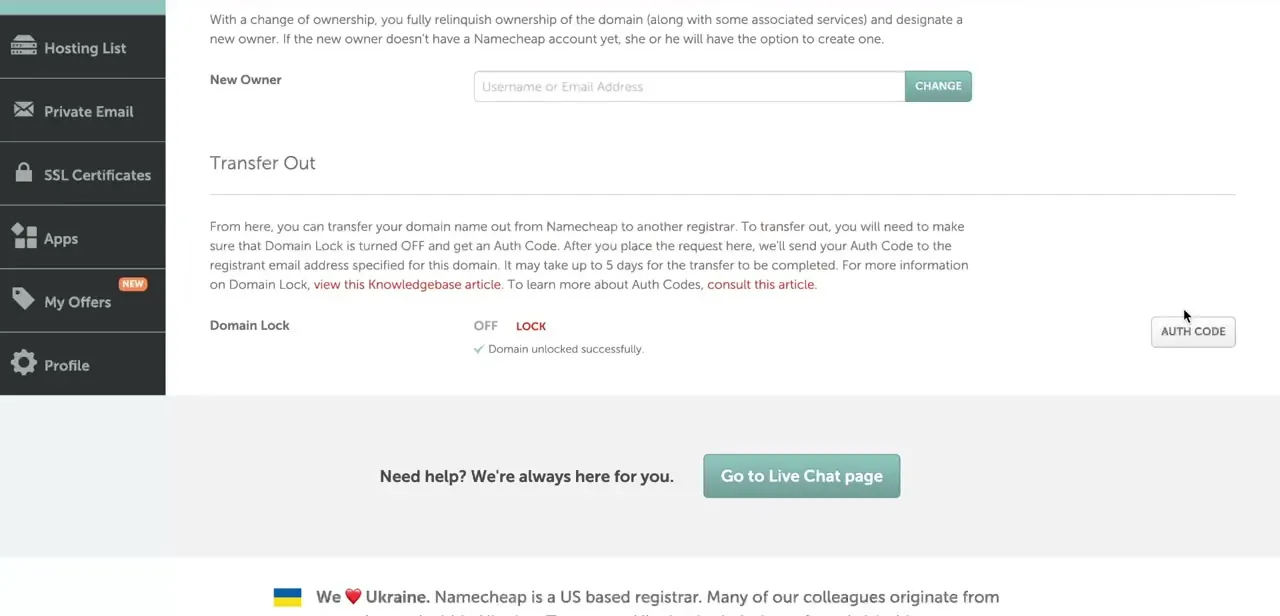
Inside the domain's settings, find the "Transfer Out" section — Namecheap explains right on this screen that you need Domain Lock switched off and an Auth Code in hand before any transfer can proceed. Toggle Domain Lock from ON to OFF and wait for the page to confirm it unlocked successfully; trying to submit an Auth Code request while it's still locked will just fail. Once it's off, click the Auth Code button next to the Transfer Out panel, and Namecheap sends the code to the registrant email address on file for the domain rather than displaying it directly on screen — check that inbox, including spam, if it doesn't show up in a minute or two.
03Expect a short wait before the code arrives
Namecheap's own copy on the Transfer Out screen sets the expectation that unlocking and requesting the code isn't instantaneous — it can take a little time for the lock status to update and for the Auth Code email to land. This is also a reasonable point to double-check the registrant email is one you actually still check, since that's the only place the code goes; if it's an old address, update your contact information in Namecheap before requesting the code rather than after. Save the code somewhere you'll have it handy for the next step, since GoDaddy will ask for it verbatim.
04Start the transfer request in GoDaddy
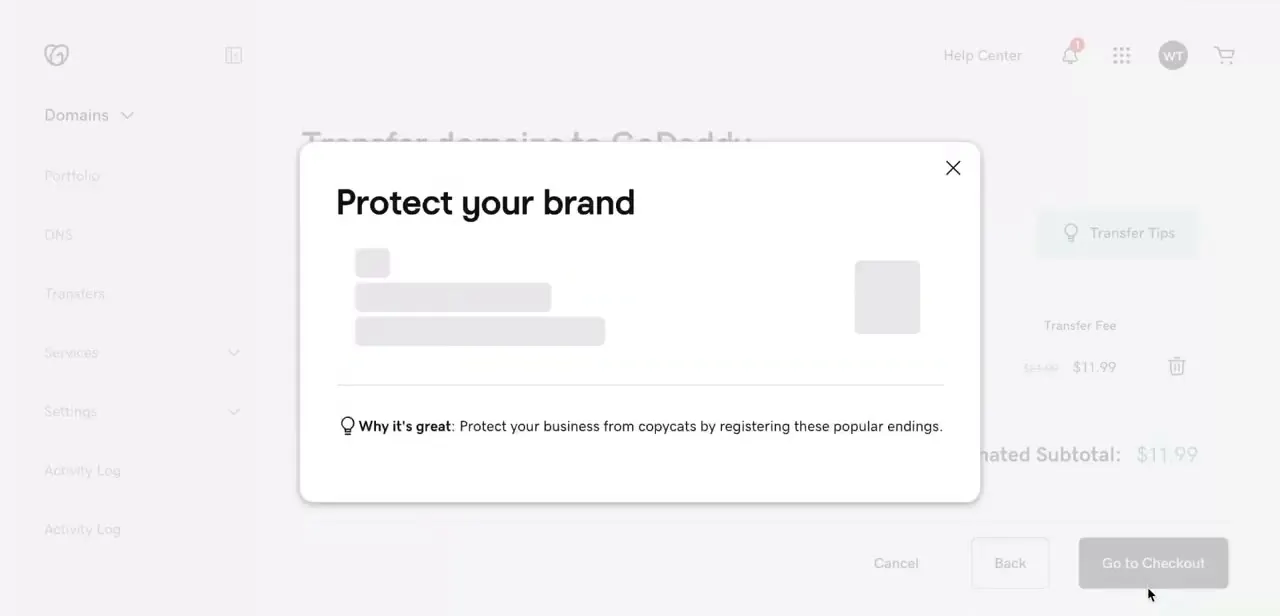
Log in to GoDaddy and begin a domain transfer, entering the domain name and the Auth Code you just pulled from Namecheap. Partway through this flow, GoDaddy typically surfaces an upsell screen — in this case a "Protect your brand" prompt suggesting you also register related domain endings to stop copycats from grabbing them. It's entirely optional and unrelated to whether your core transfer succeeds, so skip it unless you actually want the extra domains, and continue on to your order summary.
05Pay the transfer fee at checkout
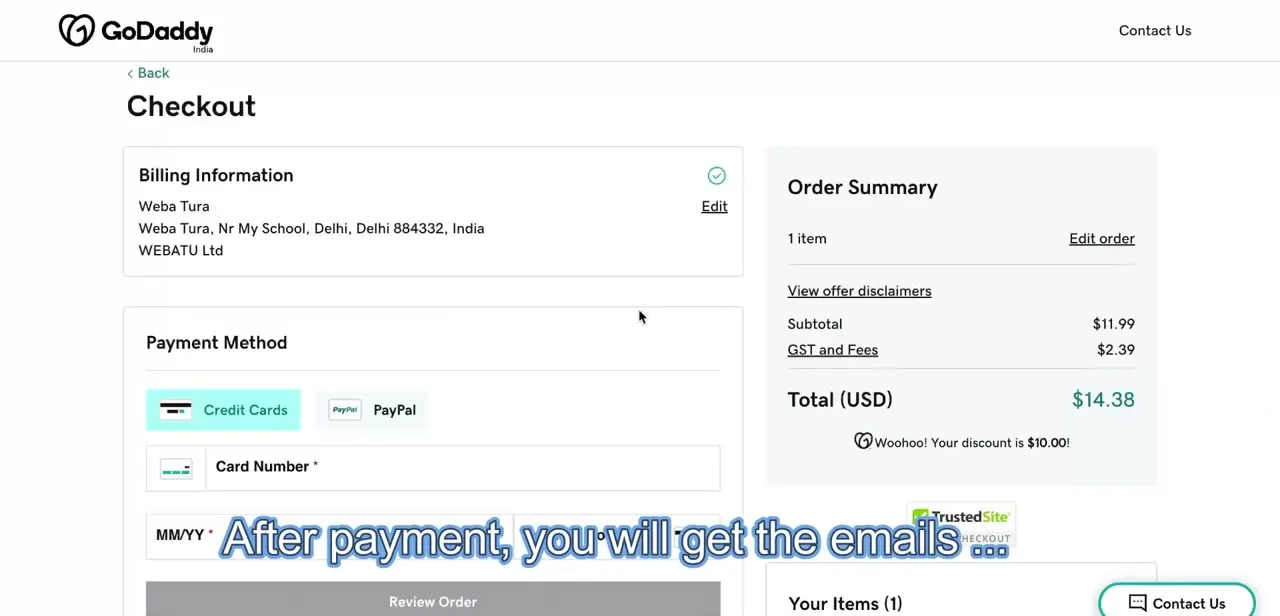
GoDaddy's checkout for a transfer looks like any other purchase there — billing information, a payment method (card or PayPal), and an order summary breaking the transfer fee down with tax or GST added on top. This fee is standard across registrars and is usually comparable to a one-year renewal, since most transfers also extend the domain's registration by a year as part of the process. Review the order summary for the domain name and total before submitting payment, since this is the point where the transfer request is officially placed.
06Approve the transfer and watch the status
After checkout, GoDaddy sends a confirmation request that you'll need to approve — usually by email — before the transfer actually starts moving. From there it's a waiting game: transfers commonly take up to five to seven days to complete because of the mandatory hold period registrars use to prevent unauthorized transfers, and you can check progress from GoDaddy's transfer status page in the meantime. Your website and email keep working normally throughout, since a registrar transfer only changes who manages the domain record, not where it's hosted or where mail is delivered.
Frequently asked questions
Can I transfer a domain right after registering it?
No — most registrars, including Namecheap, require a domain to have been registered (or last transferred) for a minimum period, commonly 60 days, before it's eligible to transfer out.
What happens if I don't approve the transfer email in time?
The transfer request can expire or stall, so check the inbox tied to the domain and approve it promptly once GoDaddy sends the confirmation.
Does transferring change my domain's expiration date?
Usually yes — most registrar transfers, including this one, add a year to the domain's registration as part of the transfer fee, though the exact terms can vary.
Is there a cost to transfer a domain to GoDaddy?
Yes — transfers involve a fee shown at checkout, similar to a renewal cost, and it's charged whether or not GoDaddy is running a transfer promotion at the time.
Will my website or email go down during the transfer?
No — a domain transfer only changes which registrar manages the domain record. As long as you don't also change your DNS or hosting at the same time, your site and email keep working throughout.
About the author

Impran M N
I've been hooked on technology for as long as I can remember — especially the new tools and AI apps that seem to land every other week. Easy Tech Tuts is where I write up whatever I've just worked out: I do the task in the real product, record the screen, and turn it into the guide I wish I'd found first.