 Easy Tech Tuts
How to Move Ticket to Backlog in Jira Easily 2026
By Impran M N
Not every ticket that lands in a sprint belongs there for the full sprint — priorities shift, scope gets cut, and sometimes a story just isn't ready to be worked yet. Jira makes it simple to send an issue back to the backlog rather than leaving it stuck in a sprint it'll never get done in, but the option is tucked into menus that aren't obvious if you've only ever dragged cards between board columns. This guide covers where tickets live on the board, how to move one out of an active sprint, and when pulling something back to the backlog is actually the right call versus just reprioritizing it in place.
01Open your project's board
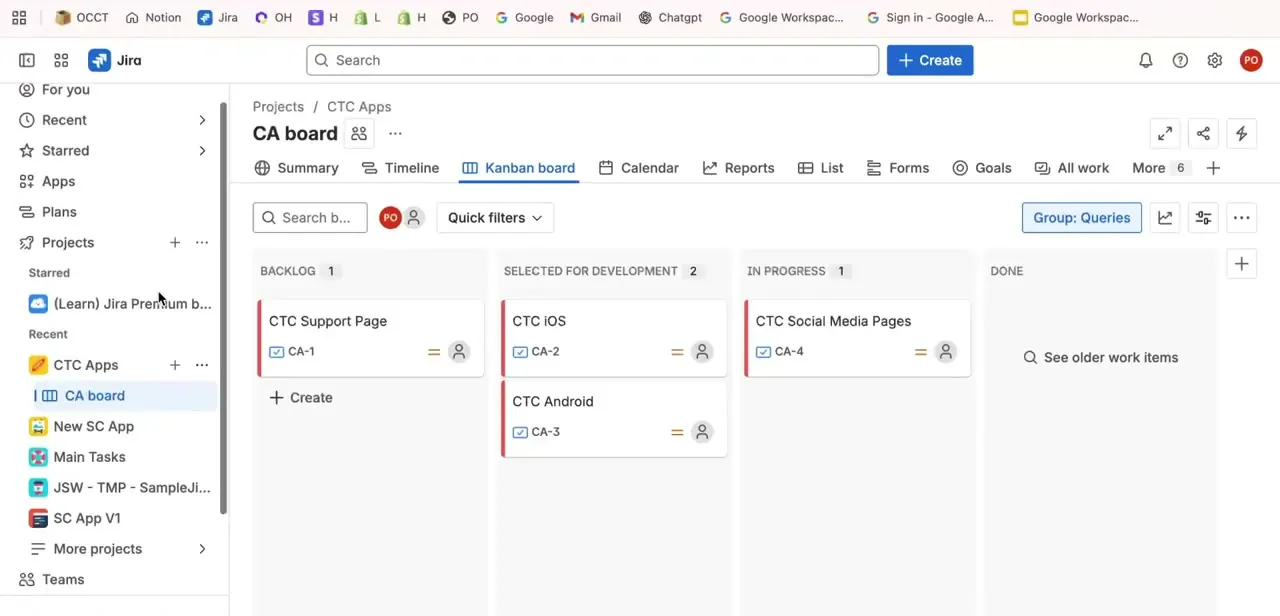
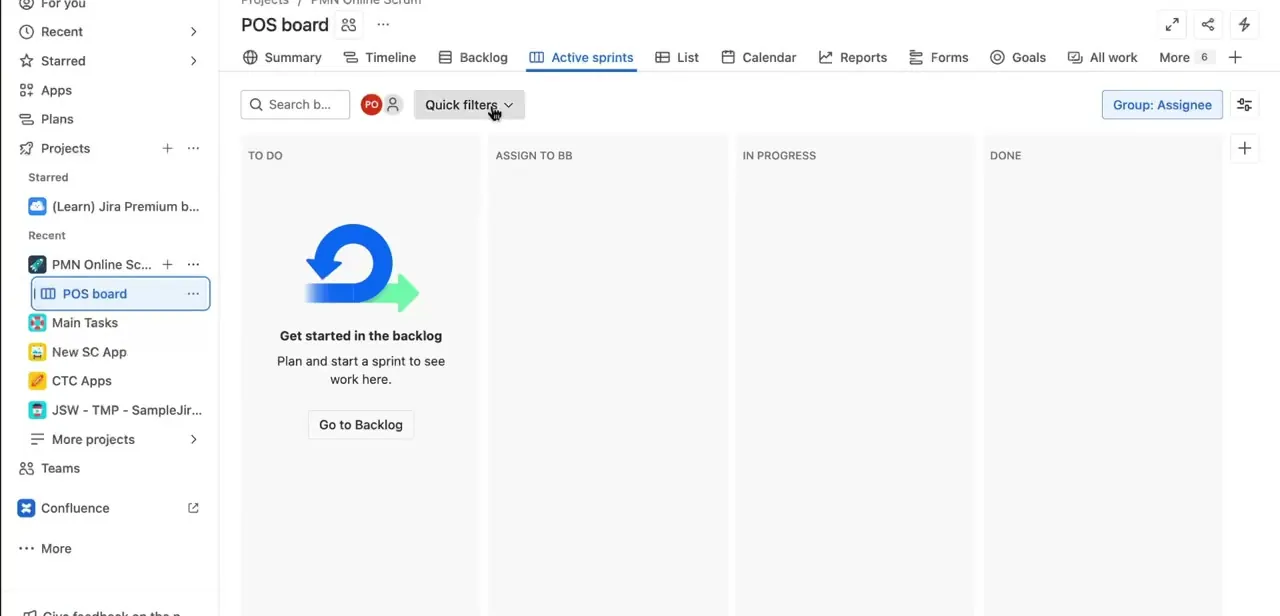
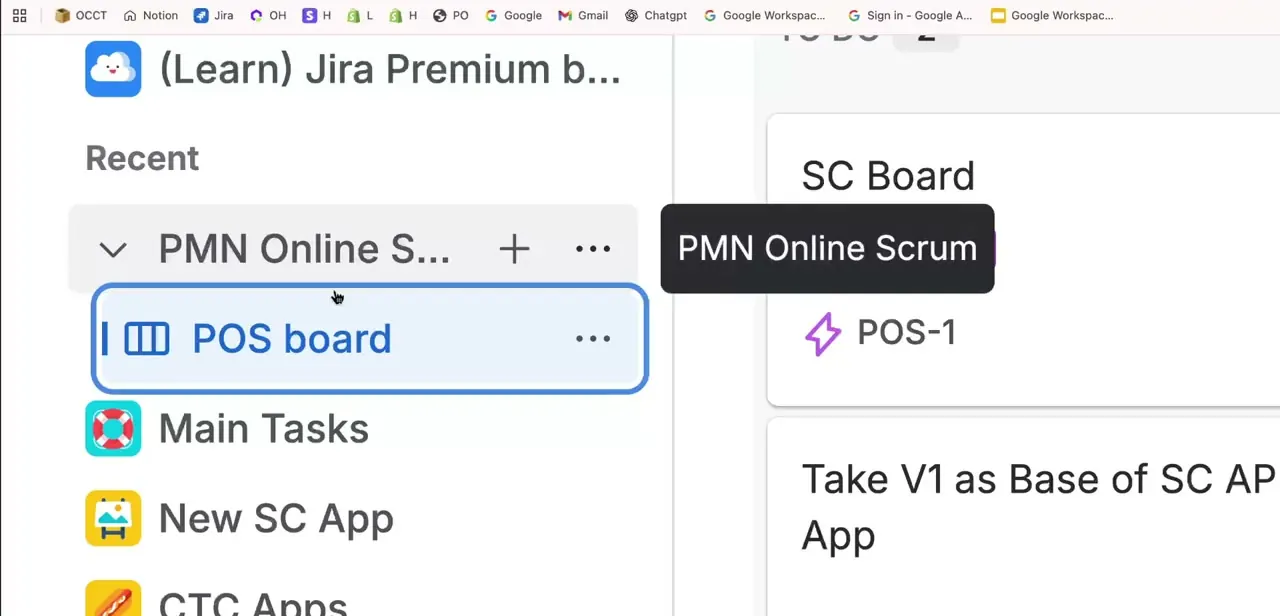
From the Jira sidebar, select your project and open its board — in a scrum project, you'll land on a board with tabs for Summary, Timeline, Backlog, and Active sprints along the top. Navigating here through the project switcher shows a preview of the board's sprints and top issues before you fully open it, which is a fast way to confirm you're in the right project when you manage more than one.
02Go to the Backlog tab and find the ticket
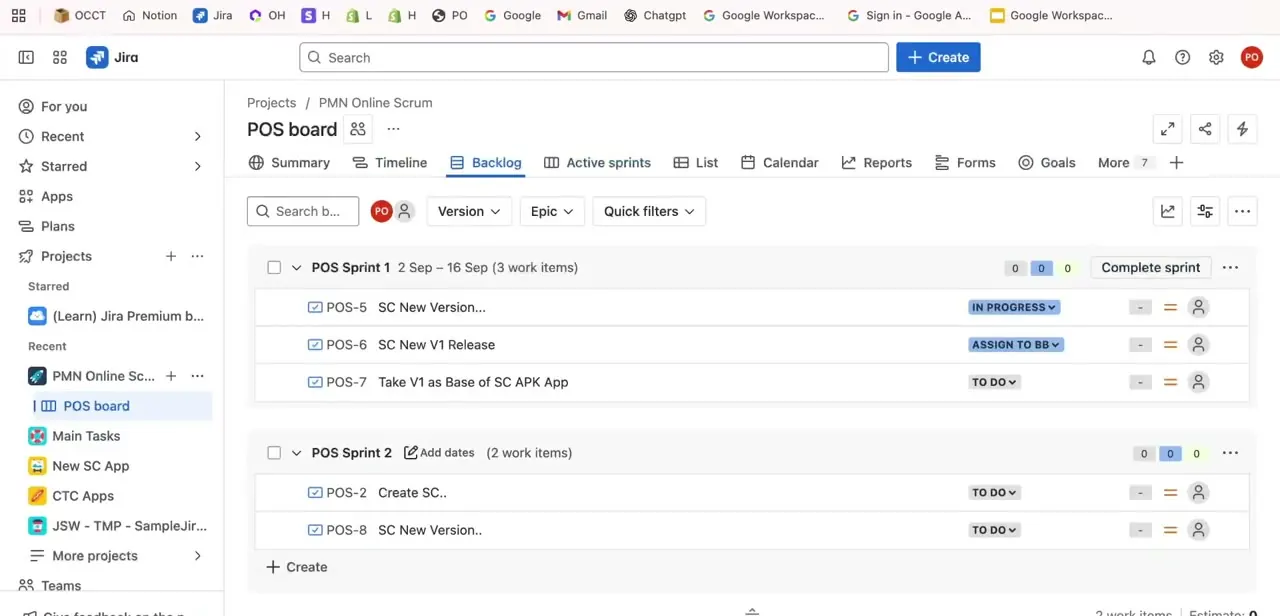
Click the Backlog tab to see your sprints laid out with their issues underneath, each sprint showing its date range and a running count of work items and status. Active sprints appear at the top with a Complete sprint button, while unstarted sprints sit below. Locate the ticket you want to move — it's easiest to search by its key (like POS-6) using the search bar above the list if the sprint has more than a handful of items.
03Open the ticket and use the more-actions menu
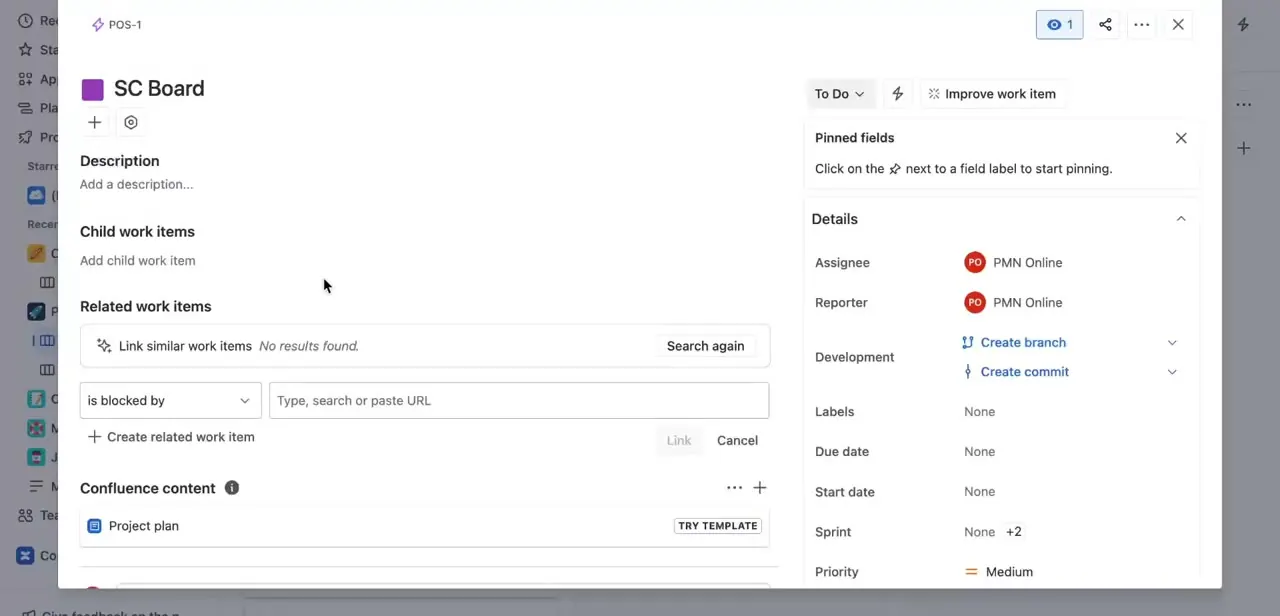
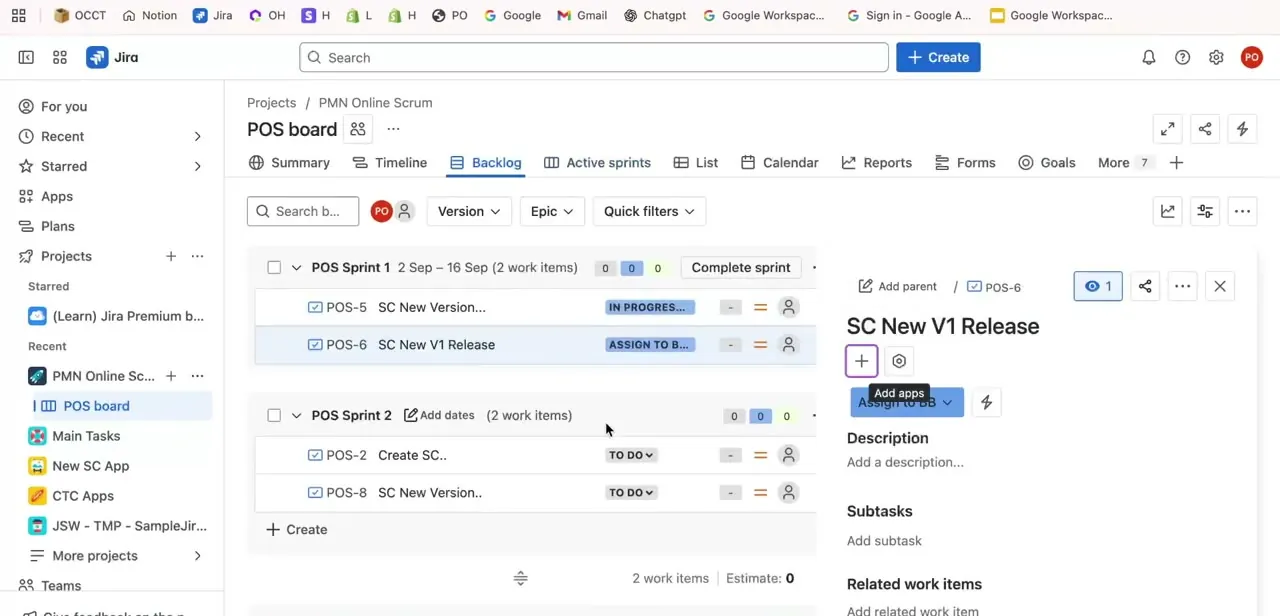
Click directly on the ticket to open its detail panel on the right side of the screen, without leaving the board. From here, the three-dot more-actions menu near the top of the panel is where the move option lives — selecting it and choosing Move to Backlog pulls the ticket out of whatever sprint it's currently assigned to and drops it into the unscheduled backlog list, with its status and any subtasks intact.
04Alternative: drag the ticket directly on the board
If you'd rather not open the detail panel, you can drag a ticket's row from its sprint section down into the backlog section beneath it, which is faster when you're clearing out several items from a sprint that's about to close. Both routes produce the same result — the ticket loses its sprint assignment and returns to unscheduled backlog — so pick whichever fits how you're already working the board.
05Know when to actually move something back
Move a ticket to the backlog when it genuinely isn't ready — blocked on a dependency, missing acceptance criteria, or deprioritized for this sprint — rather than as a way to avoid dealing with a stalled item. If the work is still relevant to the current sprint but stuck, it's often better to flag it and discuss it in standup than to quietly pull it out, since backlog items can sit unaddressed for a long time once removed from active focus.
06Groom the backlog regularly
A ticket sent back to the backlog isn't done being managed — it needs periodic grooming, meaning your team reviews backlog items, re-prioritizes them, and either schedules them into a future sprint or closes them out if they're no longer relevant. Skipping this step is how backlogs balloon into hundreds of stale, half-detailed tickets nobody trusts, which defeats the purpose of having moved them there for later attention in the first place.
Frequently asked questions
Does moving a ticket to the backlog delete its progress or comments?
No. The ticket keeps its full history, comments, subtasks, and status — moving it to the backlog only removes its sprint assignment, nothing else about the issue changes.
Can I move multiple tickets to the backlog at once?
Yes — select multiple tickets in the sprint view using the checkboxes, then use the bulk actions option to move them all to the backlog together instead of one at a time.
What's the difference between the backlog and an active sprint?
An active sprint is a time-boxed set of work your team has committed to for the current cycle. The backlog is everything else — unscheduled, unprioritized, or deprioritized work waiting to be pulled into a future sprint.
Will moving a ticket back to the backlog affect sprint reports?
It can. If a ticket is pulled from an active sprint before it's completed, most sprint reports will flag it as removed from the sprint, which is different from being completed or carried over — worth noting if you track scope-change metrics.
Should I move a blocked ticket to the backlog or just flag it?
If the block will likely resolve within the current sprint, flag it and keep it visible. If it's fundamentally not workable this cycle — waiting on another team, unclear requirements — move it to the backlog so it doesn't skew your sprint's completion numbers.
About the author

Impran M N
I've been hooked on technology for as long as I can remember — especially the new tools and AI apps that seem to land every other week. Easy Tech Tuts is where I write up whatever I've just worked out: I do the task in the real product, record the screen, and turn it into the guide I wish I'd found first.