 Easy Tech Tuts
How to Create a Scrum Board in Jira
By Impran M N
A Scrum board gives a team a shared view of sprints — what's planned, what's in progress, and what's shipped — pulled straight from the backlog. In Jira, a new board isn't a separate top-level object you hunt for in a menu; it's created from inside a space's existing backlog, in a short dialog that asks for a name and what should feed into it. This guide walks through that flow using a real space's backlog, from opening the create dialog to seeing what a populated Scrum backlog looks like once sprints are underway.
01See what a working Scrum backlog looks like
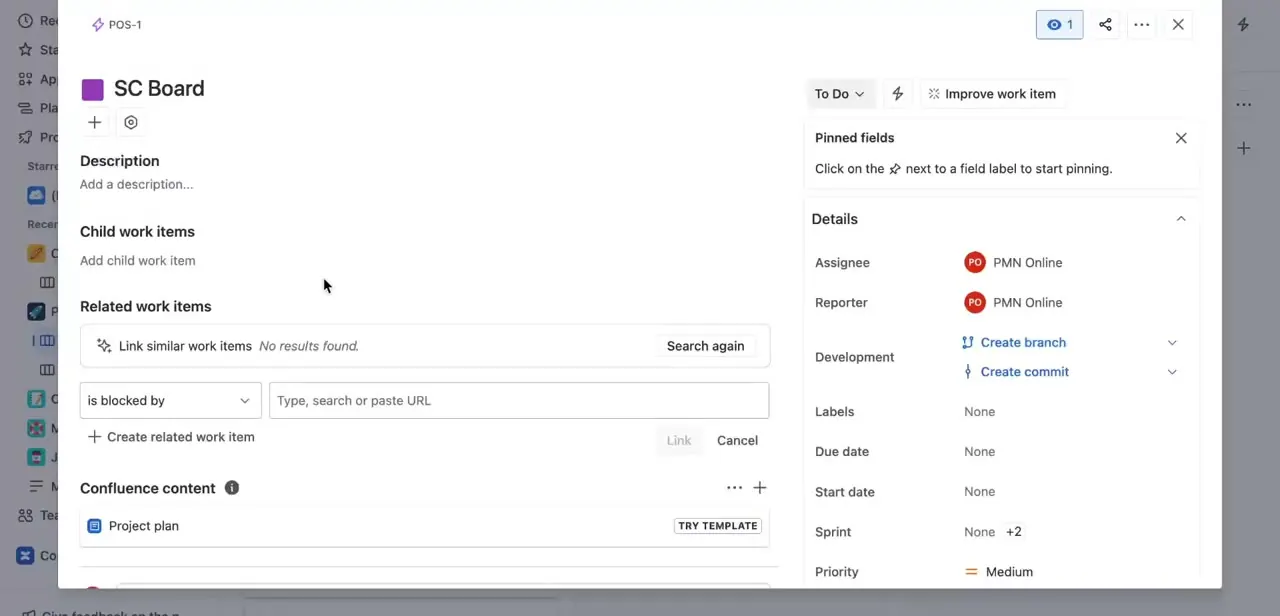
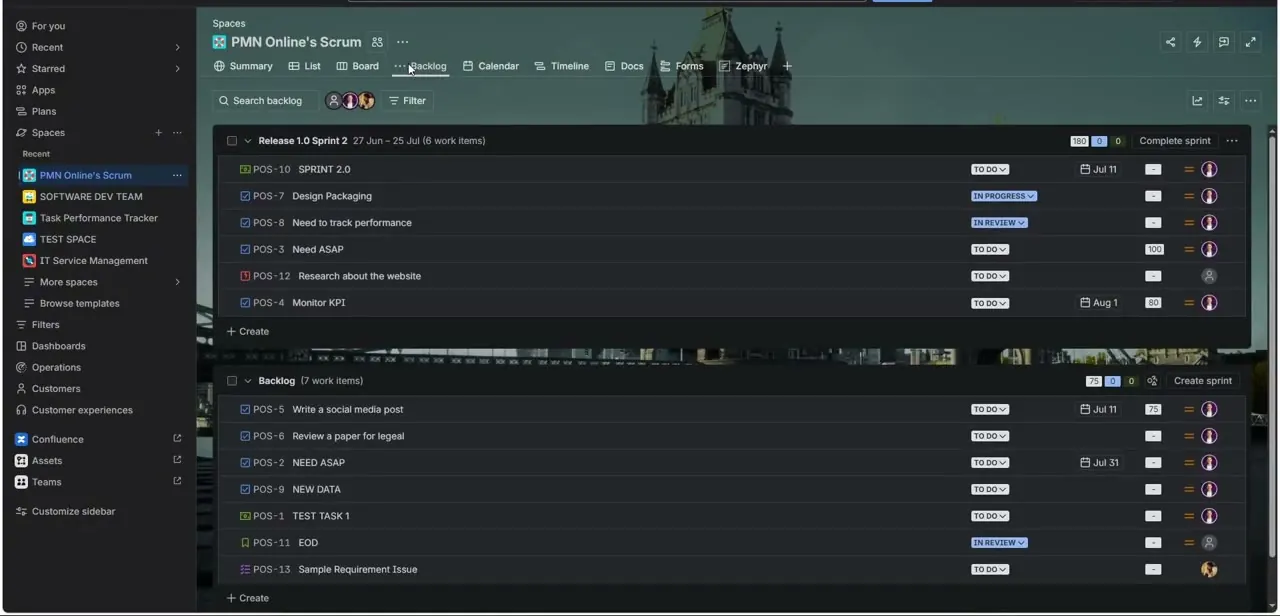
Before building one, it helps to look at an established example. A space like "PMN Online's Scrum" shows the pattern clearly: an active sprint at the top (Release 1.0 Sprint 2, dated 27 Jun – 25 Jul) listing its six work items with statuses like To Do, In Progress, and In Review, and a separate Backlog section below holding items not yet pulled into a sprint. This is the structure a Scrum board is built to support — a defined sprint window sitting above an unscheduled backlog.
02Open the space where you want the board
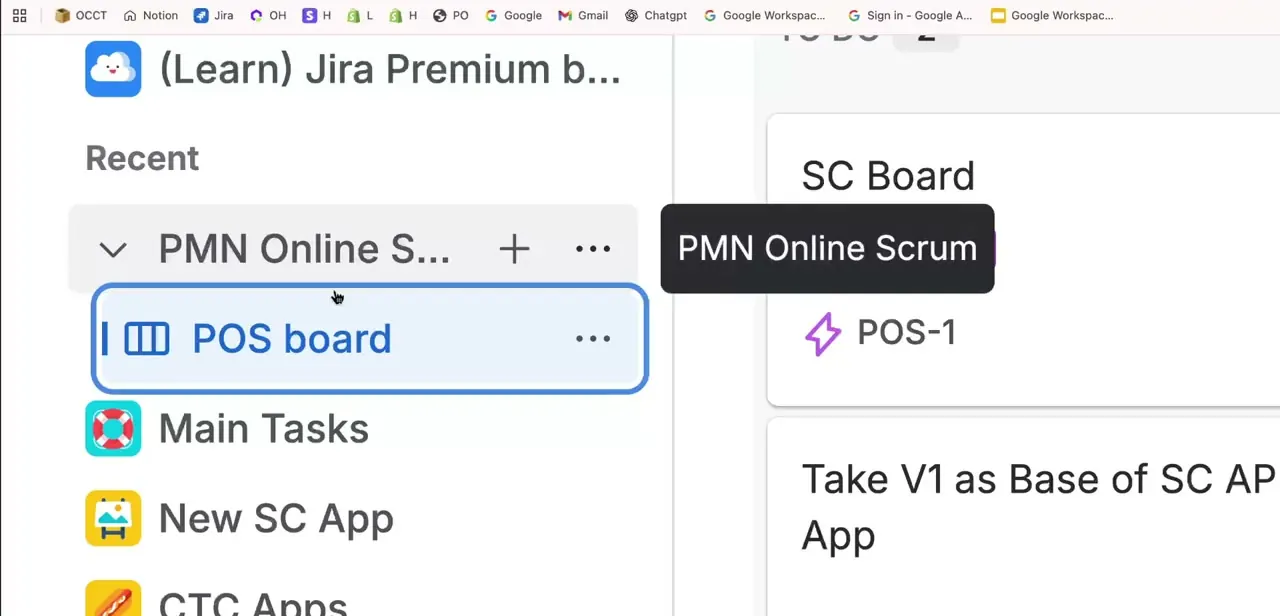
From the left sidebar under Spaces, open the space you're setting the board up in — for example, a space called TEST SPACE. Inside it you'll find its existing boards listed underneath, such as a "TS board." Rather than creating a board from a blank slate, you typically create it alongside a space's existing backlog and board list.
03Start the board creation dialog
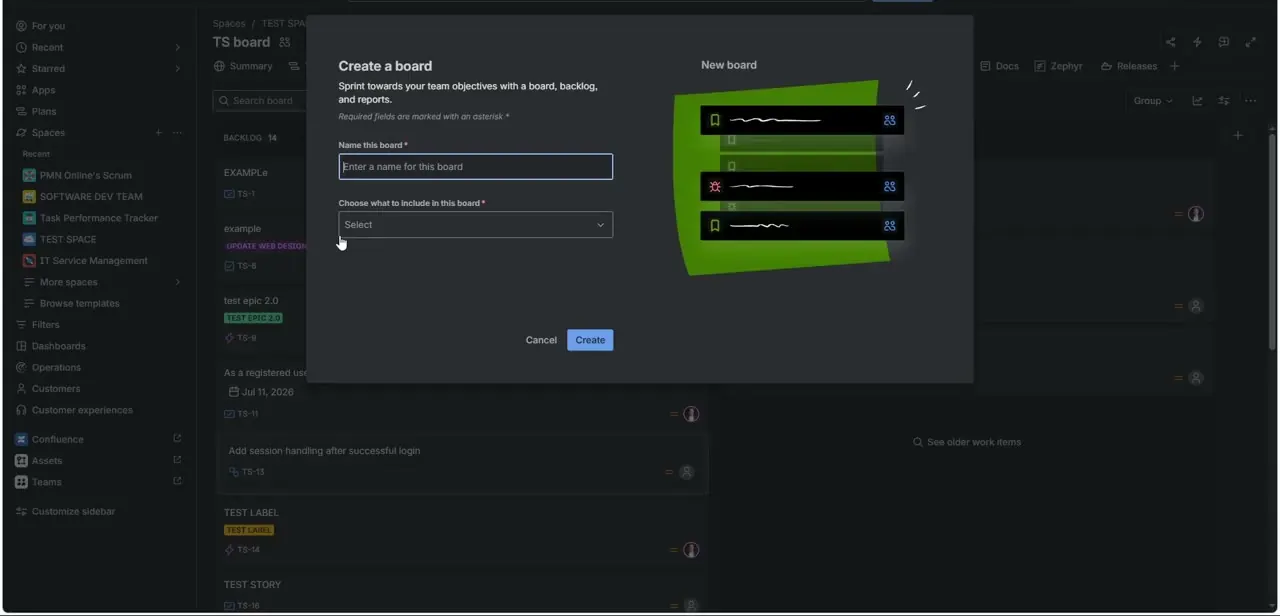
From within the space's backlog view, use the add action (the + control near the board list) to open the "Create a board" dialog. It's a short form: a required Name this board field, and a required "Choose what to include in this board" dropdown that determines which work items the new board will actually pull in.
04Name the board and set what it includes
Give the board a name your team will recognize at a glance — something tied to the sprint cadence or the team itself rather than something generic. Then use the include dropdown to scope the board to the right set of work items; getting this wrong is the most common reason a freshly created board looks empty or shows unrelated issues, so double-check the selection before clicking Create.
05Create the board and confirm it appears
Click Create, and the new board should appear in the space's board list in the sidebar alongside any others. Open it once to confirm it's showing the work items you expected — if it's empty, the include setting from the previous step is the first thing to revisit rather than assuming something broke.
06Populate the backlog before your first sprint
A Scrum board is only useful once its backlog has real work items in it. Add the issues your team plans to tackle, prioritize them by dragging them into order, and make sure each has enough detail — a clear title and any relevant labels or story points — that whoever picks it up during the sprint doesn't need to ask what it means.
07Start your first sprint from the backlog
With the backlog populated, select the items for your first sprint and start it, the same way the sprint at the top of the PMN Online's Scrum example is dated and scoped to six work items. Once started, those items move onto the active board where the team drags them across statuses as work progresses, giving everyone a live view of where the sprint stands.
Frequently asked questions
What's the difference between a Scrum board and a Kanban board in Jira?
A Scrum board is built around fixed-length sprints pulled from a backlog, while a Kanban board shows continuous flow without sprint boundaries. Jira's board list can hold both types side by side within the same space.
Where do I actually create a new board?
From inside a space, using the create action near the board list, which opens a dialog asking for a board name and what work items to include.
Why is my new board showing no work items?
Check the "Choose what to include in this board" setting from creation — an incorrect scope here is the most common reason a board looks empty right after being created.
Do I need issues in the backlog before starting a sprint?
Yes. A sprint pulls from backlog issues, so populate and prioritize the backlog before starting your first sprint.
Can multiple teams share the same Scrum board?
It's possible by scoping one board to include work from multiple teams, but most teams find a dedicated board per team keeps sprint planning and reporting cleaner.
About the author

Impran M N
I've been hooked on technology for as long as I can remember — especially the new tools and AI apps that seem to land every other week. Easy Tech Tuts is where I write up whatever I've just worked out: I do the task in the real product, record the screen, and turn it into the guide I wish I'd found first.