 Easy Tech Tuts
How to View Instagram Professional Dashboard, Enable it & Meaning 2025
By Impran M N
The Professional Dashboard is Instagram's control room for anyone running a Creator or Business account — it's where your reach numbers, your growth tools and your monetization settings all live in one scrolling panel. Most people never open it, either because they don't realise it exists or because they tapped it once, saw a wall of links, and backed out.
This guide shows you exactly where the entry point sits on your profile, walks through what each block of the dashboard actually reports, and then follows the path to the payout setup so ad earnings can be deposited without you chasing them. By the end you'll know what the dashboard means, not just where it is.
01Switch to a Creator or Business account first
The Professional Dashboard only exists on professional accounts — if you're on a standard personal profile there is nothing to open. Go to your profile, tap the menu icon in the top right, open Settings, and look for the option to switch to a professional account.
Creator suits individuals posting their own content; Business suits shops, brands and anyone who wants contact buttons and shop features. The switch is free, takes under a minute, and is reversible, so it isn't a decision worth agonising over. Everything else in this guide assumes the switch is done.
02Find the dashboard link on your profile
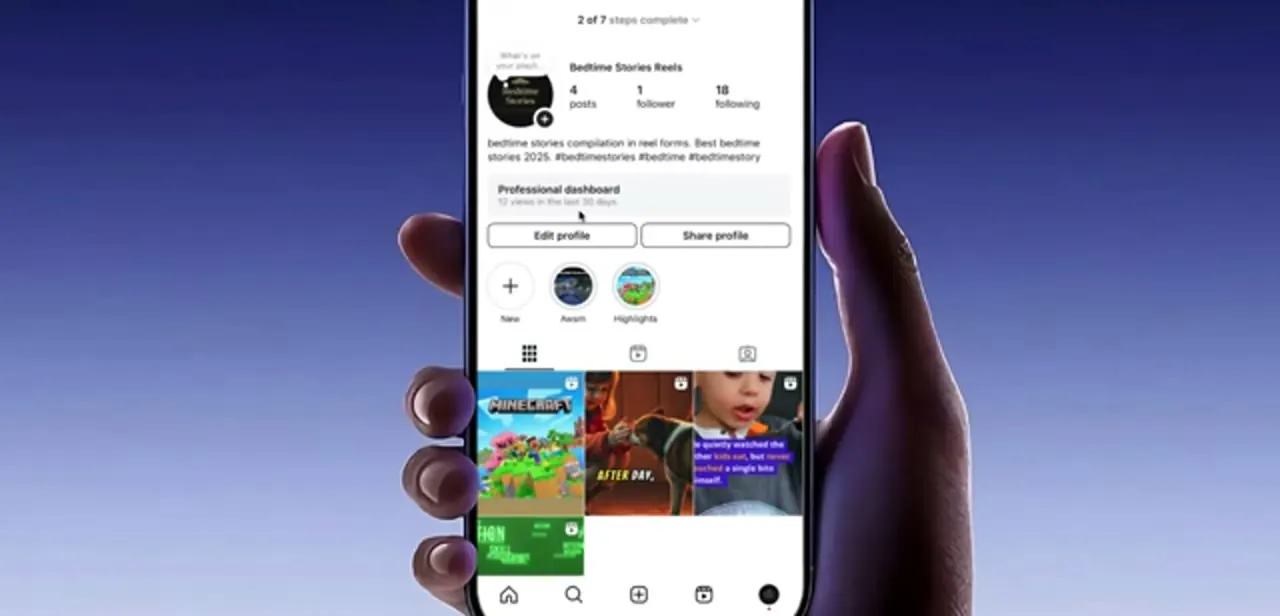
Tap the profile icon in the bottom-right corner to land on your own profile. Directly under your bio you'll see a wide grey strip labelled Professional dashboard with a line of summary text underneath — something like "12 views in the last 30 days." That strip is the entry point, and it sits above the Edit profile and Share profile buttons, which is why people scrolling fast tend to miss it.
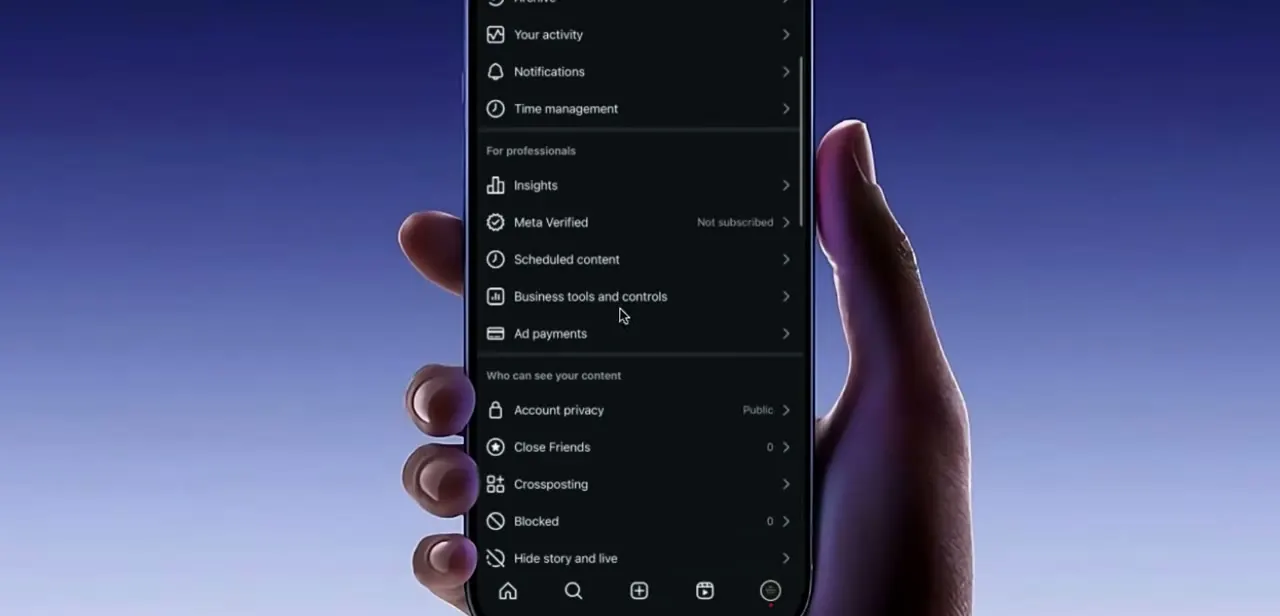
You can also reach the same place through the menu icon in the top right and then Professional Dashboard. Either route opens the same screen.
03Read what the dashboard is actually telling you
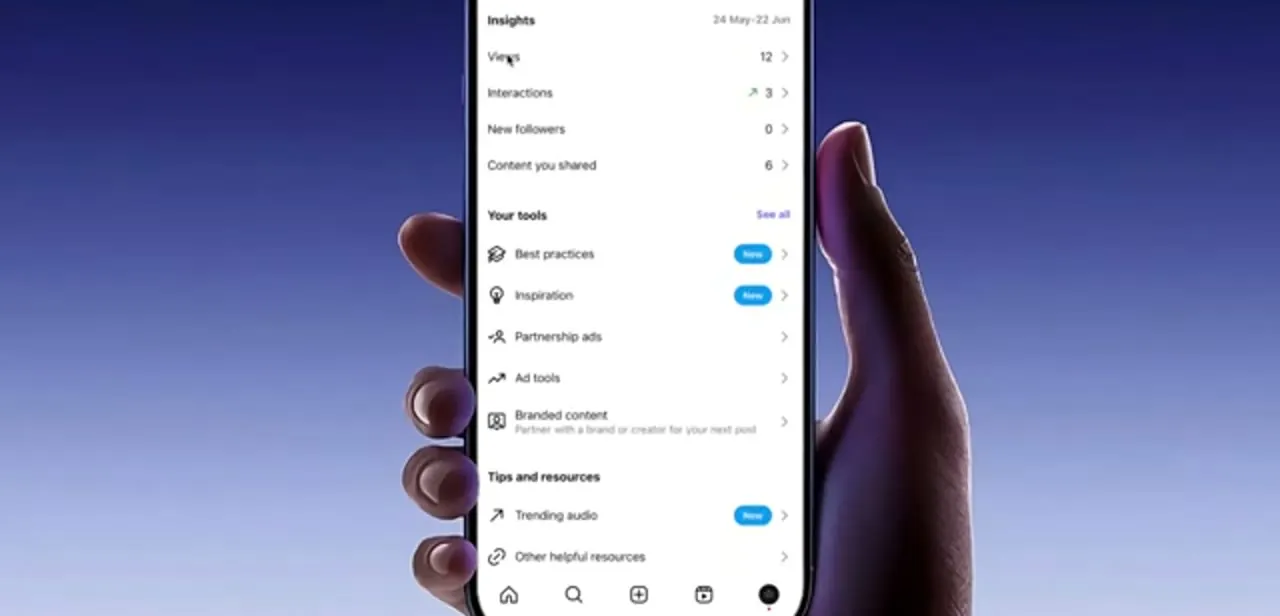
The top block is Insights, with a date range in the corner and four rows beneath it: Views, Interactions, New followers and Content you shared. Views counts how many times your content appeared on screens, Interactions covers likes, comments, saves and shares, and a small green arrow next to a number means it's up on the previous period.
Tapping any row drills into a fuller breakdown by content type and audience. Below that is Your tools, which collects Best practices, Inspiration, Partnership ads, Ad tools and Branded content — the last two are the ones that matter if you plan to earn from the account. A Tips and resources section at the bottom holds Trending audio and other helpful resources.
04Open payout setup from inside the dashboard
Scroll the dashboard down past the tools and look for Set Up Payout Account. This is the piece most creators are really after when they go hunting for the dashboard, and it's easy to walk past because it sits below the more visually prominent tool tiles.
If you can't find it there, the alternative route is Settings, then your Business or Creator section, then Monetization, then Payouts — same destination, different door. Availability varies by country and by whether your account meets Instagram's eligibility rules, so if the option genuinely isn't present, that's usually eligibility rather than a missing setting.
05Log in with Facebook when prompted
Payouts run through Meta's shared account system rather than Instagram alone, so at some point in the flow you'll be asked to sign in with the Facebook account linked to your profile. Use the account that's actually connected to this Instagram profile — signing in with a different personal Facebook account is the single most common reason the setup stalls halfway.
If nothing is linked yet, connect the accounts first through Settings and then restart the payout flow. Once you're through, the rest of the process stays inside Instagram.
06Choose and link your payout method
Instagram then walks you through picking how you want to be paid. PayPal is the quickest option to link — you authorise the connection, confirm the email on the PayPal account, and you're returned to Instagram with the method attached.
Bank transfer is also offered in many regions and needs your account details plus a short verification wait. Whichever you pick, the name on the payout account should match the details on your Instagram professional account, because a mismatch is what triggers a manual review later. Once linked, the method shows as active in the Payouts section.
07Know when the money actually arrives
With a payout method attached, ad revenue is deposited automatically — there's no withdraw button to press and no balance you need to manually cash out. Payments run on Meta's own cycle, typically monthly, and only once your balance clears the minimum threshold for your region, so a small first month may simply roll into the next.
Check back on the Payouts screen rather than the main dashboard for a payment history and pending balance. And keep in mind the dashboard's Insights figures are engagement numbers, not earnings — the two live in different places for a reason.
Frequently asked questions
Do I need a Business or Creator account to see the Professional Dashboard?
Yes. The dashboard only appears on Creator or Business accounts. On a personal profile there's no dashboard strip under the bio at all — switch account types in Settings first.
What does the Professional Dashboard actually show?
Three blocks: Insights (views, interactions, new followers, content you shared for a date range), Your tools (best practices, inspiration, partnership ads, ad tools, branded content), and Tips and resources such as trending audio.
Where is Set Up Payout Account if I can't see it?
Scroll further down the dashboard past the tools section. Failing that, use Settings, then Business or Creator, then Monetization, then Payouts. If it's absent entirely, your account or country may not be eligible yet.
Do I need to manually withdraw my earnings?
No. Once a payout method is linked, revenue is deposited automatically on Meta's payment cycle, provided your balance has passed the minimum payout threshold for your region.
How do I remove the Professional Dashboard?
Switch the account back to a personal profile in Settings. The dashboard strip disappears from your profile along with insights and the professional tools attached to it.
About the author

Impran M N
I've been hooked on technology for as long as I can remember — especially the new tools and AI apps that seem to land every other week. Easy Tech Tuts is where I write up whatever I've just worked out: I do the task in the real product, record the screen, and turn it into the guide I wish I'd found first.