 Easy Tech Tuts
How to Transfer Google Workspace Google Drive Files to Another Gmail Account 2026 Easily
By Impran M N
Leaving a job, closing down a Workspace subscription, or just consolidating accounts all raise the same problem: your documents live inside a Google Workspace account you're about to lose access to. Google gives admins a built-in way to hand a user's Drive files to someone else without re-uploading anything, plus a fallback export path for cases where a direct transfer isn't allowed. This guide walks through where that setting actually lives in the admin console, what it does, and what to do when it's greyed out or you're moving more than a handful of files.
01Sign in to the Google Admin console
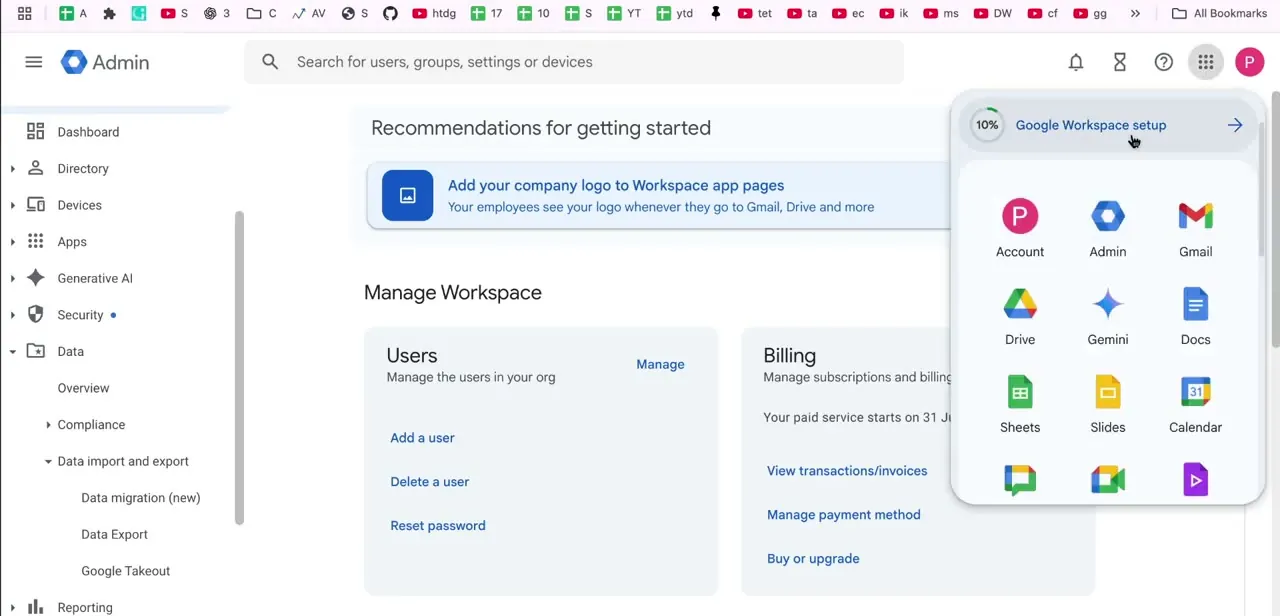
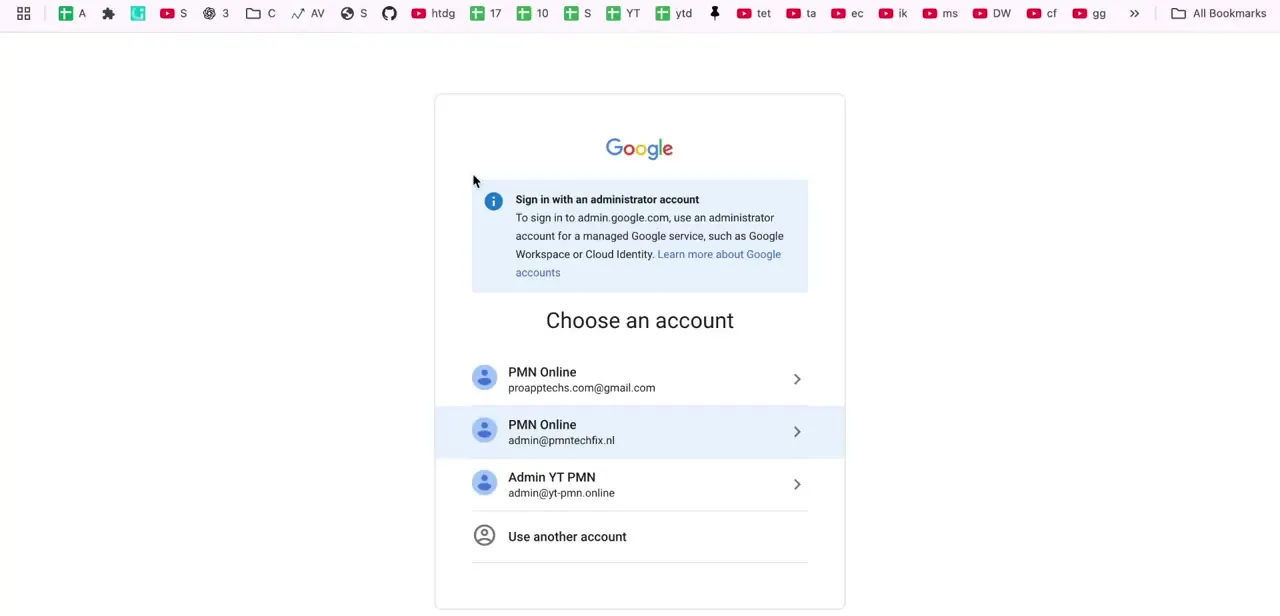
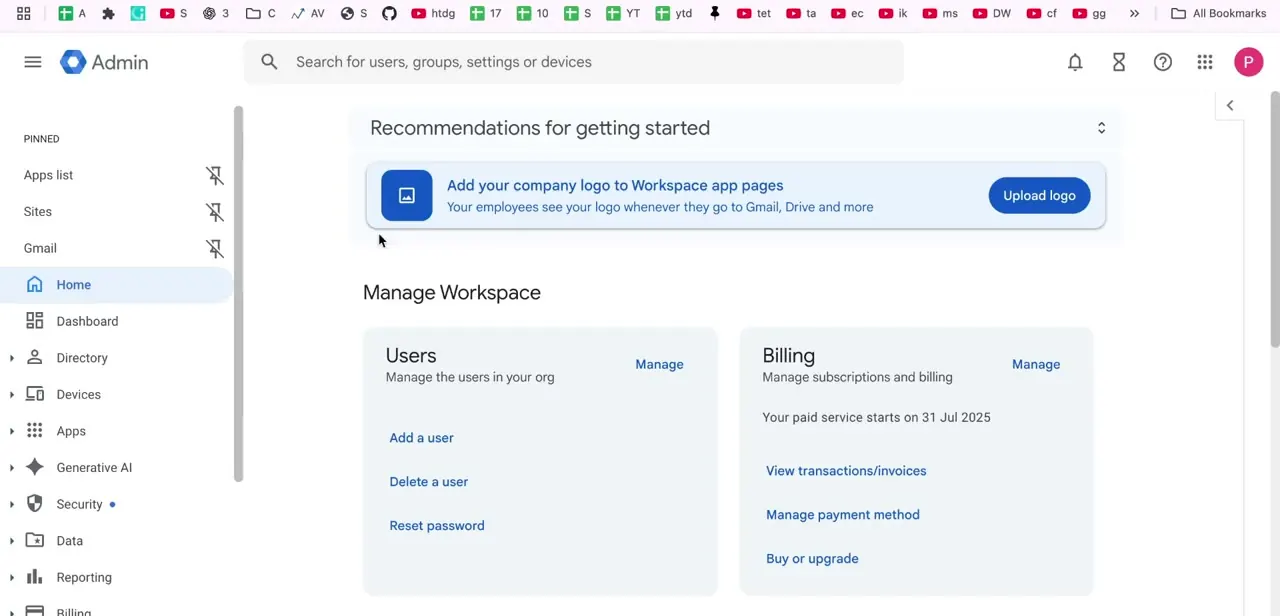
Ownership transfer is an admin-level action, not something a regular Workspace user can do from their own Drive. You need to be signed in at admin.google.com with an account that has admin rights on the Workspace domain the files currently live in. The admin home page gives you the full left-hand menu — Directory, Devices, Apps, Security, and more — which is also where billing and user management sit if you're doing this as part of shutting the account down entirely.
02Open Apps, then Google Workspace, then Drive and Docs
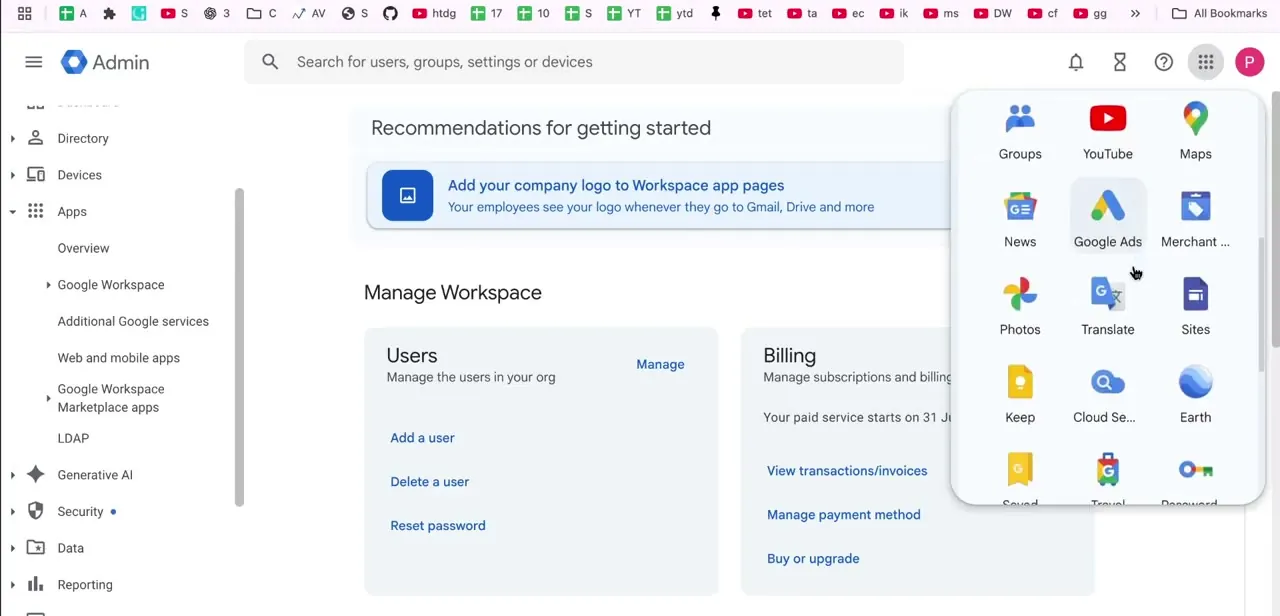
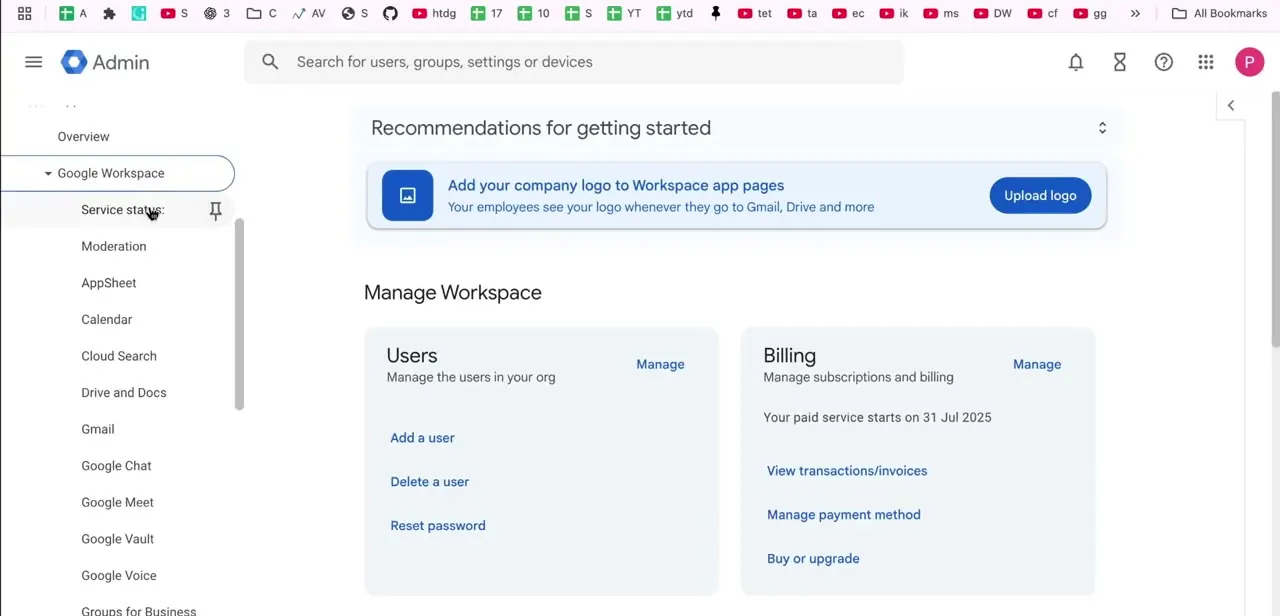
From the left menu, drill into Apps and expand Google Workspace to see the list of individual services: Calendar, Gmail, Google Chat, Google Meet, and Drive and Docs among them. Click Drive and Docs — this is the settings hub for everything related to how Drive behaves across your organization, including sharing rules, migration settings, and the ownership tools you need here. It's easy to go looking for a "transfer" option under Users or Devices instead, so it's worth remembering the setting is filed under the app itself, not under account management.
03Find Transfer ownership in the Drive and Docs settings
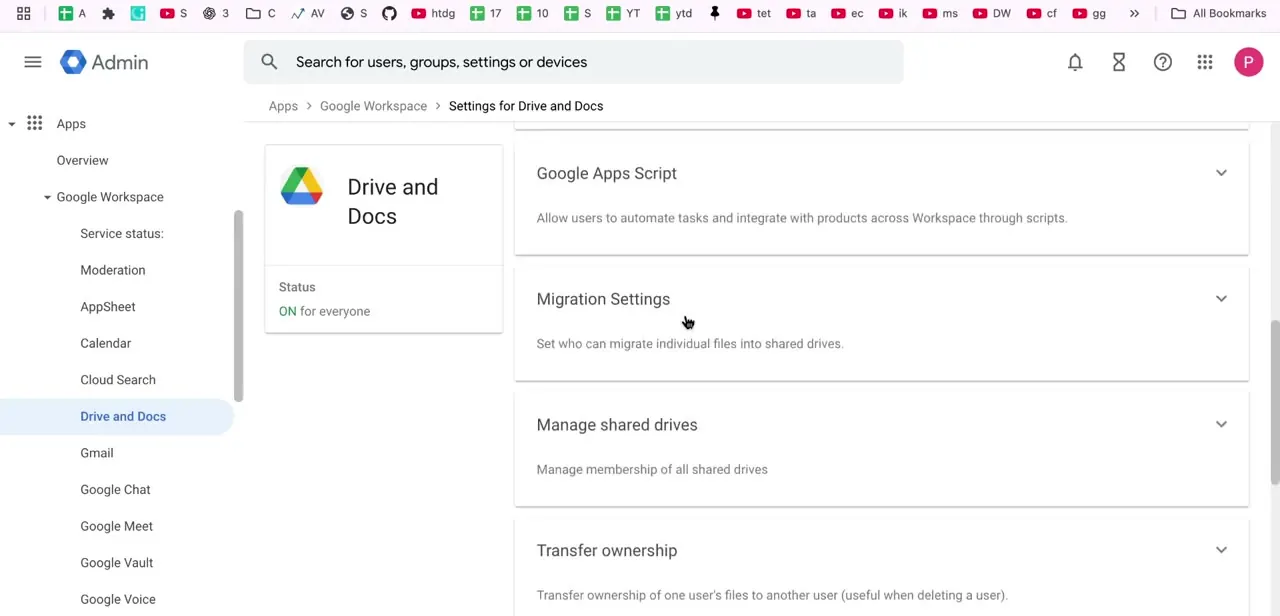
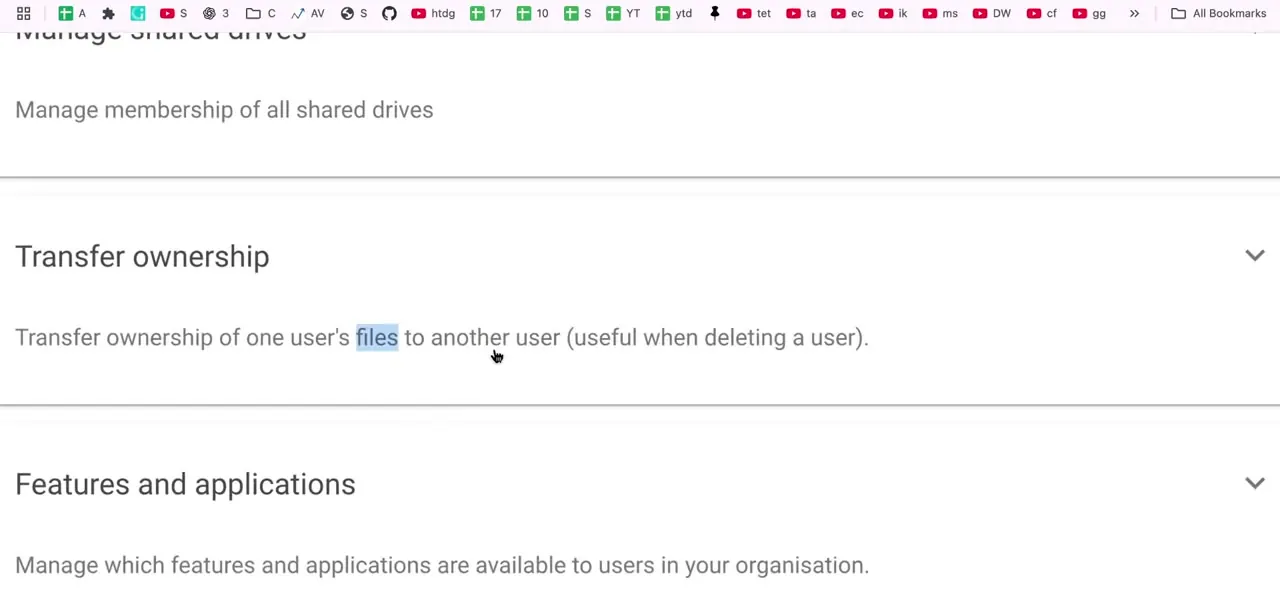
The Drive and Docs settings page is organized as a stack of expandable sections: Google Apps Script, Migration Settings, Manage shared drives, and then Transfer ownership. Each one collapses down to a single line describing what it does, so scroll until you see "Transfer ownership of one user's files to another user (useful when deleting a user)." That description is the giveaway that this feature was built specifically for offboarding — moving a departing employee's files to a manager or to a personal account before their Workspace login is deactivated.
04Read what the transfer actually covers before you run it
Expanding the Transfer ownership section confirms exactly what it does and, just as importantly, what it's for: moving one user's files to another user, typically ahead of deleting that user's account. This is a full ownership change, not a share — the receiving account becomes the actual owner of the files, which is what lets a personal Gmail account keep permanent access after the original Workspace login is gone. It only works between accounts the transfer tool recognizes, though, which is why a personal Gmail address sometimes can't be a direct target and you have to fall back to sharing and copying instead.
05Run the transfer, or share and copy if it's blocked
If your organization allows it, running the ownership transfer from this admin panel is the cleanest option — it moves files and folders in place, so nothing needs to be re-downloaded or re-uploaded and sharing links keep working. If direct transfer isn't available for a personal Gmail address, the workaround is to share the relevant folders with that Gmail account from the source Drive, then have the receiving account make its own copies of the files it needs. This preserves the content even though it creates a second copy rather than moving the original.
06Use Google Takeout for large or complete exports
When you're moving an entire account's worth of data rather than a few folders, Google Takeout is the better tool. It packages your whole Drive — or any subset of services you select — into a downloadable archive that you can then re-upload into the personal Gmail account's Drive. This is the standard route when a Workspace account is being fully closed and you want a complete backup rather than a selective transfer, and it handles large volumes more reliably than manually sharing and copying dozens of individual items.
07Confirm everything landed before you let the old account go
Whichever method you used, open the personal Gmail account's Drive and check that folder structures, file counts, and any critical documents are all present before the Workspace account is deleted or deactivated. Ownership transfers and Takeout re-uploads can both leave gaps if a file type wasn't supported or a folder was skipped, and once the source account is gone there's no easy way to go back and grab what was missed.
Frequently asked questions
Can I transfer Drive files directly between a Workspace and personal Gmail account?
It depends on your organization's settings. The admin console's Transfer ownership tool (under Apps → Google Workspace → Drive and Docs) is built for moving files between users and is commonly used before deleting an account, but some domains restrict transfers to external addresses, in which case share-and-copy is the fallback.
What is Google Takeout used for in this process?
Takeout exports your Drive data as a downloadable archive, which is especially useful for transferring large volumes of files, or when you want a full backup of an account rather than a selective ownership transfer.
Will transferring files change their sharing permissions?
Ownership changes can affect who has access, so review sharing settings on the receiving account after the transfer to make sure the right people still have access to shared documents.
Why is the Transfer ownership option greyed out for me?
It's an admin-level setting reached through Apps → Google Workspace → Drive and Docs in the admin console, so it will appear inactive if you're not signed in with admin privileges, or if your domain's policy restricts transfers to certain account types.
Is there a size limit to how much I can transfer at once?
Large transfers may take longer or need to be done in batches, especially when using Takeout for bulk exports rather than the direct ownership transfer tool.
About the author

Impran M N
I've been hooked on technology for as long as I can remember — especially the new tools and AI apps that seem to land every other week. Easy Tech Tuts is where I write up whatever I've just worked out: I do the task in the real product, record the screen, and turn it into the guide I wish I'd found first.