 Easy Tech Tuts
How to Design a Facebook Cover Photo in Canva Easily 2026
By Impran M N
A Facebook cover photo is prime real estate — it's the first wide banner anyone sees at the top of your profile or page — but designing one from a blank canvas means fighting Facebook's exact crop dimensions the whole way. Canva sidesteps that by offering templates already built to Facebook Cover size, so the only real work is making a template look like it belongs to you rather than to whoever downloaded it first. This guide follows that path: opening Canva, searching specifically for Facebook Cover templates, picking one, and swapping its generic graphic for something that matches your actual message.
01Start from the Canva home screen
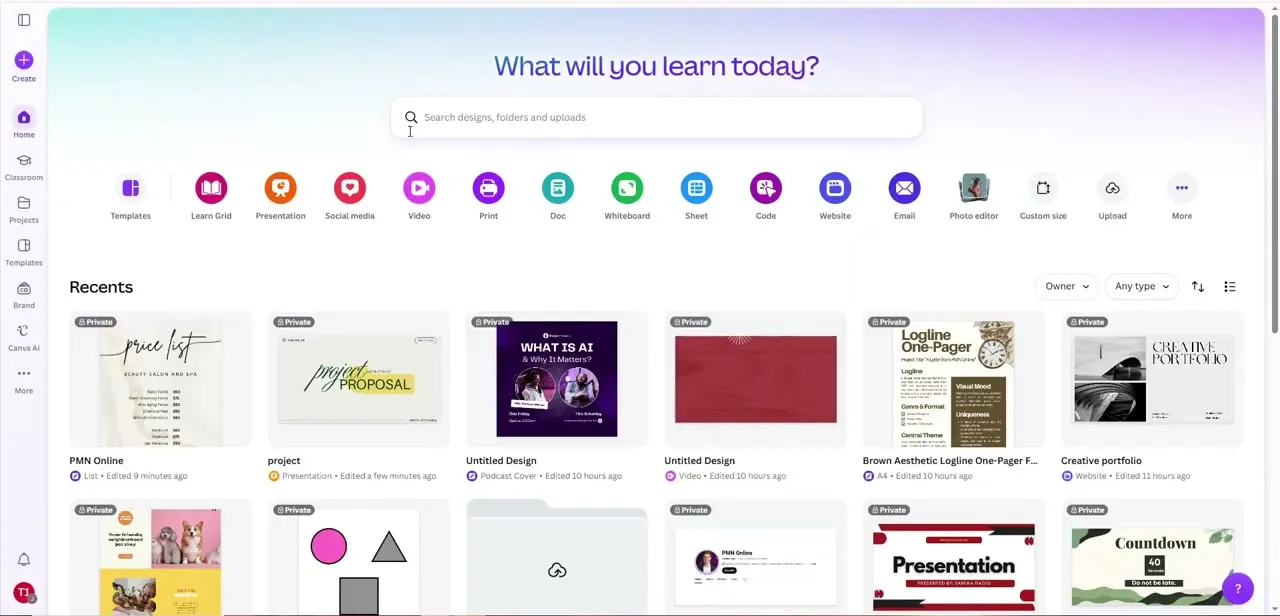
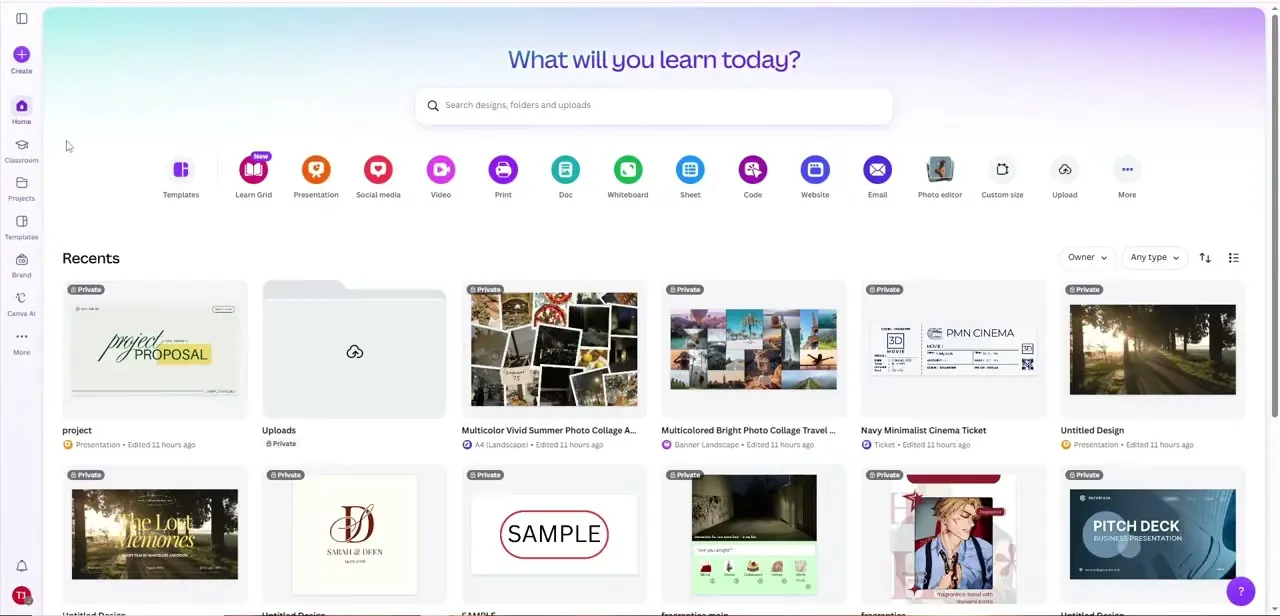
From Canva's "What will you learn today?" home screen, you've got format shortcuts across the top — Templates, Social media, Video, and more — plus a search bar and a grid of your recent designs below. You can click through Social media to browse by platform, but typing directly into the search bar is usually the fastest route to a specific format like a Facebook cover.
02Search for Facebook Cover templates
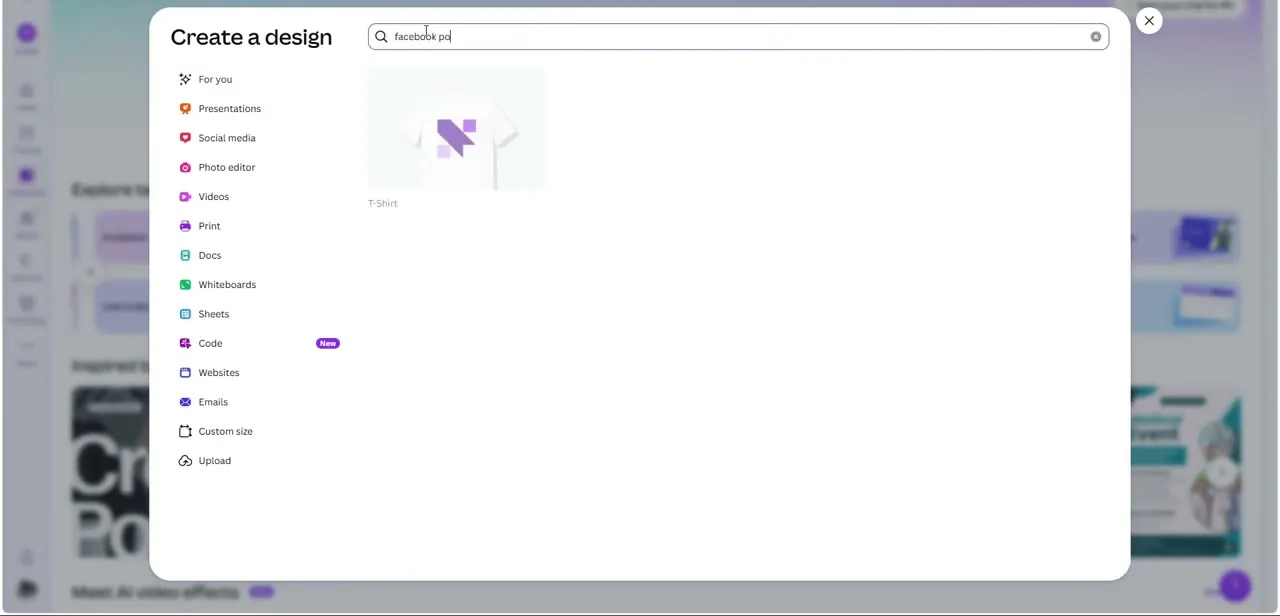
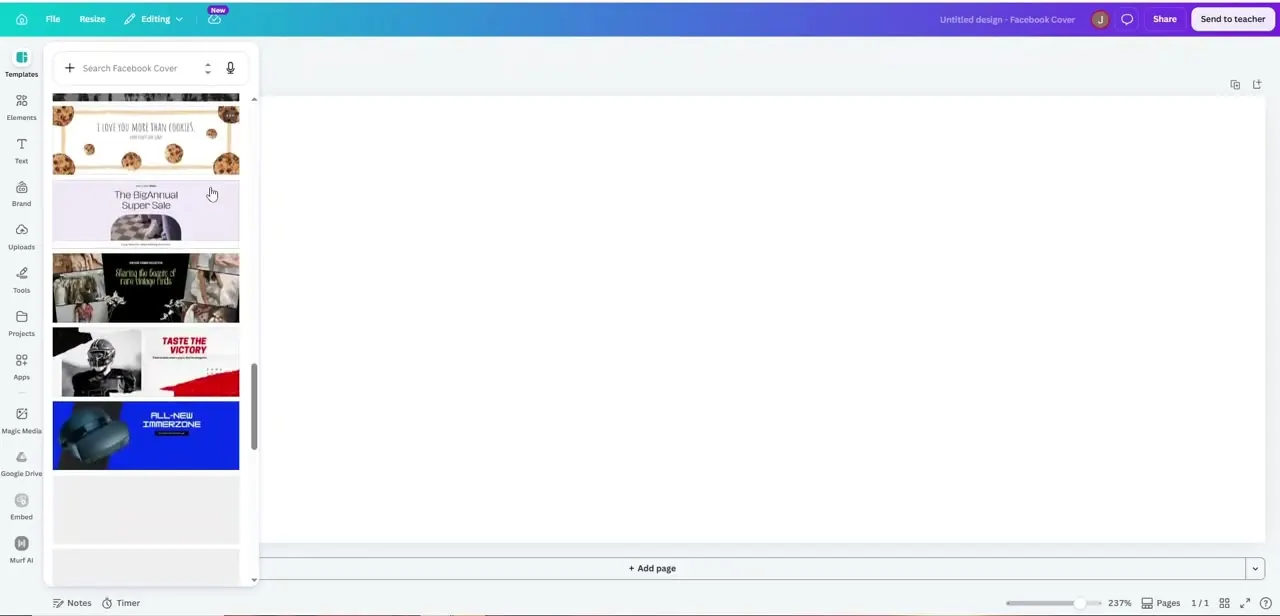
Inside a project, the Templates panel on the left has a dedicated search field — searching "Facebook Cover" returns a scrollable list of pre-sized designs, from a cookie-themed birthday banner to a big sale announcement to a sports promo. Every one of them is already cropped to Facebook's cover dimensions, so once you commit to a template, you're not fighting aspect ratio problems later — you're only replacing content.
03Open a template and read what it's giving you
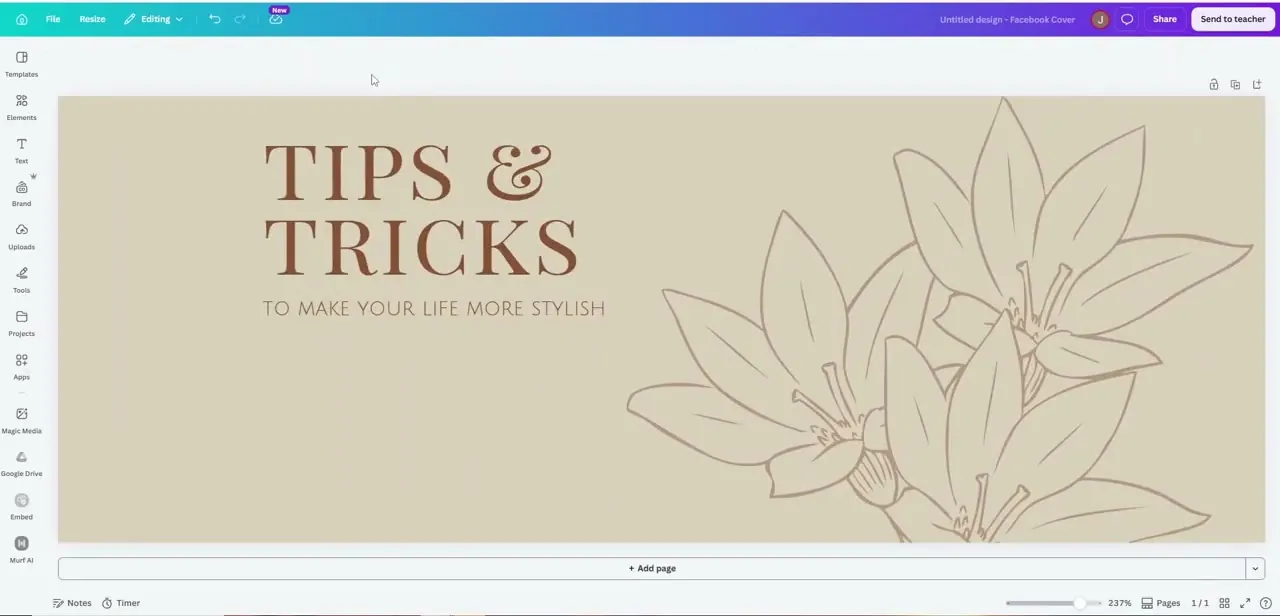
Clicking a template loads it onto the canvas at full size — in this example, a soft tan cover reading "Tips & Tricks / To Make Your Life More Stylish" with a hand-drawn floral illustration on the right. Before changing anything, notice what's actually doing the visual work: the layout balance between text on one side and graphics on the other, the color palette, and the font pairing. That structure is what you're keeping — the specific words and imagery are what you're about to replace.
04Replace the template's graphic with your own
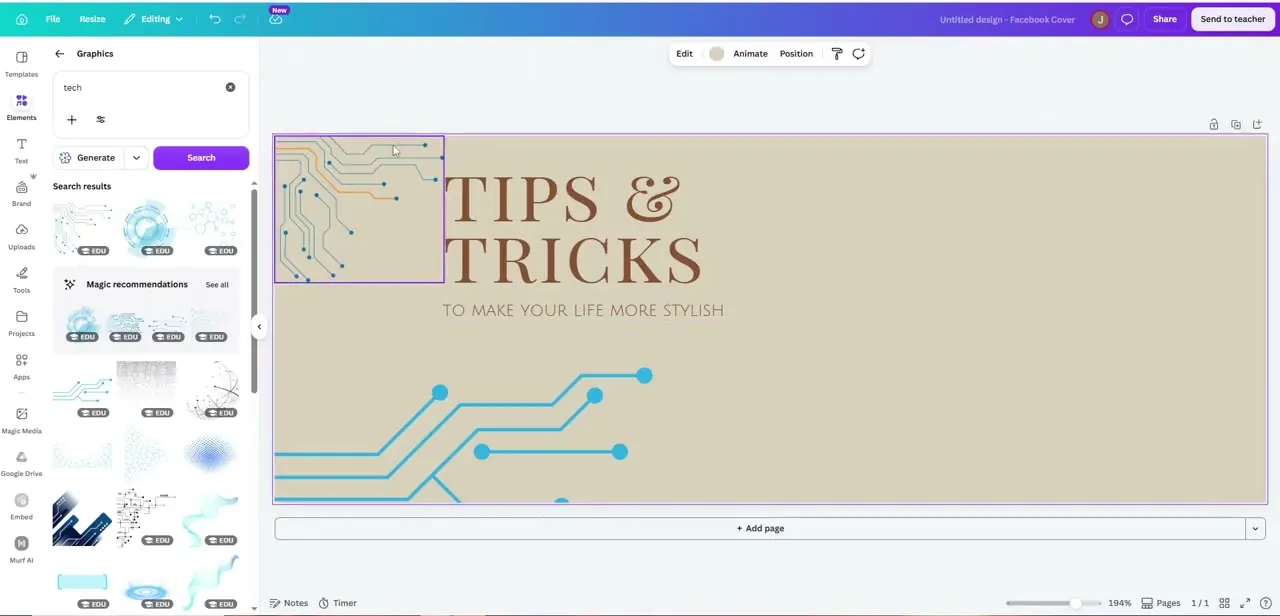
Selecting the existing graphic and opening Elements switches the left panel into Graphics search — searching a keyword relevant to your brand, like "tech," surfaces a fresh set of illustrations plus a "Magic recommendations" row Canva generates based on what's already on your canvas. Dragging a new graphic onto the selected element's spot swaps it in at roughly the same size and position, which keeps the template's original composition intact even though the imagery now matches an entirely different topic.
05Rewrite the headline and subheading
Double-click the title and subtitle text to edit them directly, replacing placeholder copy like "Tips & Tricks" with your actual page name, tagline, or announcement. Keep it short — a cover photo is glanced at, not read closely, so two or three words in the headline and a single supporting line underneath will read better than a paragraph crammed into the same space.
06Adjust colors to match your brand
Select each text or shape element and use the color swatch in the toolbar to bring the palette in line with your existing brand colors, logo, or page theme. Changing colors after you've already replaced the graphic and text is usually faster than doing it first, since you can see the final composition and judge contrast and readability against the actual content rather than the template's placeholder version.
07Download and upload to Facebook
Once the design looks right, export it as a PNG or JPG at the template's native size — Canva already sized it to Facebook's cover dimensions, so there's no need to manually crop anything before uploading. Check the preview on Facebook itself once it's live, since profile pictures and page navigation elements overlap part of the cover on both desktop and mobile, and a detail sitting near those edges in Canva might get partially covered on the live page.
Frequently asked questions
Do I need design skills to make a Facebook cover in Canva?
No. Starting from a template built for Facebook's cover dimensions means the layout and sizing are already handled — you're mainly swapping in your own graphics, text, and colors.
Are there templates specifically sized for Facebook covers?
Yes. Searching "Facebook Cover" in Canva's Templates panel returns designs pre-cropped to the correct banner dimensions, so you don't need to resize anything manually.
How do I replace a template's graphic without breaking the layout?
Select the existing graphic, open Elements, and search a keyword related to your brand — dragging a new graphic onto the selected element's position keeps roughly the same size and placement as the original.
Can businesses use this for marketing purposes?
Yes. Swapping a template's imagery, headline, and colors is exactly how small businesses build a cover photo that promotes a sale, announcement, or brand identity without hiring a designer.
Can I reuse the same design for other platforms?
You can adapt the composition, but you'll need to resize the canvas for each platform's specific banner dimensions since a Facebook cover, a LinkedIn banner, and a YouTube channel art all use different aspect ratios.
About the author

Impran M N
I've been hooked on technology for as long as I can remember — especially the new tools and AI apps that seem to land every other week. Easy Tech Tuts is where I write up whatever I've just worked out: I do the task in the real product, record the screen, and turn it into the guide I wish I'd found first.