 Easy Tech Tuts
How to Change Page URL in Elementor, Fix Slug Setting Not found in WP Elementor Easily 2026
By Impran M N
Many beginners assume Elementor controls the page URL, but the actual link or slug is managed through WordPress's own page settings, not the Elementor canvas. That's why searching Elementor's own panels for a URL field comes up empty. This guide shows exactly where the slug setting lives, walks through changing it on a real page, and covers what to check afterward so menus, internal links, and the page itself keep working.
01Find Elementor in your WordPress dashboard
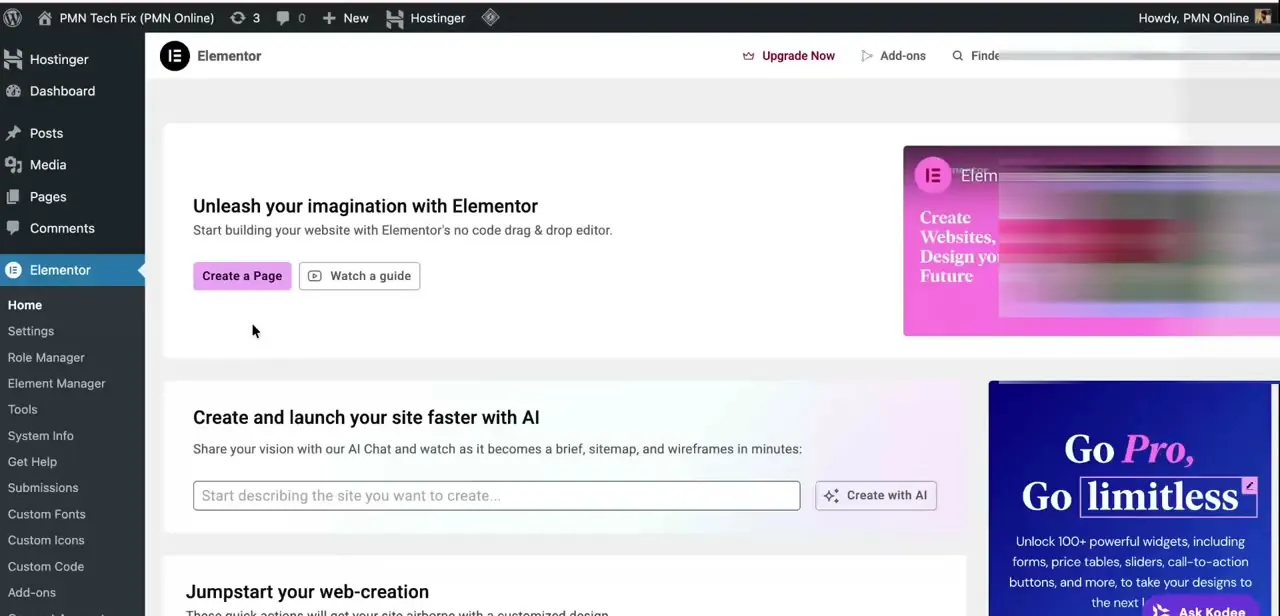
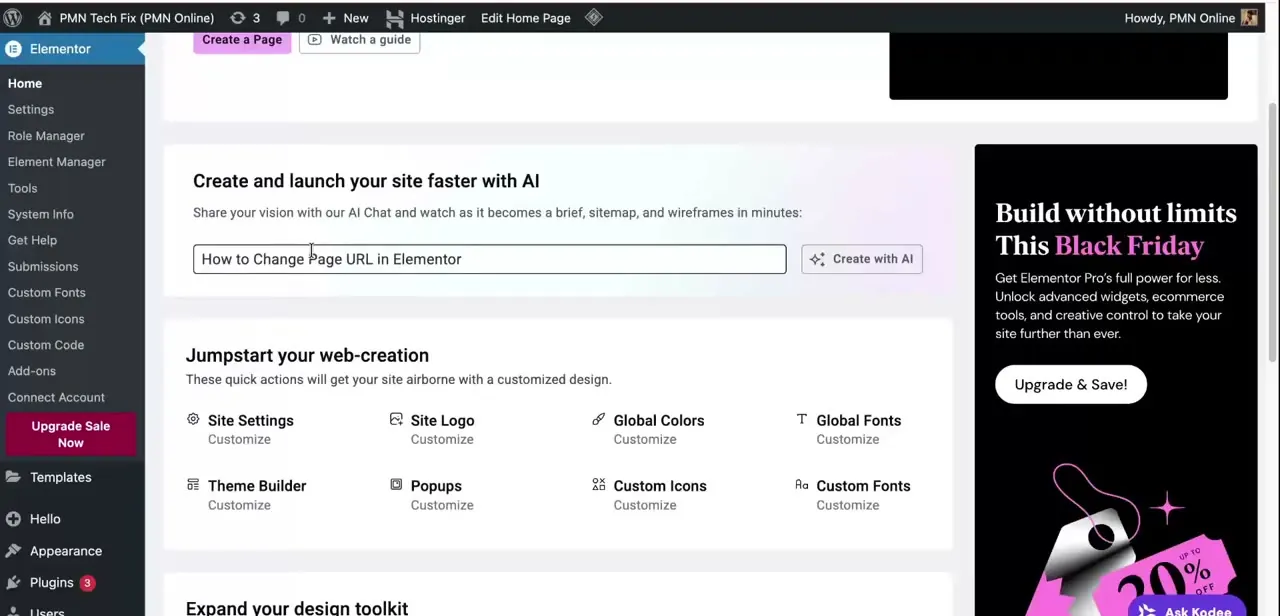
Elementor installs as a plugin, so it shows up as its own menu item in the WordPress admin sidebar, with Home, Settings, and Templates underneath it. This is a good place to get oriented, but it's worth saying upfront: nothing in this Elementor-specific menu controls a page's URL. That setting lives one level up, in WordPress's own Pages screen, which is the next stop.
02Open the Pages list in WordPress
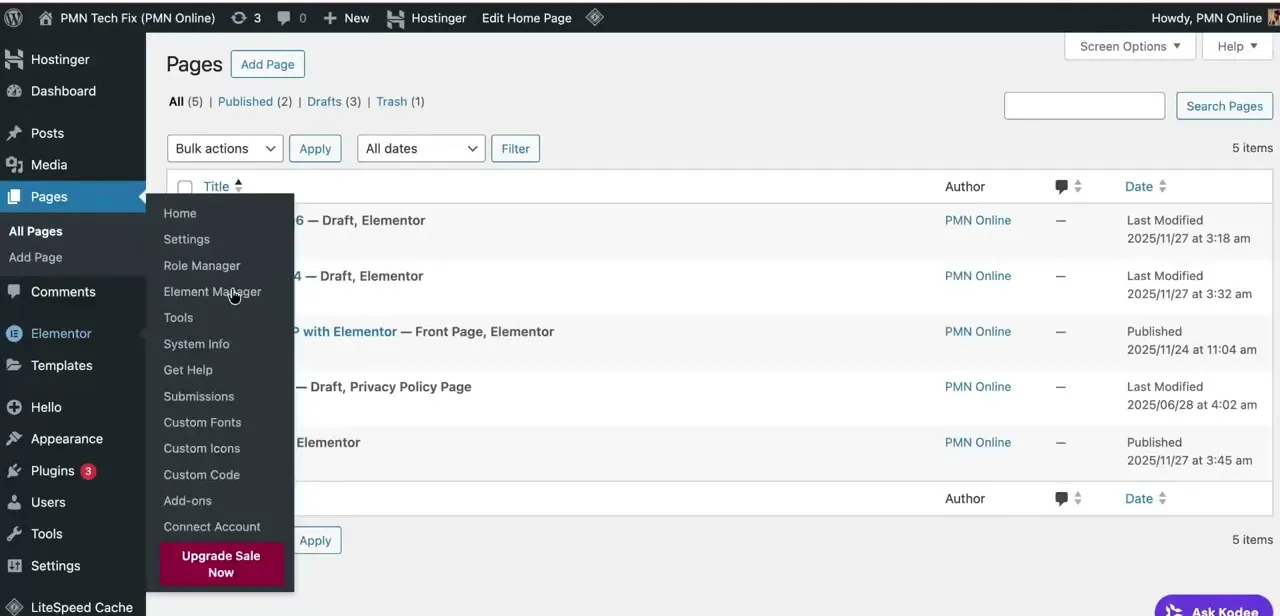
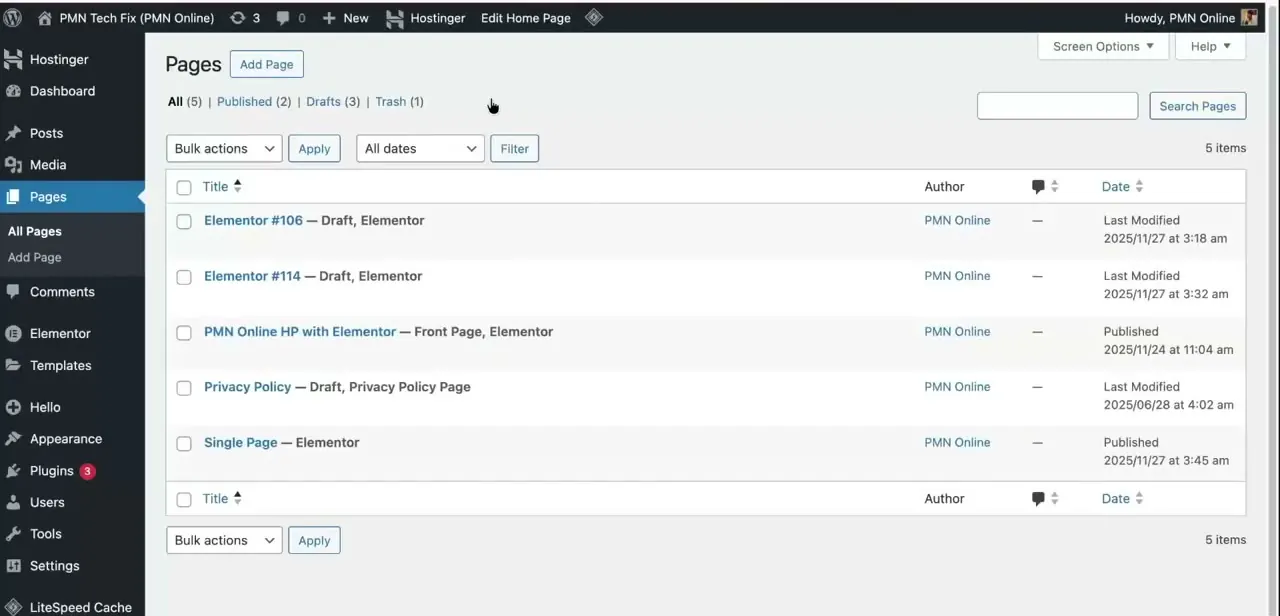
From the main WordPress sidebar (not Elementor's), click Pages to see every page on the site along with its status — Published, Draft, or Trash — and when it was last modified. Find the specific page whose URL you want to change and click into it. This list is also useful for a quick sanity check afterward, since a renamed slug will still show the same title here even though its link has changed underneath it.
03Locate the Slug field in the page settings
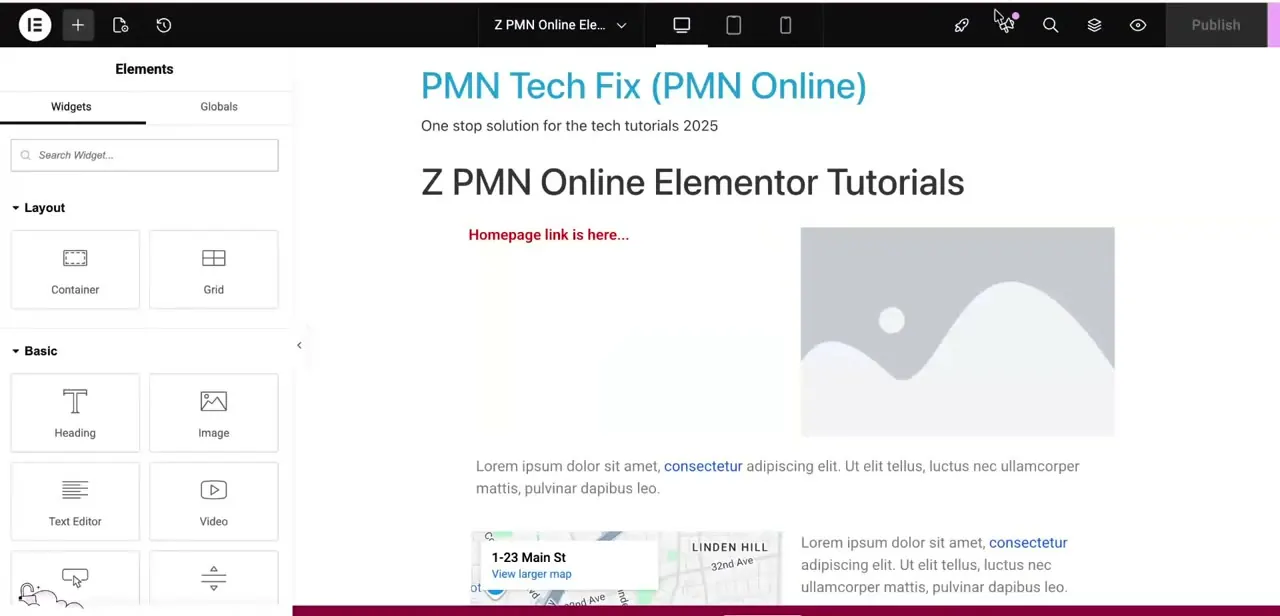
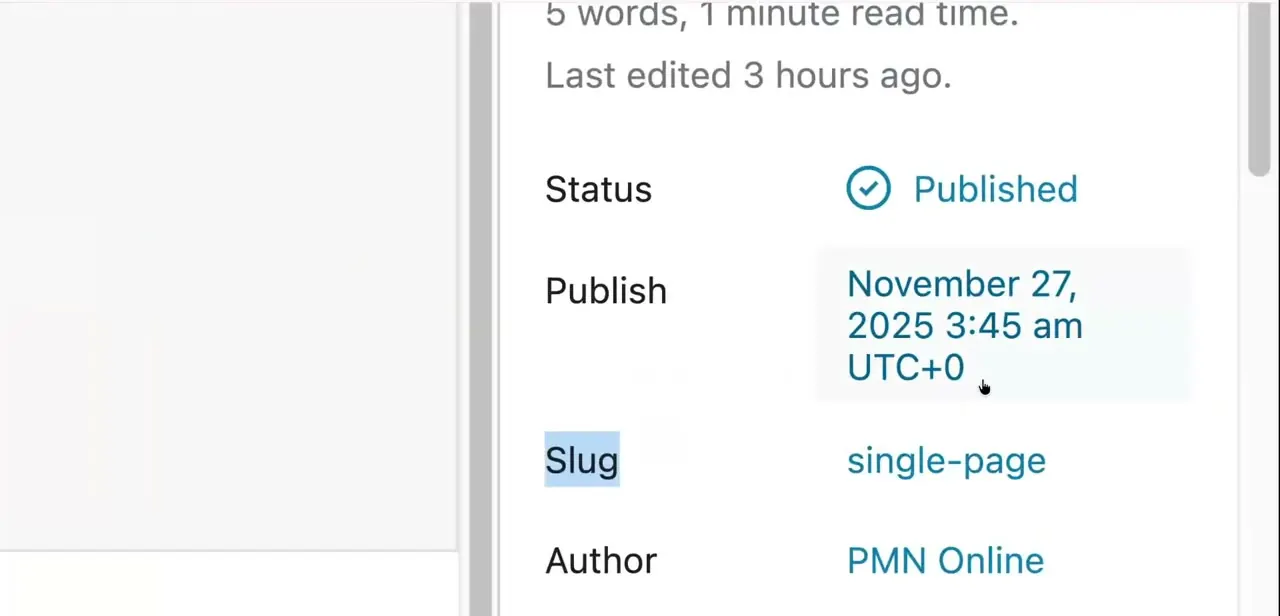
Once you're editing the page, open the Page panel on the right (in the block editor, or the equivalent settings tab if you're editing through WordPress directly rather than the Elementor canvas). Scroll past Status and Publish date and you'll find Slug, showing the current URL segment — in a fresh page this usually defaults to something generic derived from the title. Clicking directly on the slug value makes it editable.
04Edit the slug and save
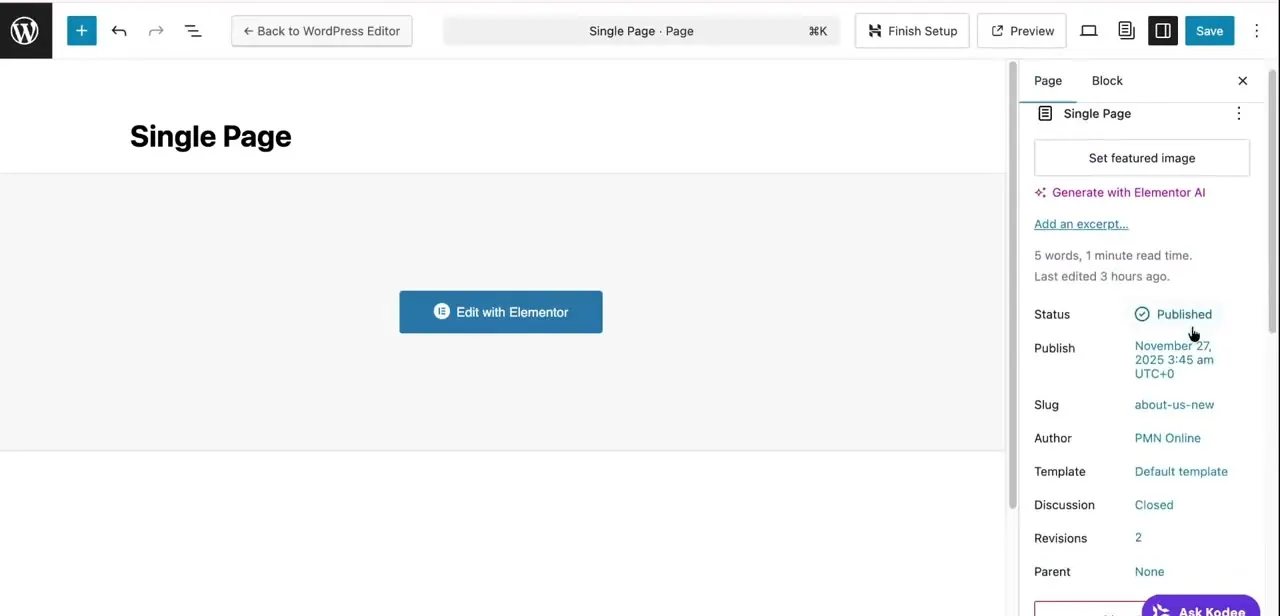
Type the new slug you want — keep it lowercase, use hyphens instead of spaces, and avoid special characters, since WordPress will otherwise strip or encode them for you anyway. Press enter or click away to confirm the change, then hit Save or Update on the page. The slug field will now reflect your new URL segment, and that's the actual live address visitors and search engines will use going forward.
05Fix a page that won't load after the change
If the page throws a 404 or looks broken right after you save the new slug, the most common cause is a caching plugin or your host's server cache still serving the old URL structure. Clear any WordPress caching plugin you have active, and if you're on managed hosting, also clear the host-level cache from its own panel. If the problem persists, check Settings > Permalinks in WordPress and simply re-save that screen without changing anything — this forces WordPress to flush and rebuild its internal rewrite rules, which resolves most post-slug-change 404s.
06Update menus and internal links
Changing a slug doesn't automatically update navigation menus or internal links elsewhere on the site — those still point to the old URL as literal text or IDs, depending on how they were built. Check Appearance > Menus for any manually-added links using the old slug, and search through other pages or posts that might link to this one directly. If the page was already indexed by search engines, set up a redirect from the old URL to the new one so you don't lose that traffic or hand visitors a dead link.
Frequently asked questions
Does Elementor control the page URL?
No, the page URL or permalink is managed by WordPress's core page settings — specifically the Slug field — not Elementor's design editor.
Where exactly is the Slug field?
Open the page in the WordPress editor, look in the Page panel on the right side, and scroll past the Status and Publish fields — Slug appears just below Publish date.
Why does my page show an error after changing the slug?
This is usually due to a caching plugin or host-level cache still serving the old URL. Clear your caches, and if the problem continues, re-save Settings > Permalinks in WordPress to flush the rewrite rules.
Should I redirect the old URL after changing it?
Yes, if the page was already live and indexed, setting up a redirect from the old URL to the new one helps preserve SEO value and avoid broken links for anyone who bookmarked the old address.
Can changing a URL break my Elementor template?
The Elementor design itself isn't affected by a slug change, but any dynamic or manually-added links referencing the old slug elsewhere on the site — menus included — will need updating separately.
About the author

Impran M N
I've been hooked on technology for as long as I can remember — especially the new tools and AI apps that seem to land every other week. Easy Tech Tuts is where I write up whatever I've just worked out: I do the task in the real product, record the screen, and turn it into the guide I wish I'd found first.