 Easy Tech Tuts
How to Create a Survey With Canva Easily 2026
By Impran M N
Canva isn't just for social graphics — it also has a library of ready-made survey and form templates, which makes it a fast way to put together a feedback form that actually looks like your brand instead of a generic Google Form. This guide covers how to find those templates, open one, and edit the personal-info fields and questions so the survey reflects what you actually want to ask. It's aimed at anyone who wants a better-looking feedback form without learning a dedicated survey tool.
01Browse Canva's survey templates
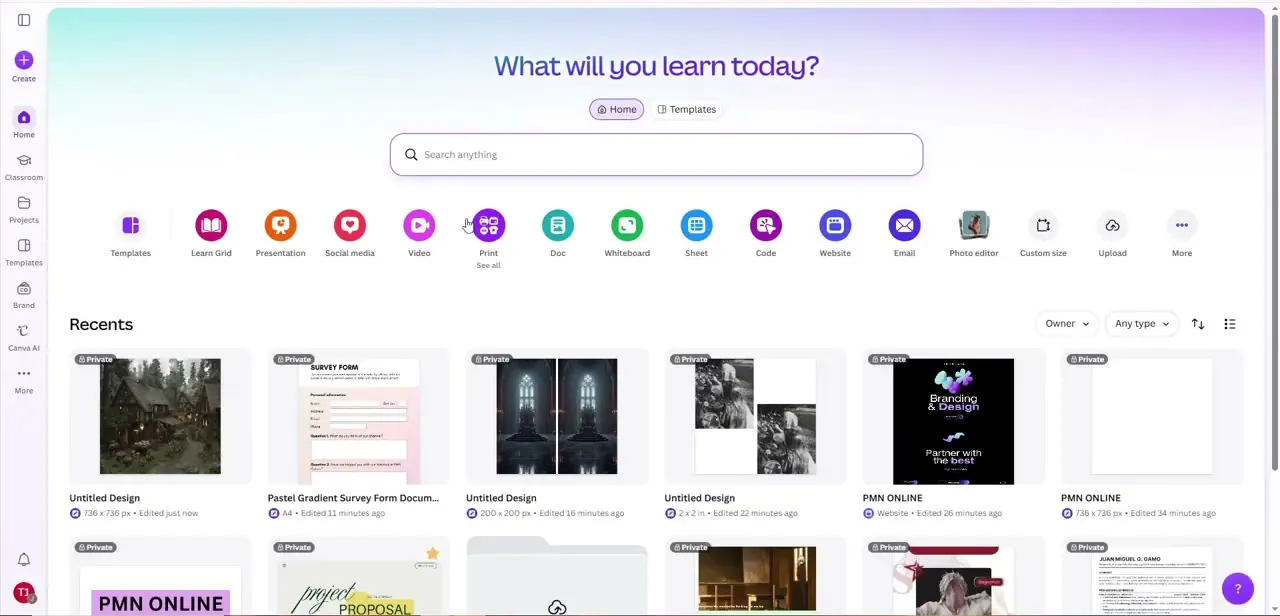
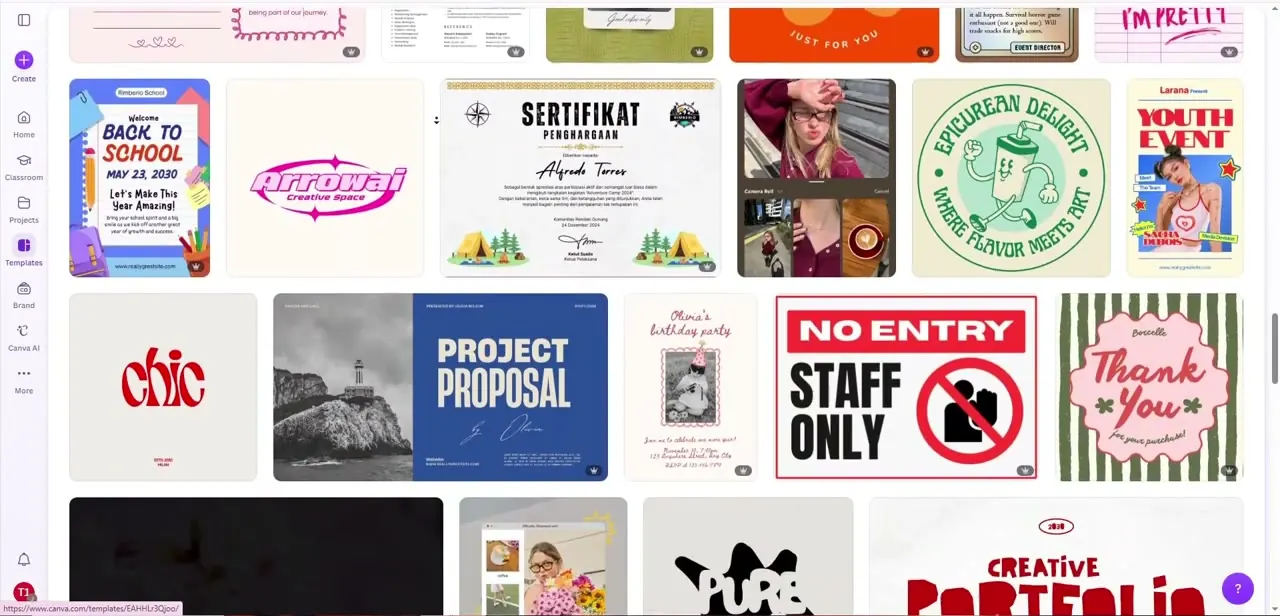
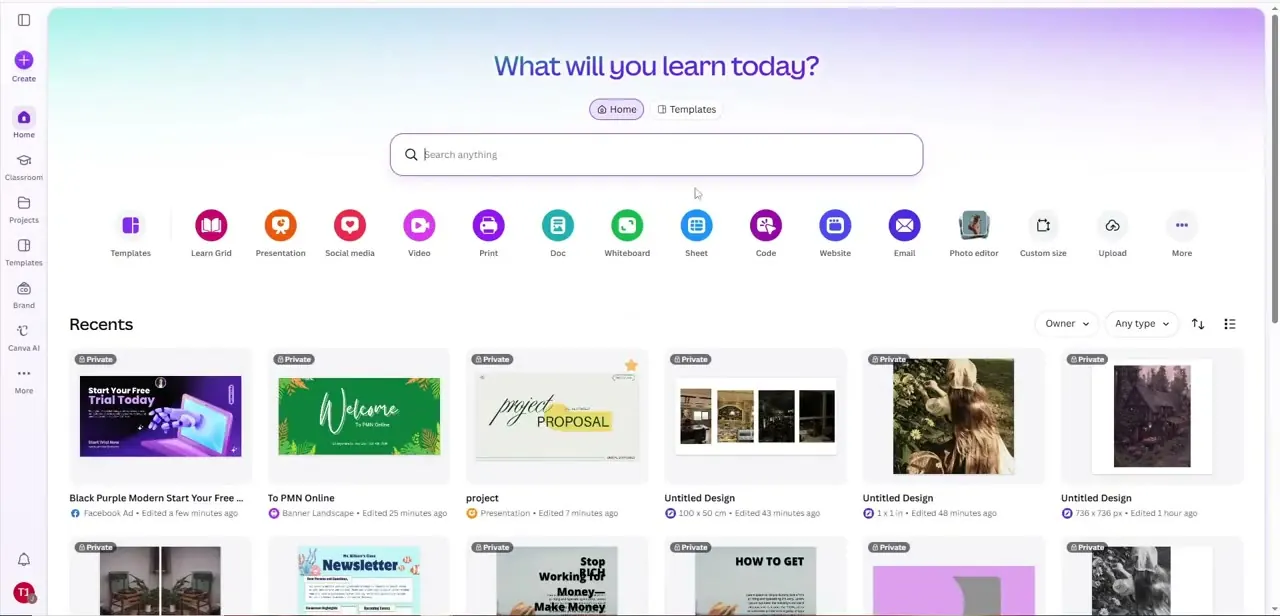
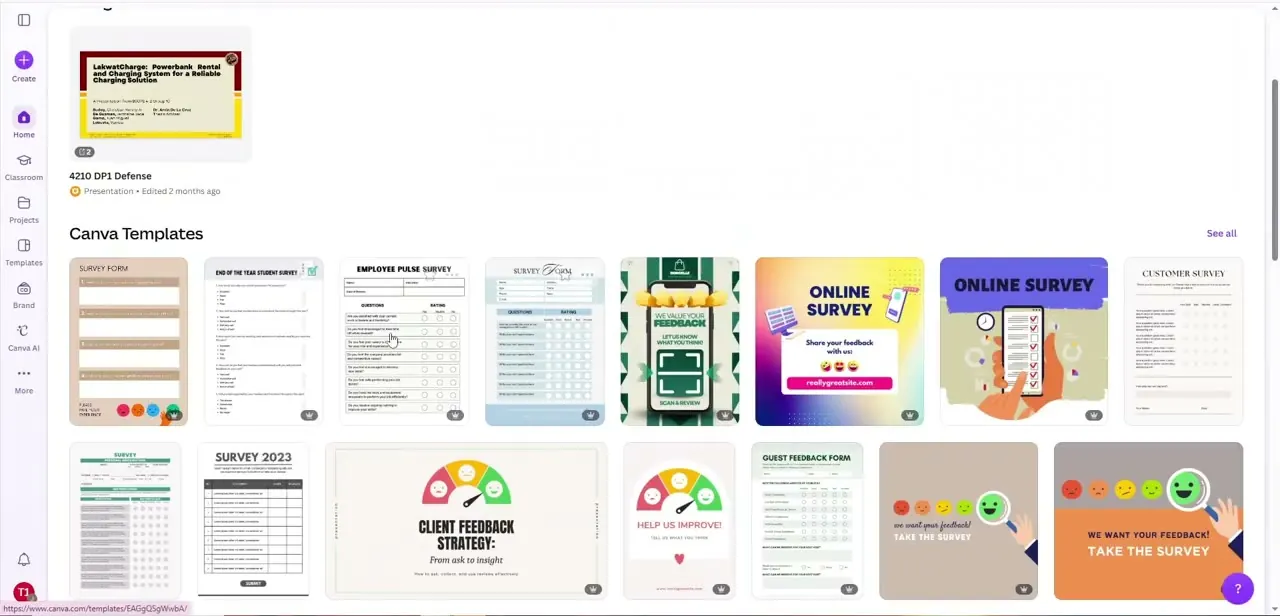
From the Canva home screen, search "survey" and you'll land on a template grid mixing plain document-style forms, colorful "Online Survey" social posts meant to link out to a form, client feedback strategy decks, and rating-scale graphics with smiley faces for quick reactions. These are genuinely different tools for different jobs — a document-style template is the one to open if you want an actual fillable or printable form, while the social-post styles are better suited to promoting a survey link than collecting answers directly.
02Open a survey form template
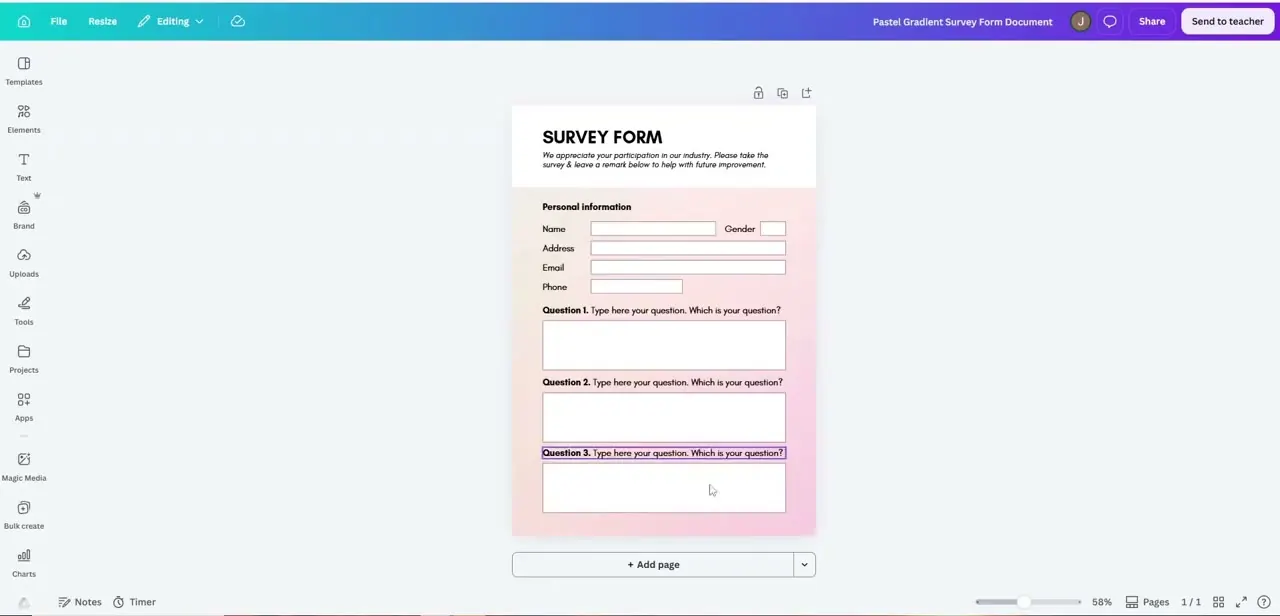
A document-style option like the Pastel Gradient Survey Form opens with a header, a short intro line explaining the survey's purpose, a Personal information block (Name, Address, Email, Phone, Gender), and a stack of numbered question boxes with placeholder text reading "Type here your question. Which is your question?" Everything is a separate, clickable element, so the layout does the hard work — your job from here is just replacing the placeholders.
03Write your actual questions
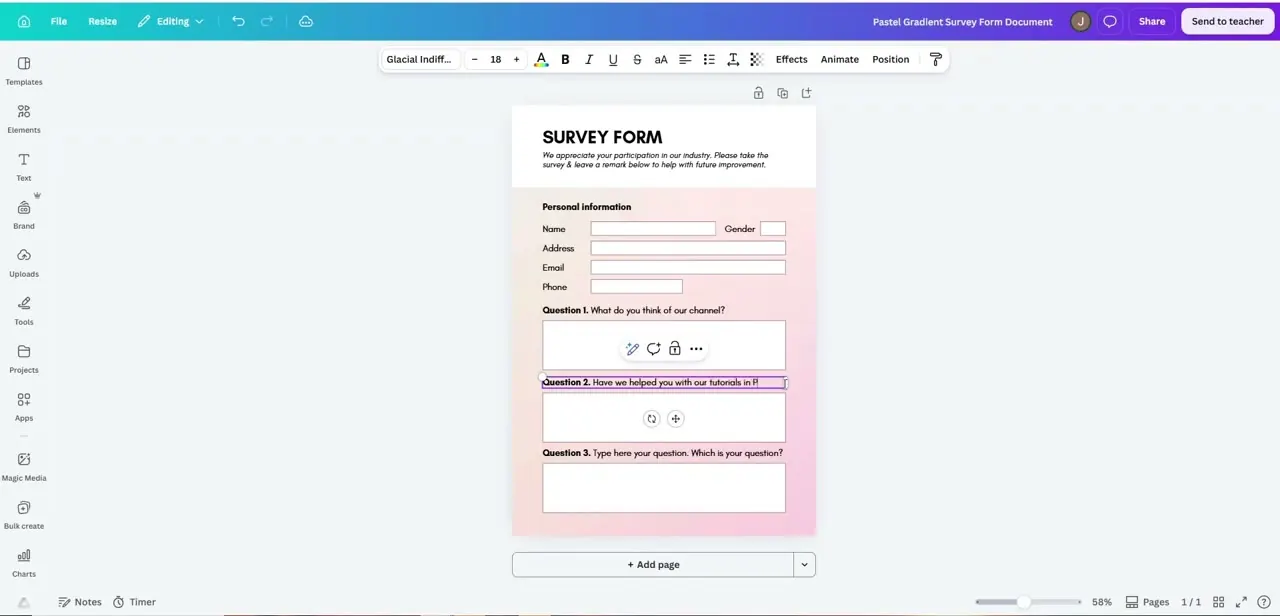
Click into each "Question" heading and replace the placeholder with a real question — something concrete like "What do you think of our channel?" or "Have we helped you with our tutorials?" rather than a leading or vague prompt. Keep the answer box beneath each question sized appropriately for what you're expecting back; a one-line answer doesn't need the same tall box as an open-ended comment field. Work through every question box on the page, since it's easy to edit the first two and forget the last one still says "Type here your question."
04Decide what personal information to collect
The Personal information block collects Name, Address, Email, Phone, and Gender by default, which is more than most feedback surveys actually need. Delete any field that isn't relevant to your purpose — a quick product-feedback survey rarely needs a mailing address, and asking for more than necessary tends to lower completion rates. Keep only what you'll actually use to follow up or segment responses.
05Match the design to your brand
Select the header text, background, or any accent elements and swap the colors and fonts to match your existing branding using the same color and text tools available in any Canva design. A survey that visually matches your website or product feels more trustworthy to fill out than a form styled like a generic template, which can measurably affect how many people bother finishing it.
06Prepare it for distribution
Once the design and questions are finished, decide how people will actually respond. A Canva document exports cleanly as a PDF for email or printing, but it isn't a live, submittable web form on its own — if you need responses collected automatically, use the finished design as the visual reference for a form tool, or pair it with one of the promotional "take the survey" template styles linking out to wherever responses are actually gathered.
Frequently asked questions
Can I use Canva surveys for customer feedback?
Yes, Canva's survey templates work well for gathering customer satisfaction feedback or market research, especially when you want the form to visually match your brand.
Do I need design experience to make a survey in Canva?
No. Canva's templates come with the layout and fields already built, so you're mainly editing placeholder text and colors rather than designing anything from scratch.
Does a Canva survey collect responses automatically?
Not by itself — a Canva document is a design file. For automatic response collection, export the design as a reference and connect it to a form tool, or use Canva's promotional template styles to link out to wherever you're actually gathering answers.
Can I share a Canva survey on multiple platforms?
Yes. Once designed, you can download it as a PDF for email or printing, or use one of Canva's social-post survey templates to promote a link to it anywhere you post.
Should I ask for personal information on every survey?
Only what you'll actually use. The default template includes name, address, email, phone, and gender fields, but trimming that down to just what's necessary tends to improve completion rates.
About the author

Impran M N
I've been hooked on technology for as long as I can remember — especially the new tools and AI apps that seem to land every other week. Easy Tech Tuts is where I write up whatever I've just worked out: I do the task in the real product, record the screen, and turn it into the guide I wish I'd found first.