 Easy Tech Tuts
How to Create Google Docs Templates Easily 2026
By Impran M N
Standardizing letterheads, proposals, or weekly agendas is much easier with a proper template setup rather than copy-pasting old files and hoping nobody edits the wrong one. Google Docs supports this with structured headings, built-in placeholder blocks, and a simple URL trick that forces anyone who opens your file to make their own copy instead of editing the original. This guide covers designing that master layout and locking it down so your team gets consistent documents without accidental overwrites.
01Start from a quick-start building block
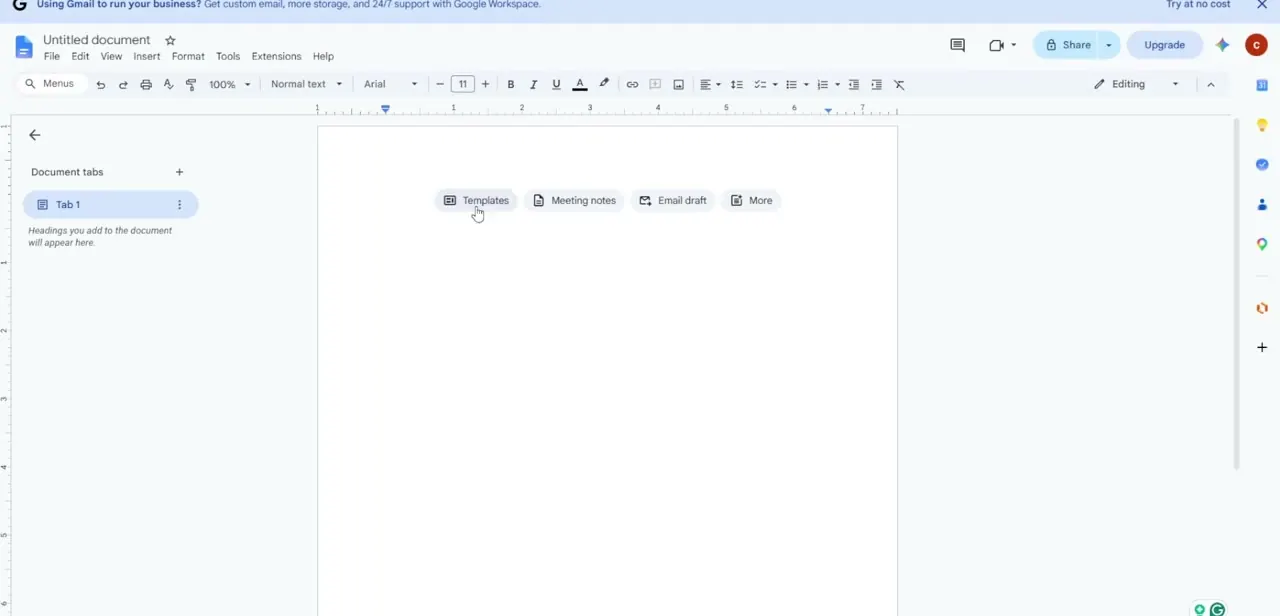
Open a new document and look for the row of quick-start chips Google Docs sometimes surfaces on a blank page — options like Templates, Meeting notes, and Email draft. These insert a pre-formatted skeleton you can then customize into your own reusable layout, which is often faster than building every section's structure from scratch.
02Structure the layout with heading styles
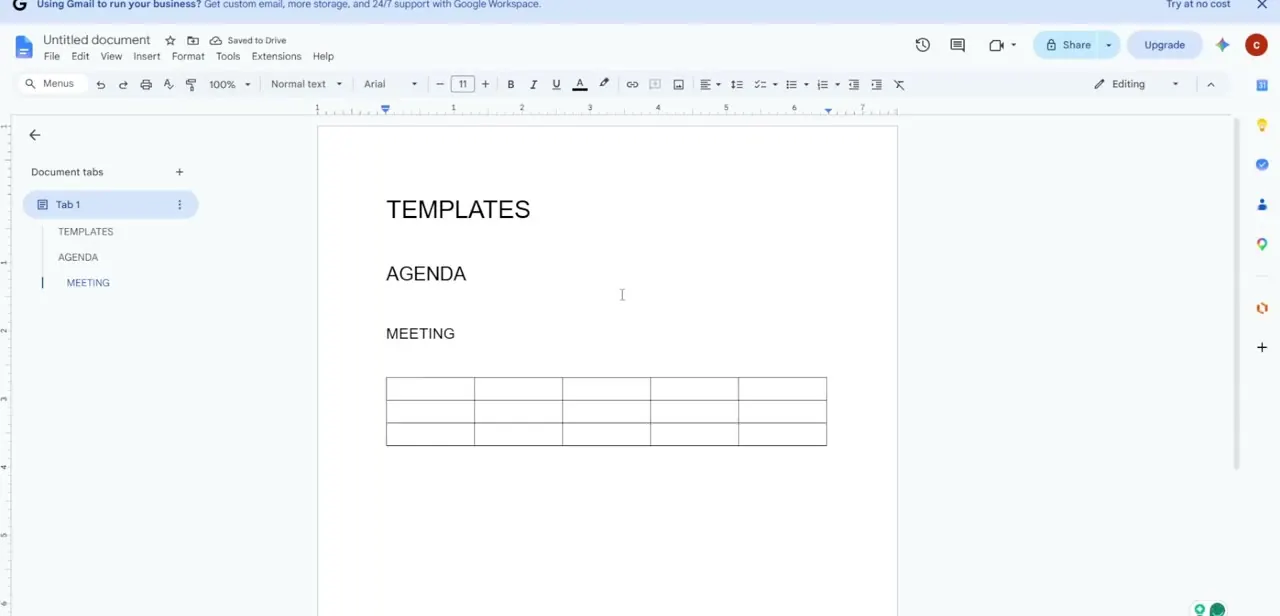
As you build out your master file, apply Heading styles — Heading 1, Heading 2, and so on — to each section label instead of just making text bold. Every heading you add automatically populates the Document tabs sidebar on the left, giving you a live outline of the template's structure. This matters for a template specifically because whoever copies it later can navigate the sections instantly instead of scrolling through a wall of text to find where their data goes.
03Mark placeholder fields clearly
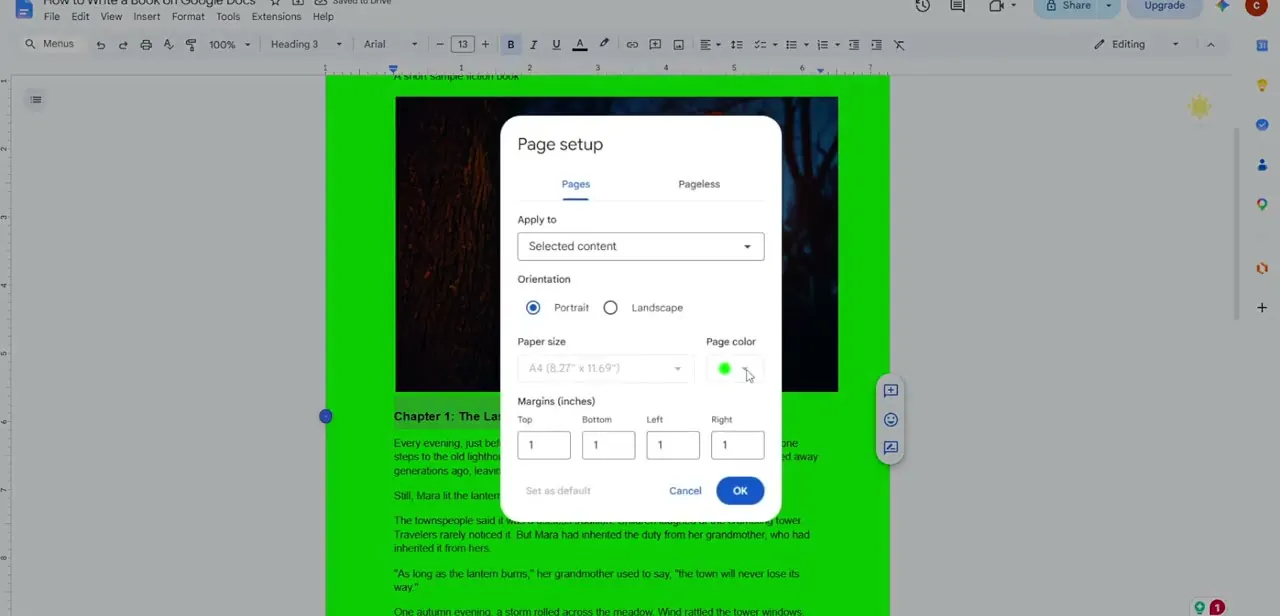
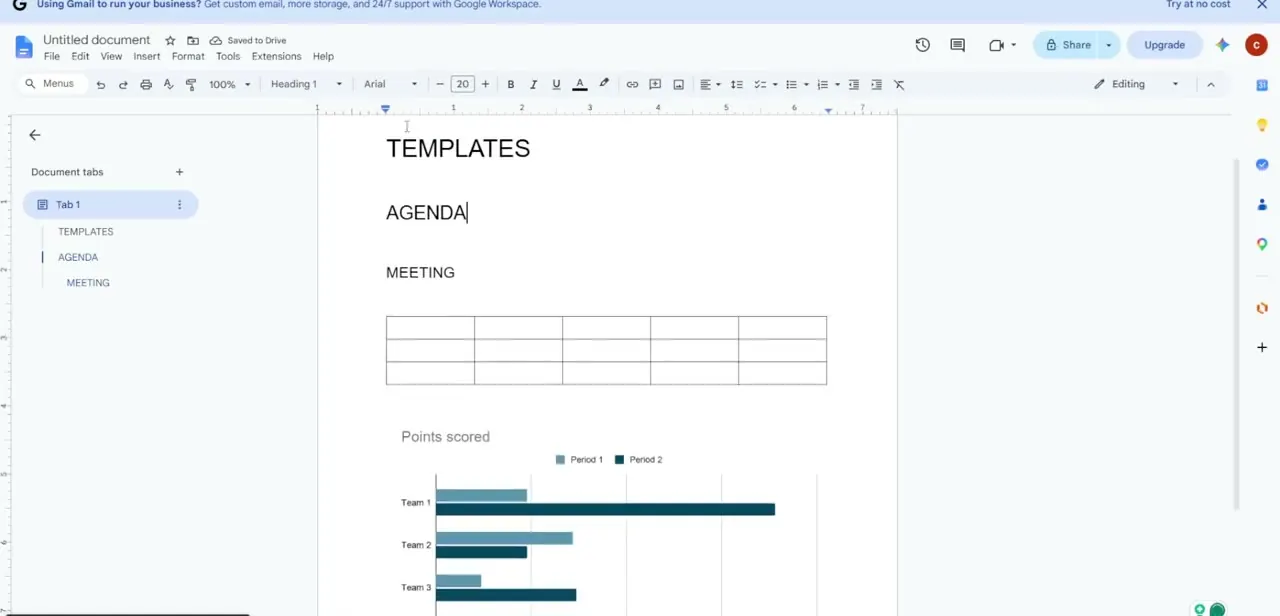
Wherever a future user needs to type their own information, mark it obviously — bracketed placeholder text like [Client Name] or [Date] works, and so do tables and charts left with sample data that's clearly meant to be replaced. Applying a distinct heading style, like the Heading 1 formatting shown when a section title is selected, keeps the placeholder structure visually separate from real body content so nobody mistakes a template field for finished text.
04Lock down sharing on the master file
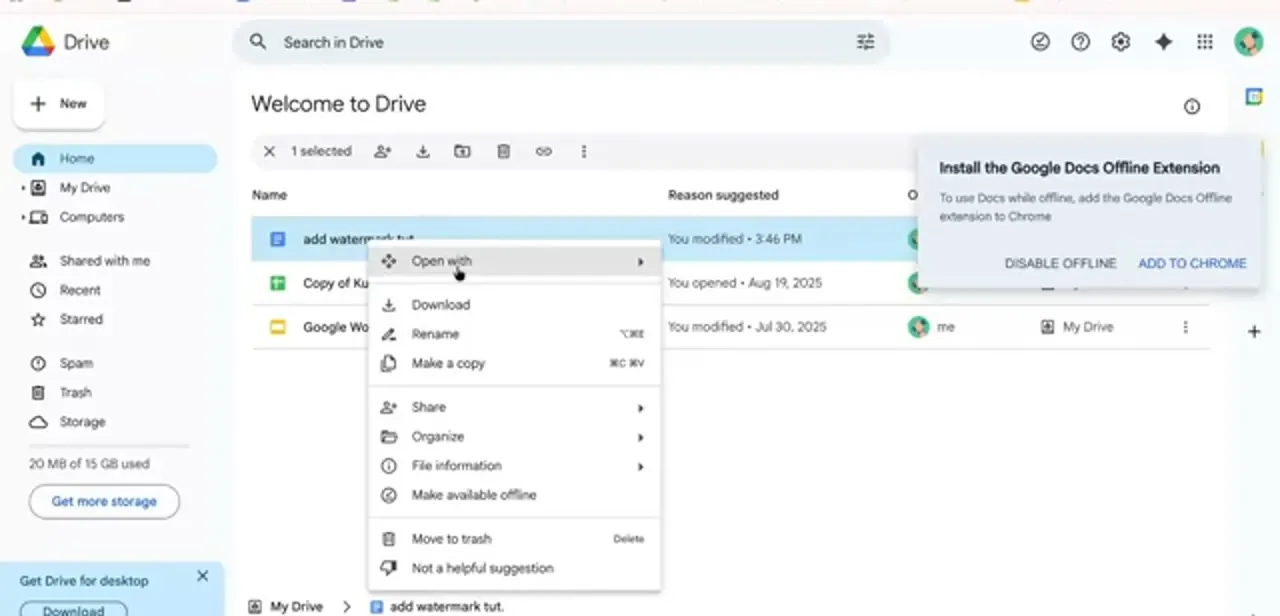
Click File, hover over Share, and set the baseline permission on your master document to view-only for anyone outside a small editing group. This is the single most important step for a template that's meant to be reused — without it, the first person who opens the file to "just check something" can accidentally overwrite your carefully built structure.
05Submit it to your organization's Template Gallery
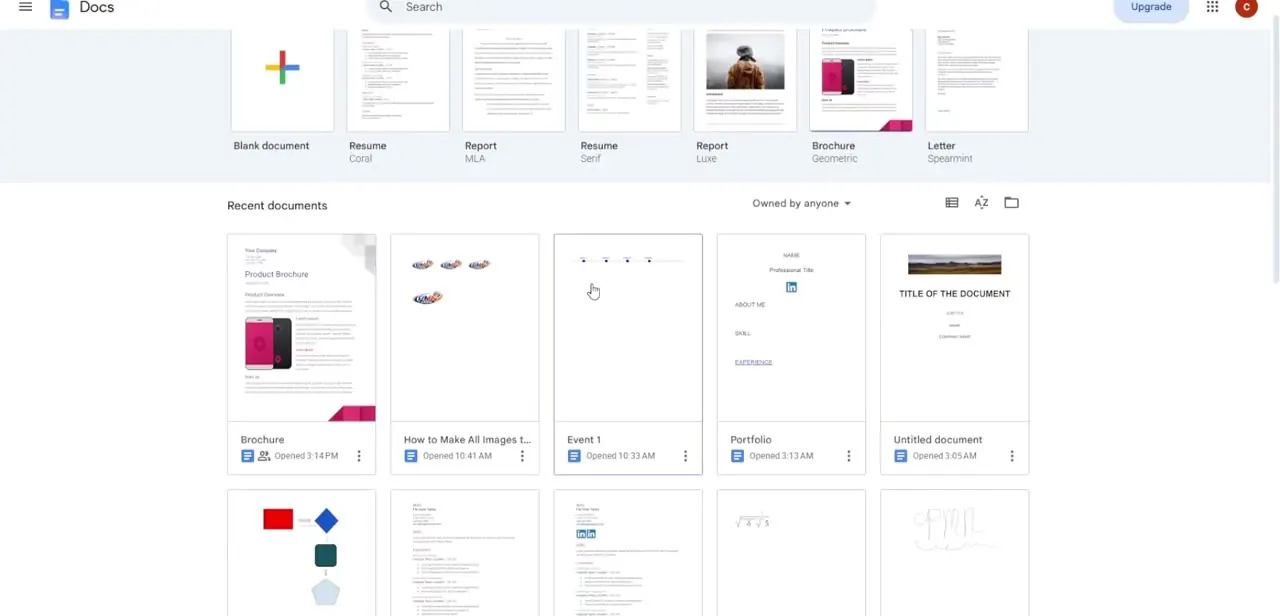
If your Google Workspace plan supports it, go to your Docs home screen, open the Template Gallery, select your organization's tab, and click Submit Template. Choose your master file from Drive, assign it an accurate category so coworkers can find it, and submit. Whether this option appears depends on your Workspace admin settings, so if you don't see it, that's worth checking with whoever manages your organization's account rather than assuming the feature is broken.
06Create a forced-copy link as a backup
Even without gallery access, you can share a template safely using a simple trick: take the document's normal URL, delete the word edit near the end, and replace it with copy. Anyone who opens that modified link is automatically prompted to duplicate the file into their own Drive rather than editing yours directly. It's a lightweight alternative to the gallery workflow and works for any file you have view access to, not just ones you own.
Frequently asked questions
What's the benefit of a force-copy link?
It automatically prompts anyone who opens it to duplicate the document into their own Drive instead of editing your original master file.
Can I use placeholder text instead of leaving fields blank?
Yes, bracketed placeholder text or sample data left in tables and charts helps future users know exactly what to replace.
Who can submit a template to the gallery?
This depends on your organization's Google Workspace settings, so check with your admin if the Submit Template option isn't visible to you.
Will editing the master template affect copies people already made?
No, once someone copies a document, it becomes an independent file that later changes to the master won't touch.
Why bother with Heading styles instead of just bold text?
Headings automatically populate the Document tabs outline sidebar, which lets anyone using your template jump straight to the section they need.
About the author

Impran M N
I've been hooked on technology for as long as I can remember — especially the new tools and AI apps that seem to land every other week. Easy Tech Tuts is where I write up whatever I've just worked out: I do the task in the real product, record the screen, and turn it into the guide I wish I'd found first.