 Easy Tech Tuts
How to Get Outlook QR Code Easily 2026
By Impran M N
Typing a long corporate password on a phone keyboard is tedious, and Outlook offers a faster way to link your mobile app to the account you already use on your computer. This guide starts from a plain Outlook web sign-in, walks through the account and settings areas where mobile pairing options live, and covers what to expect once you scan the code with your phone.
01Sign in at Outlook.com
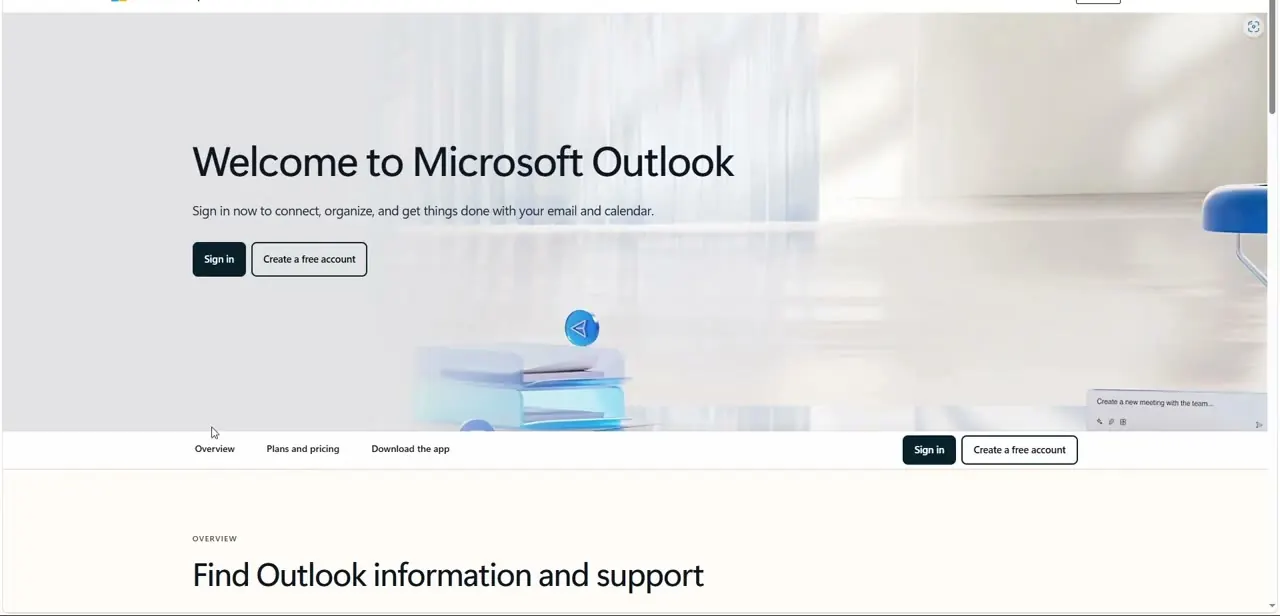
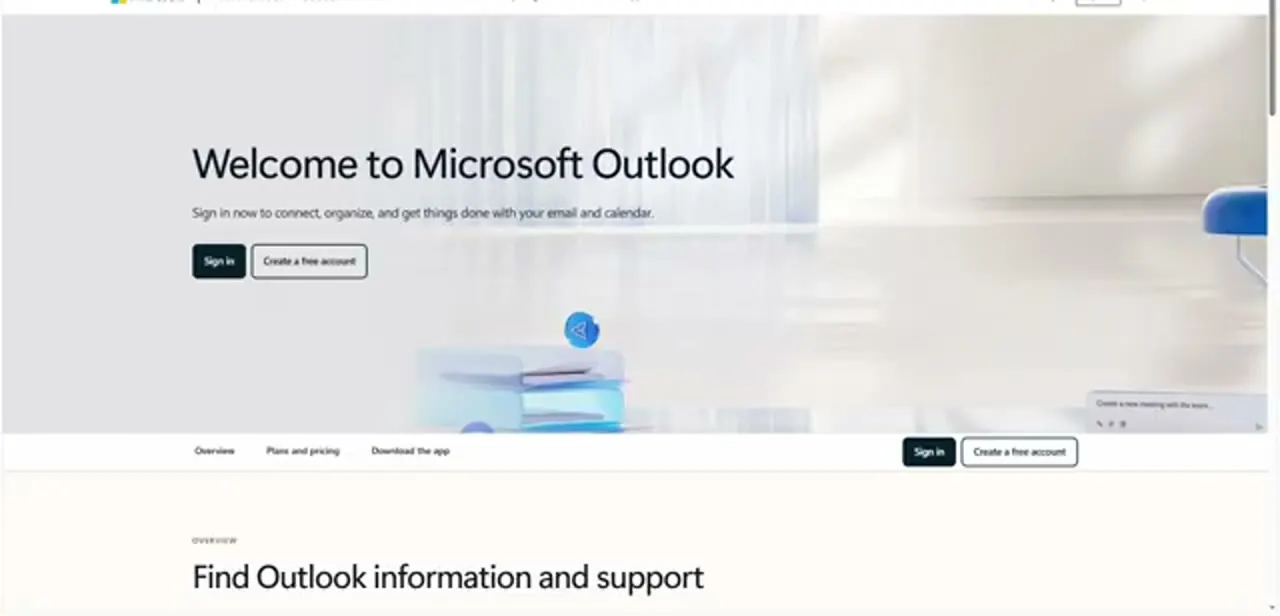
Everything starts from the Outlook web landing page, which greets you with "Welcome to Microsoft Outlook" and a Sign in button before it shows any mail. Use the same Microsoft account — personal or work — that you want your phone to connect to, since the pairing process links your mobile app to whichever account you're signed into at the time.
02Confirm you're in the right inbox
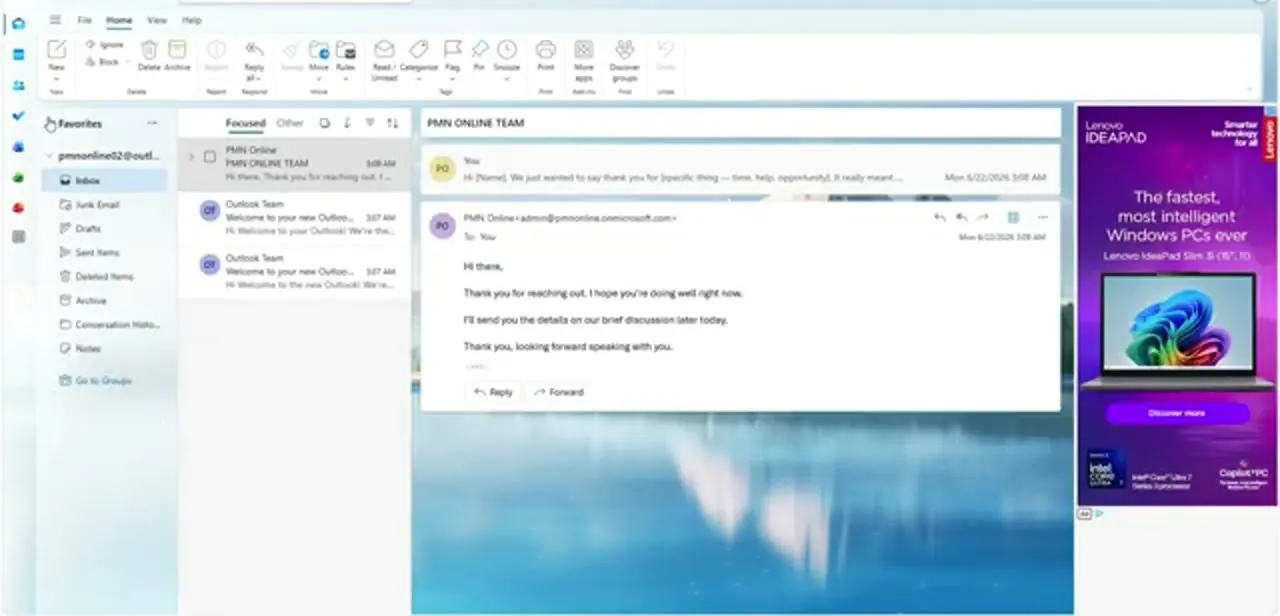
Once you're signed in, you land in your inbox with the Focused and Other tabs at the top and your folder list running down the left side. It's worth a quick glance here before going further, especially if you manage more than one Outlook account in the same browser, since the account switcher in the folder list makes it easy to end up pairing the wrong one by mistake.
03Open Settings
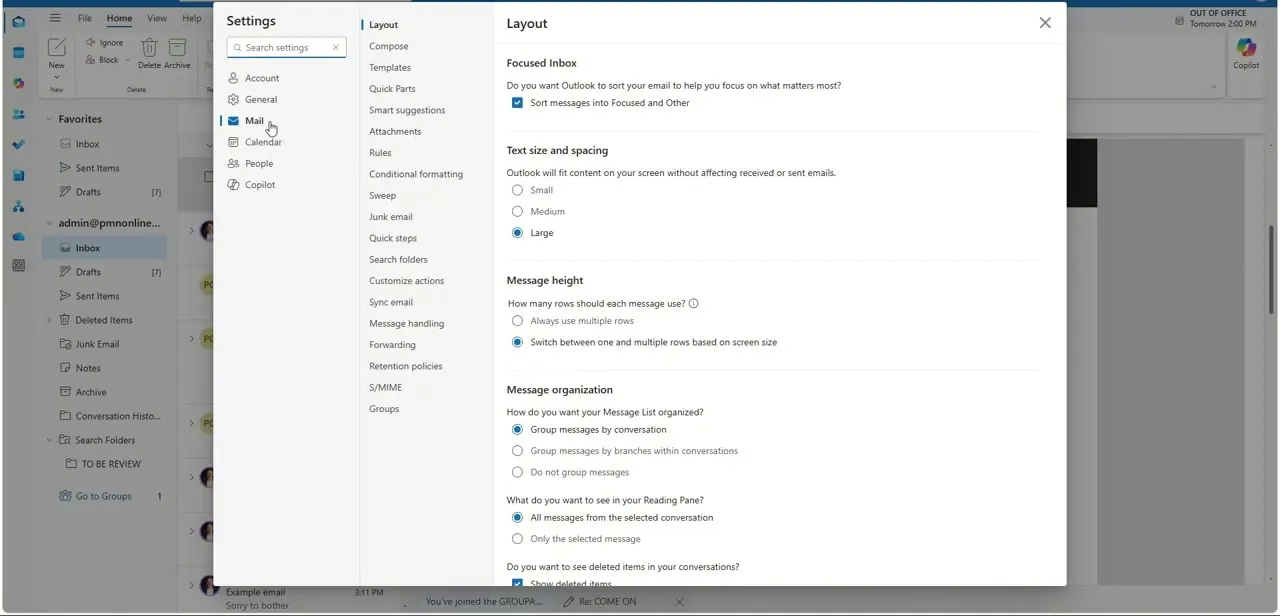
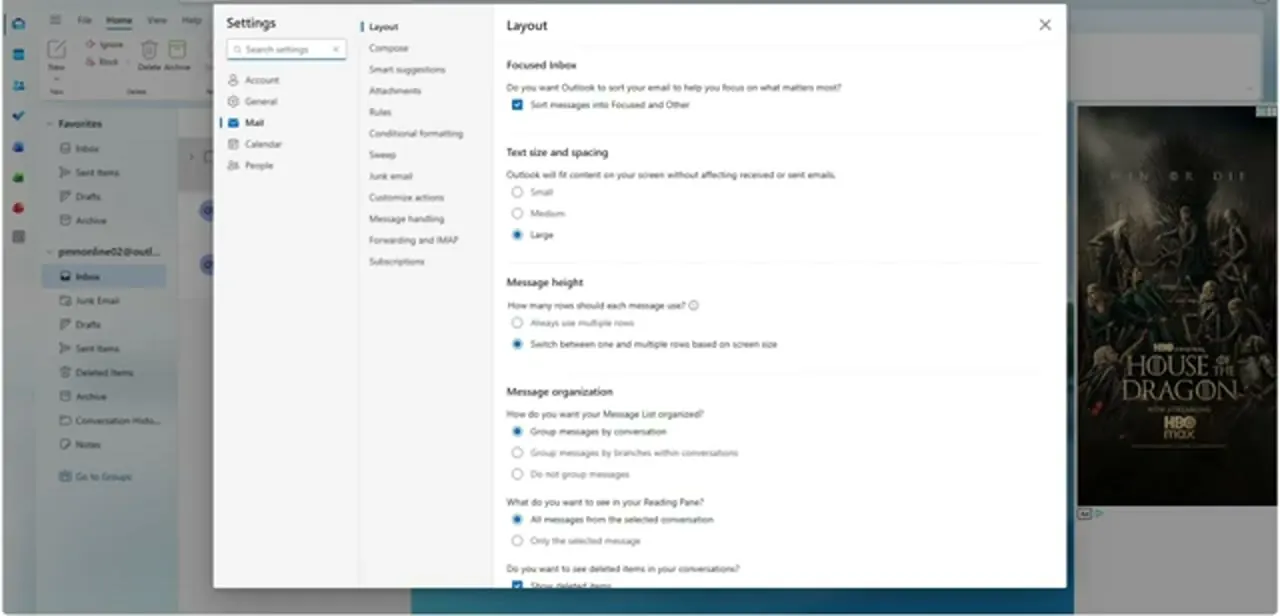
Mobile and account options in Outlook web live behind the gear icon, which opens a Settings panel split into a left-hand category list — Account, General, Mail, Calendar, People — and a detail pane on the right. This is the same panel you'd use for display and layout preferences, so if you've adjusted things like message density or focused inbox before, the layout will already be familiar.
04Check the Account section
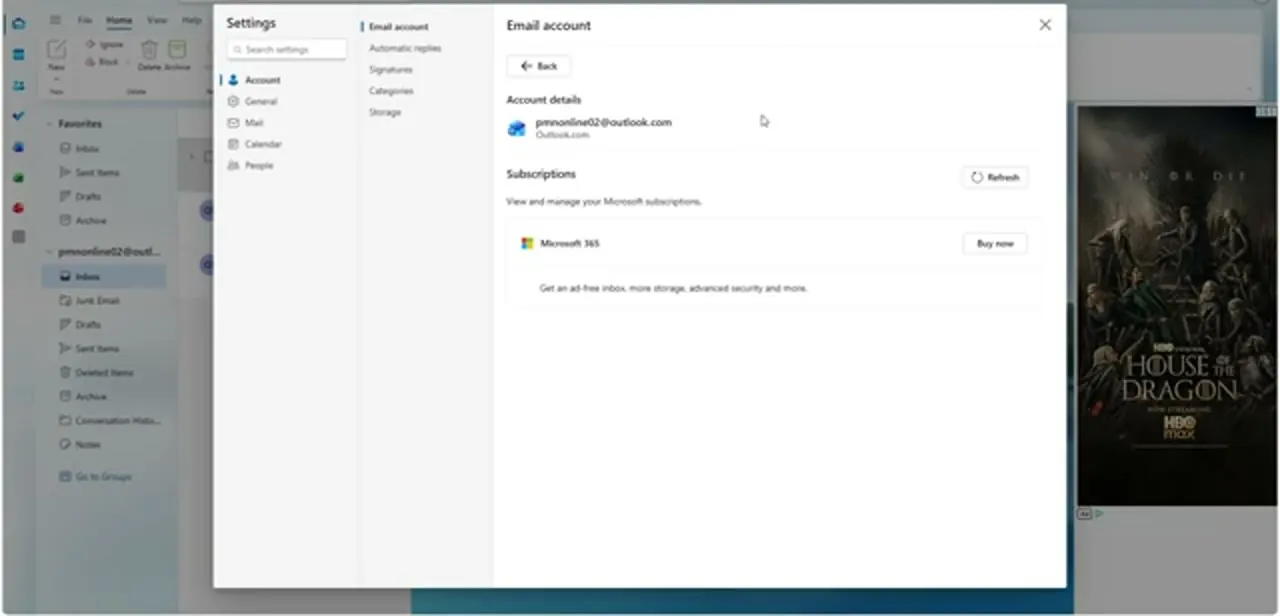
Click into Account to see your account details and any Microsoft subscriptions tied to that sign-in — this is the general area Outlook groups identity and connection-related settings under. From here, look for a mobile setup or "get the app" option; Microsoft has moved this control between the Account and General categories across updates, so if it isn't immediately visible, check both before assuming it's missing.
05Generate the QR code
Once you find the mobile setup option, selecting it opens a panel that generates a temporary QR code rather than reusing a static one — this is by design, since a code that never expired would be a lasting security risk if anyone ever saw your screen. Give the panel a moment to load before assuming it's stuck; cloud-sync codes like this can take a few seconds longer to generate than a typical settings screen.
06Scan it with the Outlook mobile app
On your Android or iPhone, open the Outlook app, tap the QR icon to wake the camera, and point it at the code on your computer screen. Accept the pairing prompt, and if your organization enforces multi-factor authentication, enter the verification code it sends before the sync completes. Once paired, check your phone's inbox to confirm your folders and any custom tags rendered correctly — if the code times out before you finish, just refresh the panel in Settings to generate a fresh one and try again.
Frequently asked questions
Does the QR code expire?
Yes, it's generated fresh each time and is time-limited. If the pairing sequence times out before you finish scanning, refresh the panel in Settings to generate a new code.
Is scanning the QR code more secure than typing a password?
It's designed as a convenient passwordless pairing method, though your organization may still require multi-factor verification on top of it for added security.
Where exactly is the mobile pairing option in Outlook web?
It's grouped with account and identity settings behind the gear icon — under the Account or General category depending on your current Outlook version, since Microsoft has relocated it between updates.
What if my phone's camera won't scan the code?
Make sure the Outlook mobile app has camera permission enabled and that your screen brightness is high enough for a clean scan; a dim or glare-heavy monitor is the most common cause of a failed scan.
Will my folders and tags sync after pairing?
Yes — after a successful pairing, open your phone's inbox and confirm your custom folders and tags appear the same way they do on the web.
About the author

Impran M N
I've been hooked on technology for as long as I can remember — especially the new tools and AI apps that seem to land every other week. Easy Tech Tuts is where I write up whatever I've just worked out: I do the task in the real product, record the screen, and turn it into the guide I wish I'd found first.