 Easy Tech Tuts
How to Copy and Paste From Claude AI Without Formatting Issues Easily 2026
By Impran M N
Pasting AI-generated text into reports or emails can scramble headings, bullet points, and bold text the moment it lands, which is a hassle when the document actually needs to look professional. The fix isn't a special export button — it's knowing which paste command your word processor offers and when to use each one.
This guide covers what Claude actually hands you when you copy a response, the specific paste options Google Docs gives you for handling that content, and how to apply the right one depending on whether you want Claude's formatting or your document's. It also covers what to check immediately after pasting, so a formatting mismatch gets caught in seconds instead of surfacing after you've already built more content on top of it.
01Know what you're copying out of Claude
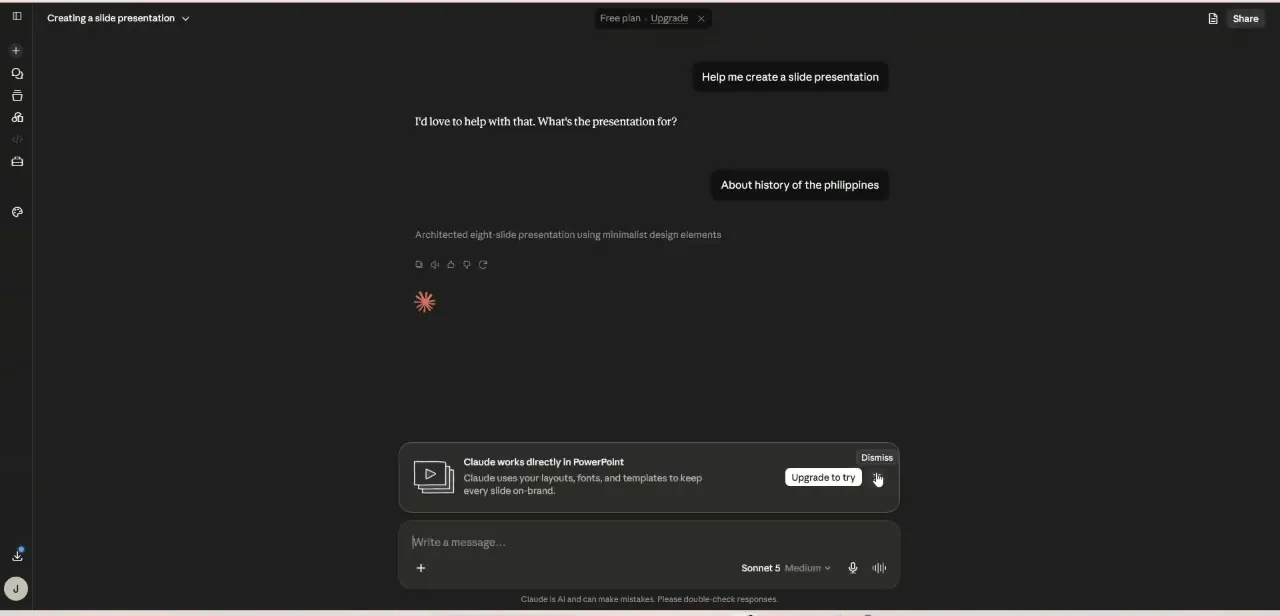
Claude's responses are built with real structure — headings, bullet lists, bold and italic text — rendered directly in the chat, not plain text with visual styling bolted on. When you select and copy a response, your clipboard carries that structure along with it, which is exactly why pasting it into a document doesn't always look like you expect: the destination app has to interpret that structure using its own rules, and those rules don't always match Claude's. This is true whether you're copying a short paragraph or a longer response with multiple headings and lists — the more structure a response has, the more there is for the destination app to potentially reinterpret differently.
02Right-click to see your actual paste options
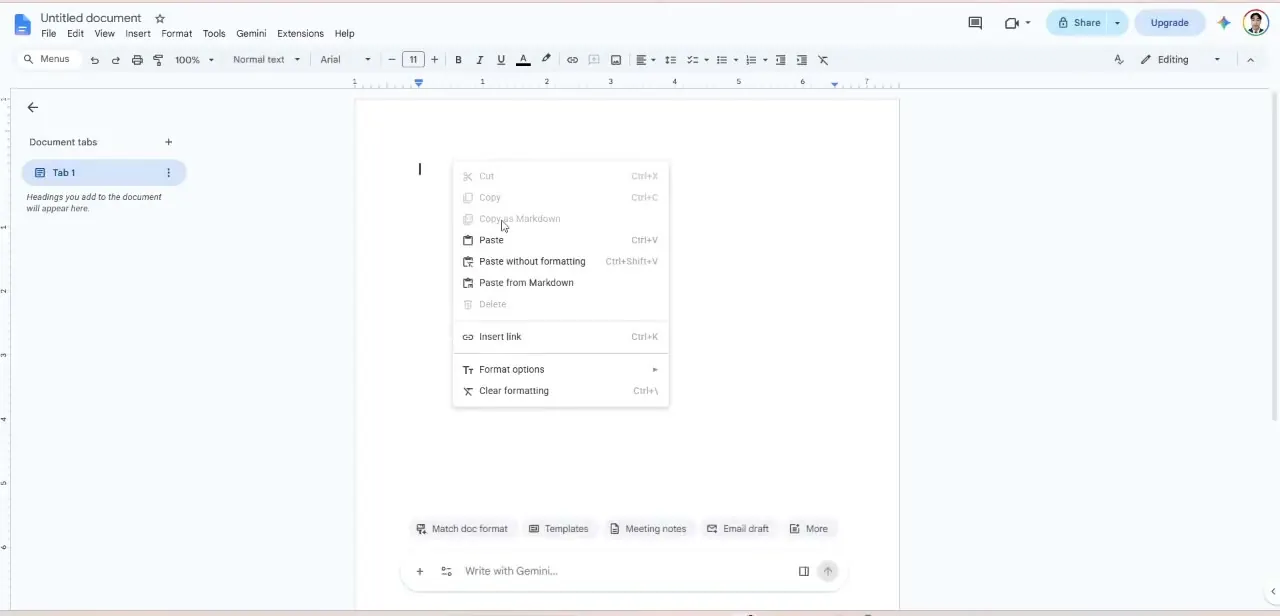
In Google Docs, right-clicking where you want to paste opens a menu with several distinct commands, not just one generic Paste. Alongside the standard Paste (Ctrl+V) and Copy, you'll see Paste without formatting (Ctrl+Shift+V), which strips Claude's styling and inserts plain text that inherits your document's existing formatting instead, and Paste from Markdown, which is the one to reach for if Claude's response includes markdown syntax like asterisks for bold or pound signs for headings that you want converted into real formatting rather than shown as literal characters.
03Choose the right command for what you're pasting
If you want Claude's headings, bold text, and lists to survive intact, use the standard Paste — this works well when your document is otherwise empty or when Claude's structure matches what you want. If you're dropping a short piece of text into an existing paragraph and don't want Claude's styling fighting with your document's own formatting, Paste without formatting is the safer default; it's the single most reliable fix for the scrambled-formatting problem most people run into.
Reserve Paste from Markdown for cases where Claude's raw markdown syntax shows up as literal symbols instead of rendered formatting. As a rule of thumb, if you're ever unsure which to use, Paste without formatting is the least likely option to leave you with something visibly broken.
04Check the result before you keep working
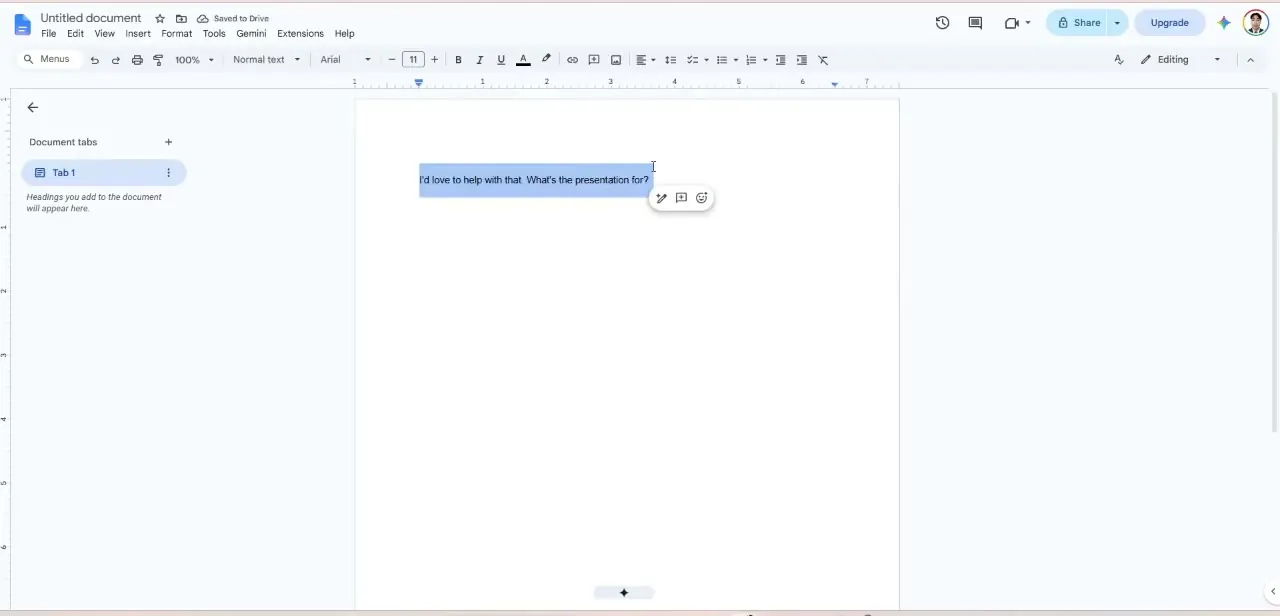
After pasting, select the inserted text and glance at the toolbar — font, size, and alignment should match the rest of your document unless you specifically wanted Claude's formatting preserved. This is the moment stray formatting reveals itself: an unexpected font size, leftover bullet indentation, or a heading style that doesn't match your document's other headings. Catching it here takes seconds; catching it after you've kept typing for another page means redoing formatting across content you've already built on top of it.
05Apply this to reports, decks, and marketing copy
The same paste-without-formatting habit matters most in documents where consistency is visible at a glance — client reports, slide decks, or marketing copy where a stray font size or unindented bullet stands out immediately to a reader. For slides specifically, paste into a text box rather than directly onto the canvas when possible, since text boxes tend to handle inherited formatting more predictably than dropping content straight onto a slide. For emails, plain-text paste is almost always the safer choice, since email clients are especially inconsistent about rendering inherited formatting across different recipients' inboxes.
06Build the habit for faster future copies
Once you know Ctrl+Shift+V (Cmd+Shift+V on Mac) is your default for pasting AI-generated text, this stops being a multi-step decision and becomes muscle memory. Reserve the full context-menu check for the first time you paste into a new type of document — a spreadsheet, an email client, a CMS — since each destination handles inherited formatting slightly differently, and it's worth confirming once rather than assuming it behaves like Google Docs.
Frequently asked questions
Why does formatting break when copying from Claude AI?
Claude's responses carry real structure — headings, bold text, lists — when copied, and the app you paste into has to reinterpret that structure using its own formatting rules, which don't always match what you see in the chat.
What's the fastest fix for formatting issues?
Use Paste without formatting (Ctrl+Shift+V on Windows, Cmd+Shift+V on Mac) instead of a standard paste. It strips Claude's styling and lets the pasted text inherit your document's existing formatting.
What's the difference between Paste and Paste from Markdown?
Standard Paste keeps Claude's rendered formatting intact. Paste from Markdown is for cases where Claude's response includes literal markdown syntax, like asterisks or pound signs, that you want converted into real formatting instead of shown as raw characters.
Does this work for any document type?
The core paste-without-formatting habit works across most word processors and even slide tools, though each app implements it slightly differently, so it's worth checking the first time you use it in a new one.
Who should care most about this?
Business professionals, content creators, and anyone regularly moving AI-generated text into reports, presentations, or marketing materials where a stray font or bullet indent is visibly distracting.
About the author

Impran M N
I've been hooked on technology for as long as I can remember — especially the new tools and AI apps that seem to land every other week. Easy Tech Tuts is where I write up whatever I've just worked out: I do the task in the real product, record the screen, and turn it into the guide I wish I'd found first.