 Easy Tech Tuts
How to Remove Yahoo Search From Google Chrome (Stop Browser Hijacking) Easily 2026
By Impran M N
If your Chrome address bar is suddenly handing every search over to Yahoo instead of Google, something on your machine changed that setting without asking you first — that's browser hijacking. It usually rides in on a bundled installer or a shady extension, and it doesn't just swap your search engine; it can also track queries, change your homepage, and push extra ads into your results.
None of this requires reinstalling Chrome or wiping your profile to fix. The fix takes a few minutes once you know exactly where Chrome hides its search engine list and how to tell the difference between disabling an unwanted engine and actually removing it. This guide walks through the real settings screen, shows you how to remove the unwanted entry for good, and covers what to check afterward so it doesn't quietly come back a week later.
01Recognize what browser hijacking actually changed
Before touching any settings, understand what happened: an extension, a bundled download, or a piece of adware quietly overwrote your default search engine, and possibly your homepage and new-tab page too. This isn't a Chrome bug — it's a deliberate change made by something you installed, often without a clear prompt buried inside an installer you clicked through too fast.
Symptoms include searches routing through Yahoo instead of Google, extra toolbars you don't remember adding, a new tab page that looks unfamiliar, and sometimes a noticeable increase in pop-up ads even on sites that normally don't show them. Knowing it's a settings change, not a virus embedded in Chrome itself, means the fix is entirely reversible through the browser's own menus — you don't need a specialized removal tool for the vast majority of these cases.
02Open Chrome's search engine settings
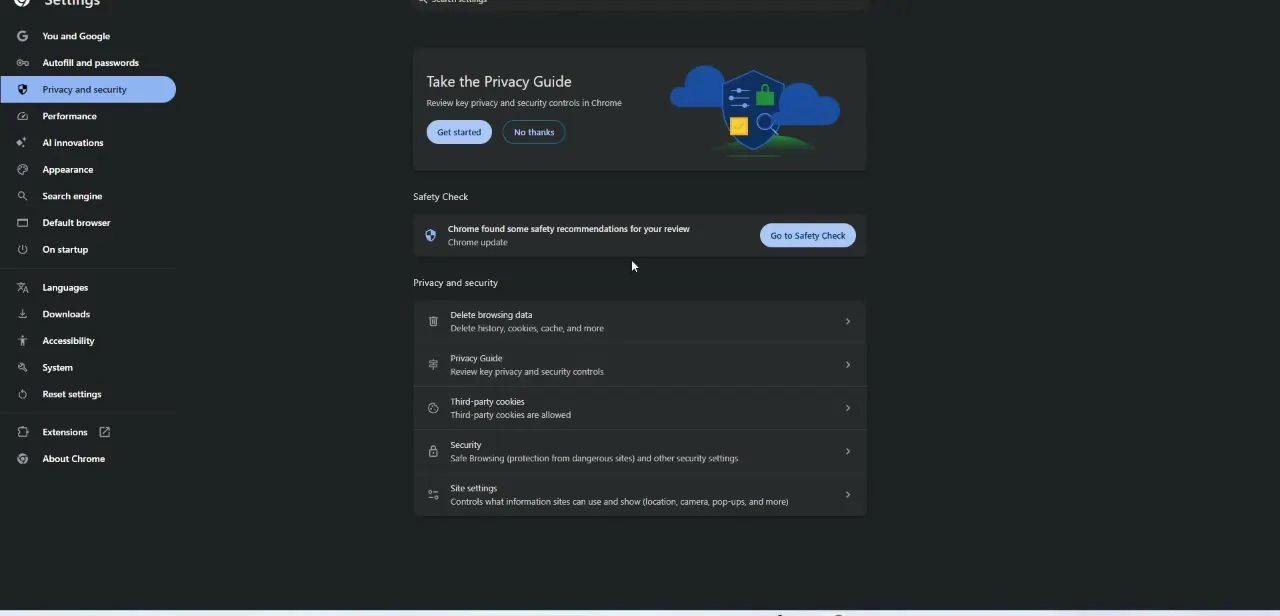
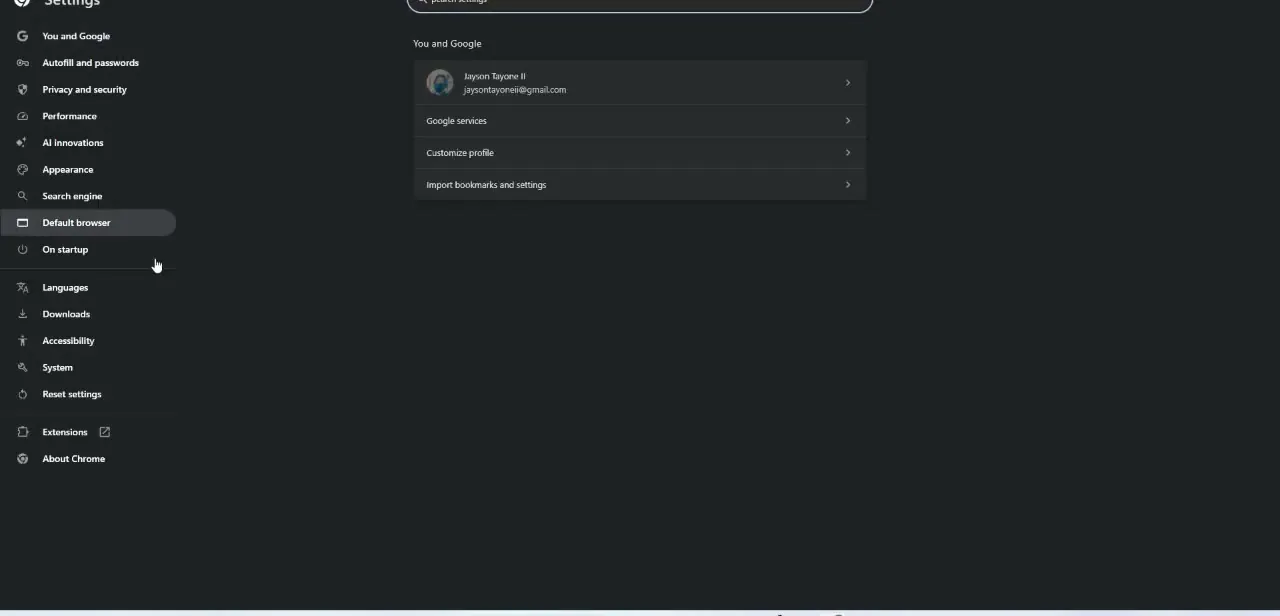
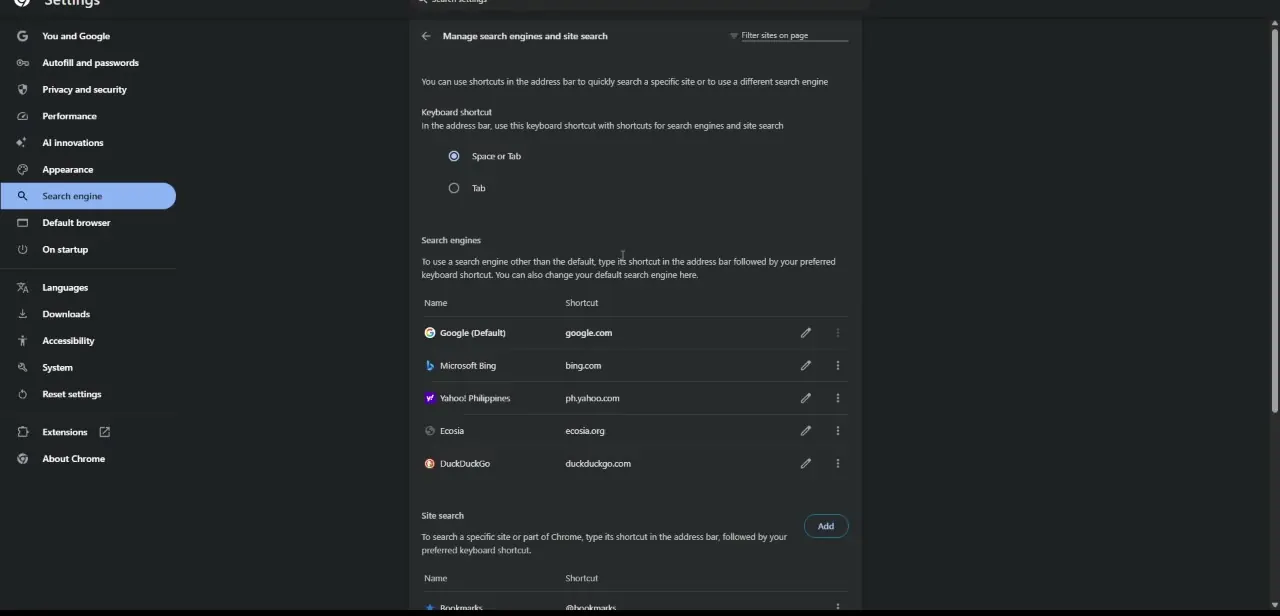
Go to Chrome's three-dot menu, choose Settings, then Search engine, and click into Manage search engines and site search. This is the page that controls every search provider Chrome knows about, and it's the one place you can permanently remove Yahoo rather than just switching away from it for one session.
The list on this screen shows each engine's name and its shortcut domain — Yahoo's entry typically appears with a regional domain like ph.yahoo.com, and it sits right alongside Google, Bing, Ecosia, and DuckDuckGo, plus whatever else got added along the way. It's worth scrolling through the whole list once, since a hijack sometimes drops more than one unwanted entry at a time.
03Delete the Yahoo entry and confirm Google as default
Find the Yahoo row in that list, click the three-dot icon next to it, and choose to remove it — this deletes the entry rather than just deselecting it, which matters because hijacking software sometimes resets a merely-deselected engine back to active the next time Chrome restarts. While you're on the page, click the three dots next to Google and set it as the default if it isn't already marked so, since some hijacks leave Google in the list but quietly demoted. Removing the Yahoo entry entirely, instead of just switching the default away from it, closes the door the hijacker used in the first place rather than papering over the symptom.
04Check extensions for the source of the hijack
Search-engine changes almost always trace back to a browser extension, so open chrome://extensions and scan the list for anything you don't recognize, especially items installed around the time the problem started. Toolbars promising PDF tools, coupon finders, weather widgets, and "search enhancers" are common offenders, and they often have generic, forgettable names designed to blend in with legitimate extensions.
Remove anything suspicious rather than just disabling it, since a disabled extension can sometimes still hold onto its settings changes and reactivate itself after a Chrome update. If you're not sure whether an extension is the culprit, removing it and checking whether the search engine list stays clean afterward is a fast way to confirm.
05Confirm the fix with a fresh search
Open a new tab and run a quick search to verify Google now handles it instead of Yahoo. Chrome's new-tab page itself is a good place to check, since it shows your active default search engine right in the search box before you even type anything.
If everything looks normal here — Google branding, no unexpected redirect, no strange toolbar sitting above the search box — the hijack has been fully reversed. It's worth repeating this check after closing and reopening Chrome once, since some hijacking software is designed to reassert itself specifically on browser restart.

06Run a full settings reset if the problem persists
If Yahoo keeps reappearing even after removing the extension and the search engine entry, Chrome's reset feature is the next step: go to Settings, then Reset settings, and choose Restore settings to their original defaults. This clears your homepage, new tab page, pinned tabs, and search engine back to Chrome's factory state without touching your saved passwords or bookmarks, and it's a stronger move against hijackers that modify settings in places the regular UI doesn't show clearly.
07Prevent the same thing from happening again
Most hijackers arrive bundled with free software installers, so always choose the custom or advanced install option and uncheck anything you don't recognize rather than clicking through the default install as fast as possible. Stick to extensions from Chrome's official Web Store, read the permissions an extension asks for before adding it — an extension that wants to "read and change all your data on websites you visit" for a simple PDF tool is a red flag — and periodically revisit your search engine settings to catch a change early if one slips through. A habit of checking that one settings page every couple of months is a lot less work than untangling a hijack after the fact.
Frequently asked questions
Why did my Chrome search engine change to Yahoo on its own?
This usually happens when a browser extension or bundled software installs itself and silently changes your default search settings — often during a free program install where you clicked through the default options.
Is removing Yahoo Search from Chrome permanent?
Yes, once you delete the entry from Manage search engines and remove the extension or software that added it, the change sticks unless the same source gets reinstalled.
Does resetting Chrome delete my bookmarks?
No. A standard Chrome settings reset restores defaults like the homepage and search engine but leaves your saved bookmarks untouched.
How can I stop browser hijacking from happening again?
Avoid downloading software from untrusted sources, always use the custom install option to decline bundled add-ons, and periodically check your search engine settings so you catch an unwanted change early.
Do I need antivirus software to remove a search engine hijack?
Not necessarily. Most search hijacks are just a settings change made by an extension, so removing the extension and cleaning up the search engine list in Chrome is usually enough; a security scan is a reasonable extra step if you're unsure what installed it.
About the author

Impran M N
I've been hooked on technology for as long as I can remember — especially the new tools and AI apps that seem to land every other week. Easy Tech Tuts is where I write up whatever I've just worked out: I do the task in the real product, record the screen, and turn it into the guide I wish I'd found first.