 Easy Tech Tuts
How to Add a Column in Airtable Easily 2026
By Impran M N
Airtable calls a column a "field," and that's not just naming — it's the reason Airtable can do more than a spreadsheet. Every field you add has a type, so instead of a plain cell you can add attachments, a single-select status tag, a linked record from another table, or a formula that calculates itself. This guide walks through opening a base, finding the control that adds a new field, and picking the right type for what you're actually tracking, so your grid stays structured instead of turning into a wall of unlabeled text.
01Open your workspace and pick a base
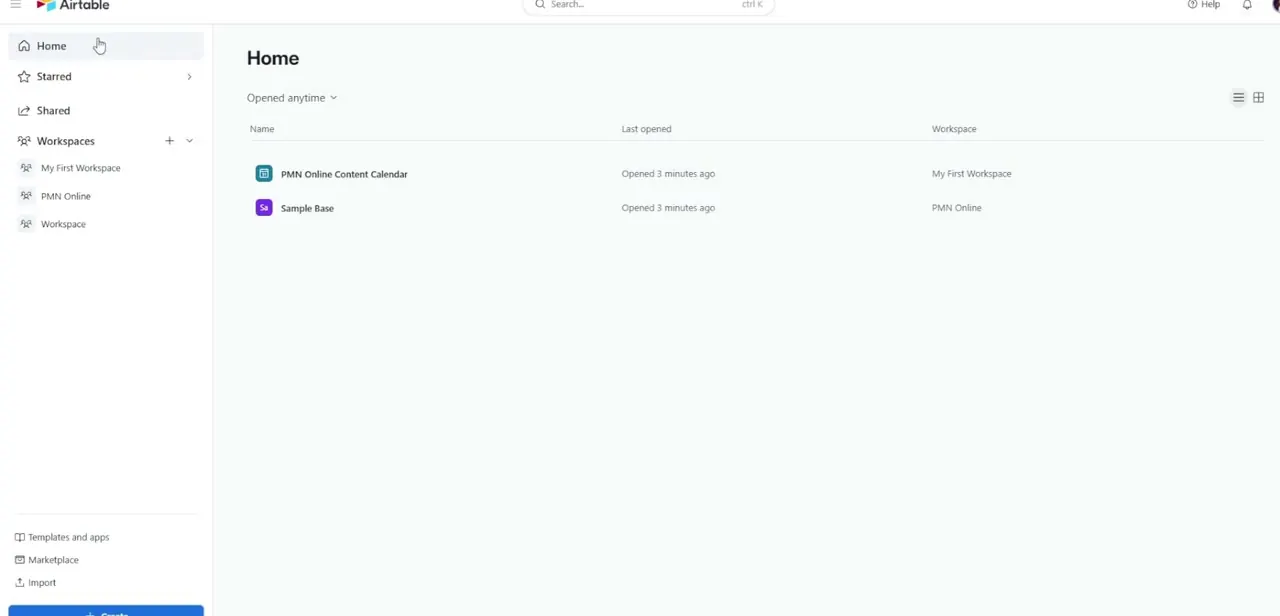
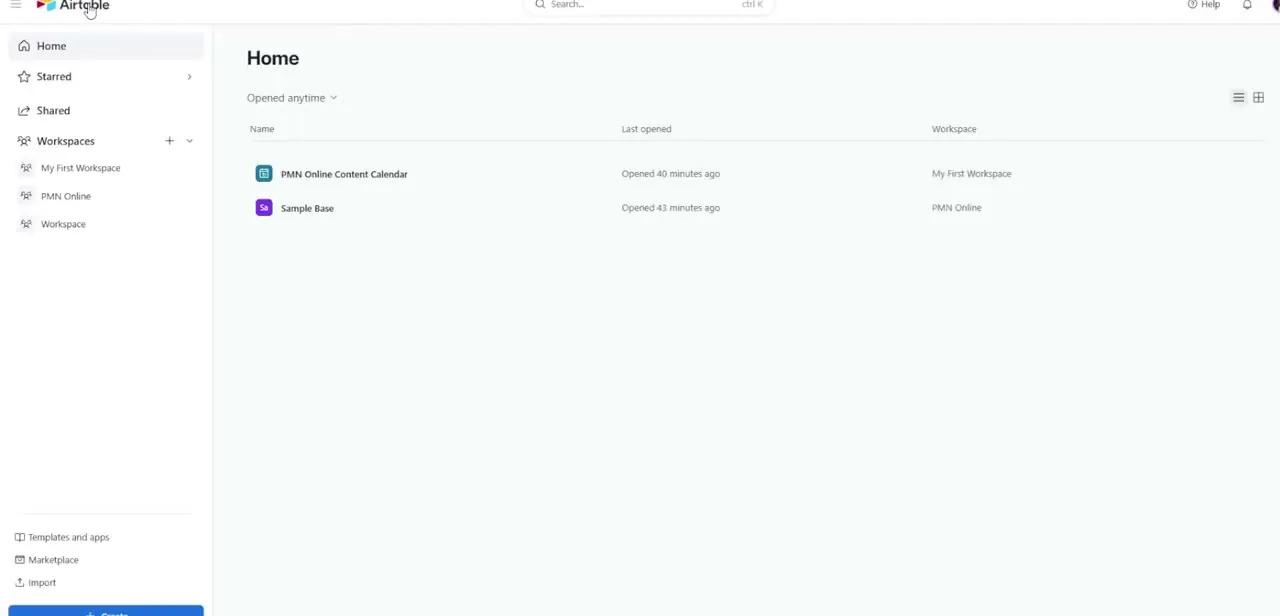
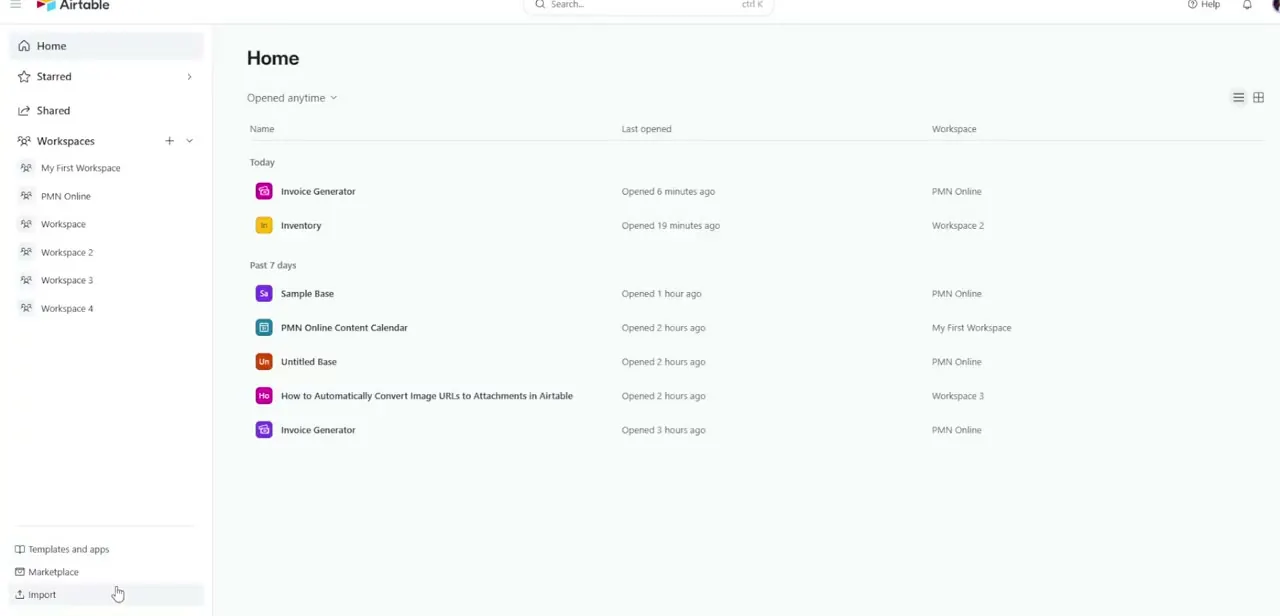
From Airtable's Home screen, you'll see every base you've opened recently grouped by workspace, along with when each was last touched. If you're working across a team account, note the Workspace column on the right — it tells you which shared workspace a base lives in before you click into it, which matters if you have similarly named bases in different workspaces. Click through to the base and table you want to edit.
02Scroll to the end of your existing columns
Inside the table, switch to Grid view if you aren't already there, then scroll horizontally past your last column. A plus icon sits at the far right edge of the header row, right after your last field — that's the add-column control, and it's easy to miss on a wide table since it's off-screen until you scroll.
03Open the field type picker
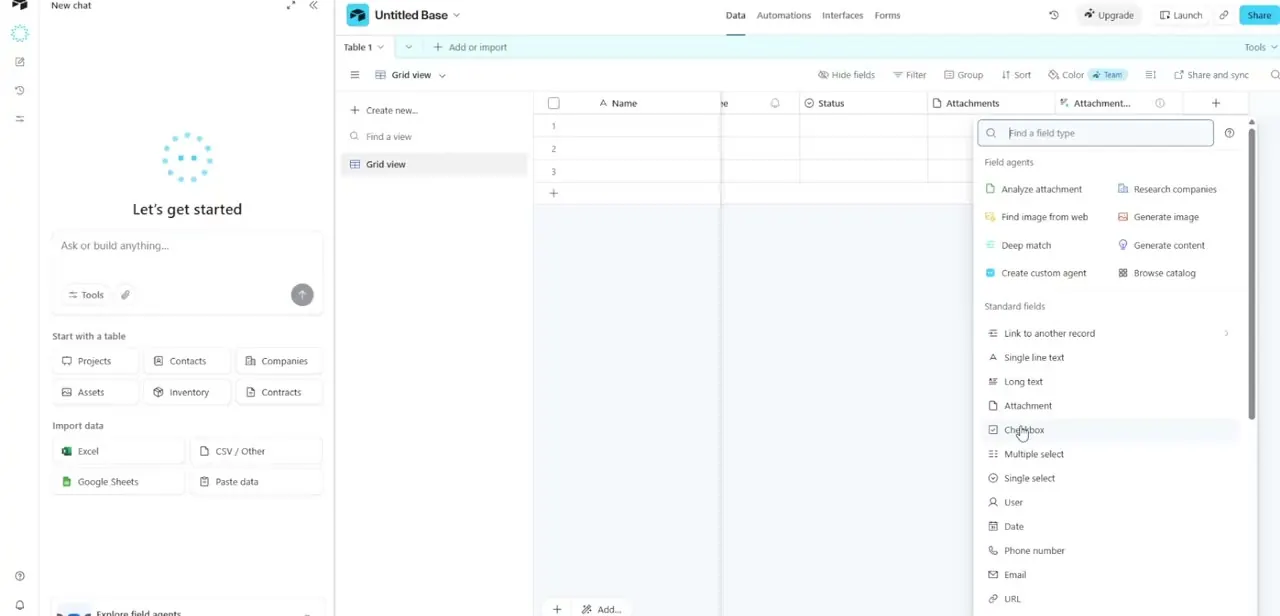
Clicking the plus icon opens a panel with a search box at the top labeled "Find a field type," and below it a long list of standard field types: Link to another record, Single line text, Long text, Attachment, Checkbox, Multiple select, Single select, User, Date, Phone number, Email, and URL, among others. There's also a separate "Field agents" section above the standard list for AI-assisted fields like generating an image or researching a company automatically — those are a different feature from a plain column and worth ignoring unless you specifically need automated enrichment.
04Name the column and choose its type
Type a clear column name at the top of the panel before you pick a type — it's easy to forget and end up with a field still called "Field 6." Then pick the type that matches the data you're actually storing: Single select for a fixed list like status or priority, Multiple select when more than one tag can apply at once, Attachment for files and images, and Long text for anything that won't fit in a single line. Picking the closest type up front saves you from reformatting every row later.
05Set type-specific options
Most field types unlock extra settings once selected. Single select and Multiple select let you predefine the exact options and colors so people pick from a list instead of typing free text that won't match later.
Date fields let you choose the display format and whether to include a time. Attachment fields don't need much configuration at all — they're ready to accept files as soon as you save.
06Save and reorder if needed
Click the save or create button to add the field to your live grid — it appears immediately for anyone else viewing the base too. If it doesn't land where you want it, drag the column header left or right to reposition it; this only changes its position in the current view, so other views of the same table can keep their own column order.
Frequently asked questions
What field types can I choose from in Airtable?
Airtable offers a wide library of standard field types including single line text, long text, attachments, single select, multiple select, checkbox, date, phone number, email, URL, and linked records to other tables.
Can I change a column's field type after creating it?
Yes, you can edit an existing field's type later, though converting between very different types may require reformatting the existing data.
How do I hide a column without deleting it?
You can hide fields from a specific view without removing the underlying data, which keeps your grid focused while preserving the column for other views.
Is there a limit to how many columns I can add?
Airtable allows a large number of fields per table, though very high field counts can affect performance depending on your plan.
What's the difference between a standard field and a 'Field agent'?
Standard fields like text, select, and date store data you enter directly. Field agents are AI-assisted fields that can automatically research, generate, or analyze content for you, and they sit in a separate section of the same field-type panel.
About the author

Impran M N
I've been hooked on technology for as long as I can remember — especially the new tools and AI apps that seem to land every other week. Easy Tech Tuts is where I write up whatever I've just worked out: I do the task in the real product, record the screen, and turn it into the guide I wish I'd found first.