 Easy Tech Tuts
How to Check Keyword Ranking in Semrush Easily 2026
By Impran M N
Before you set up dedicated tracking for a handful of target keywords, it helps to see the full picture first — every keyword a domain already ranks for, its position, and how much traffic it's pulling. Semrush's Organic Rankings report does exactly that from a single domain lookup, no keyword list required upfront. This guide walks through getting from a plain domain search to a full ranking table, reading the columns that actually matter, and knowing when to graduate to ongoing Position Tracking.
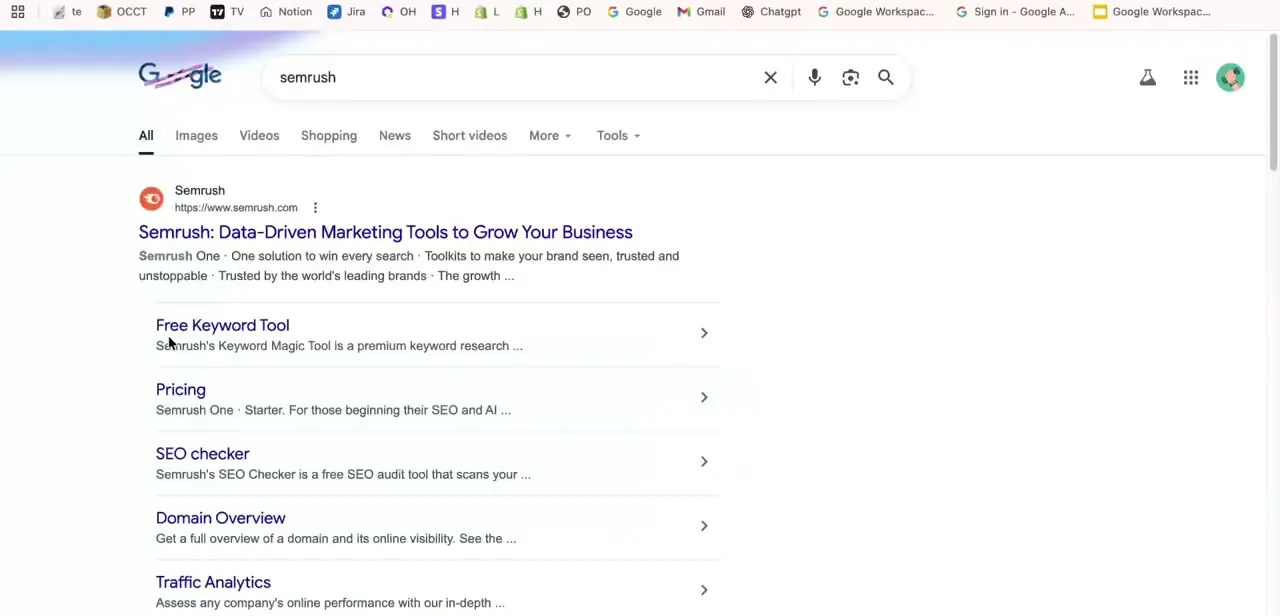
01Search for Semrush and open the platform
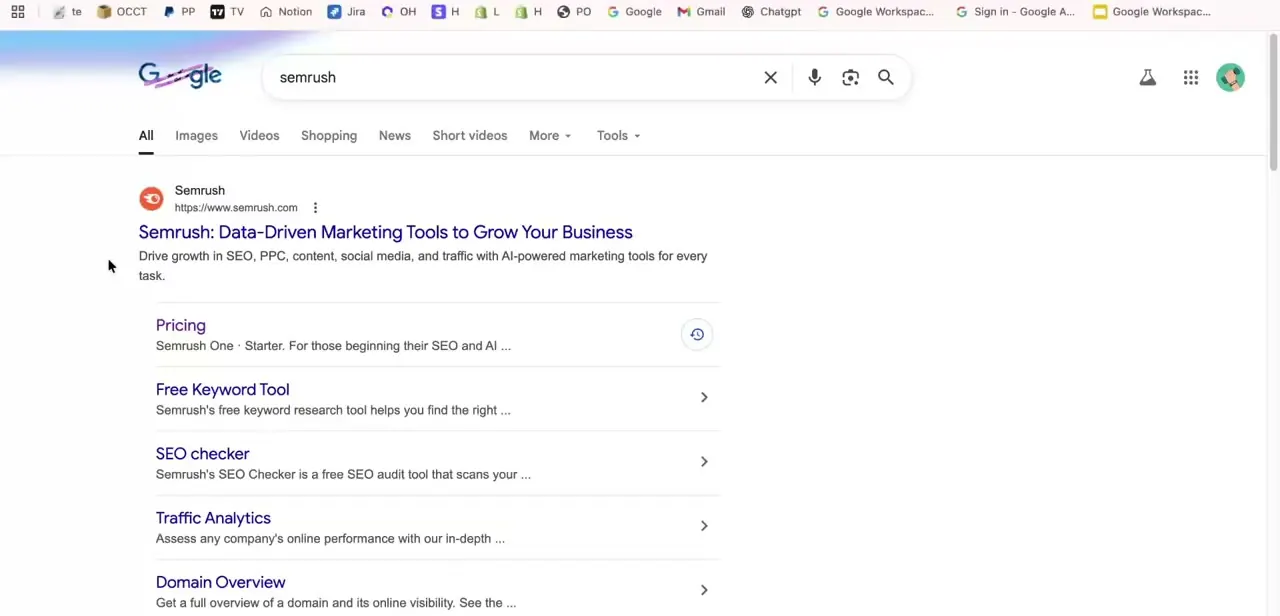
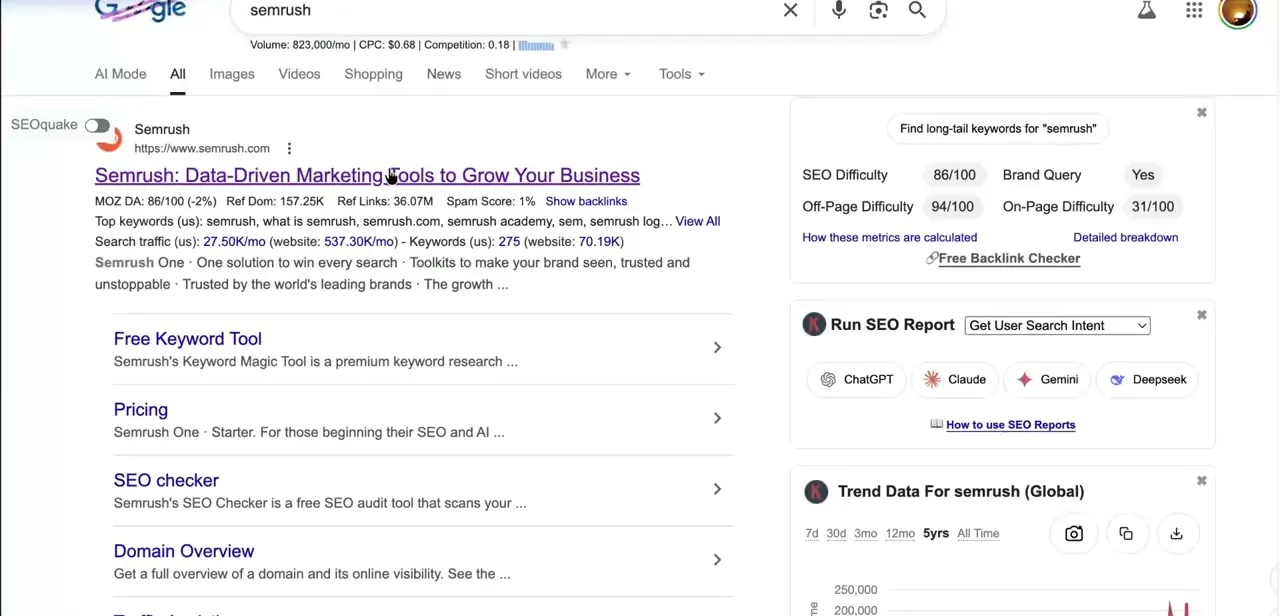
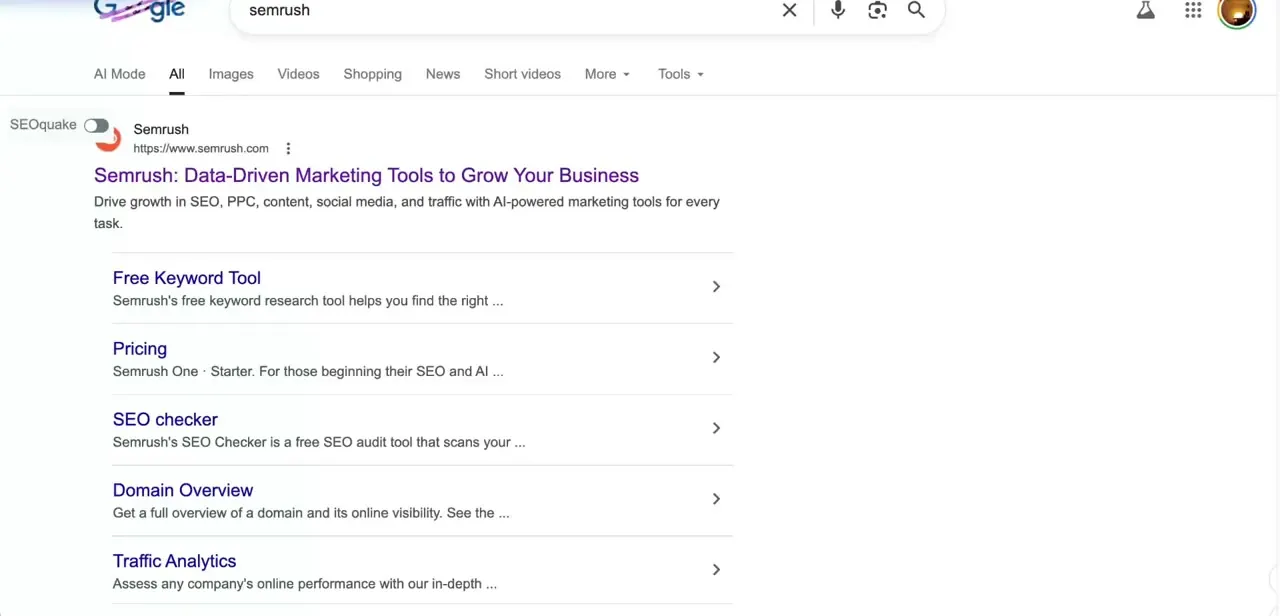
A quick search for "semrush" gets you to the official site fastest, with Google often surfacing direct links to tools like the Free Keyword Tool, SEO checker, and Domain Overview right under the main result. Log in or sign up, since ranking data requires an account even on the free tier.
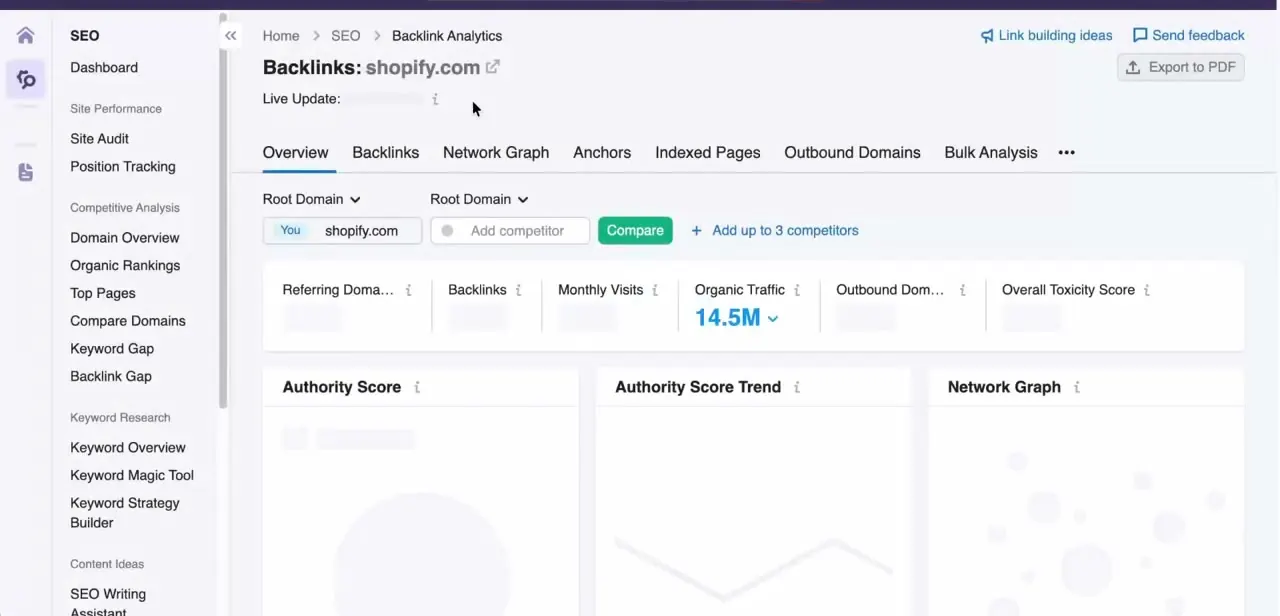
02Enter your domain and land in the SEO toolkit
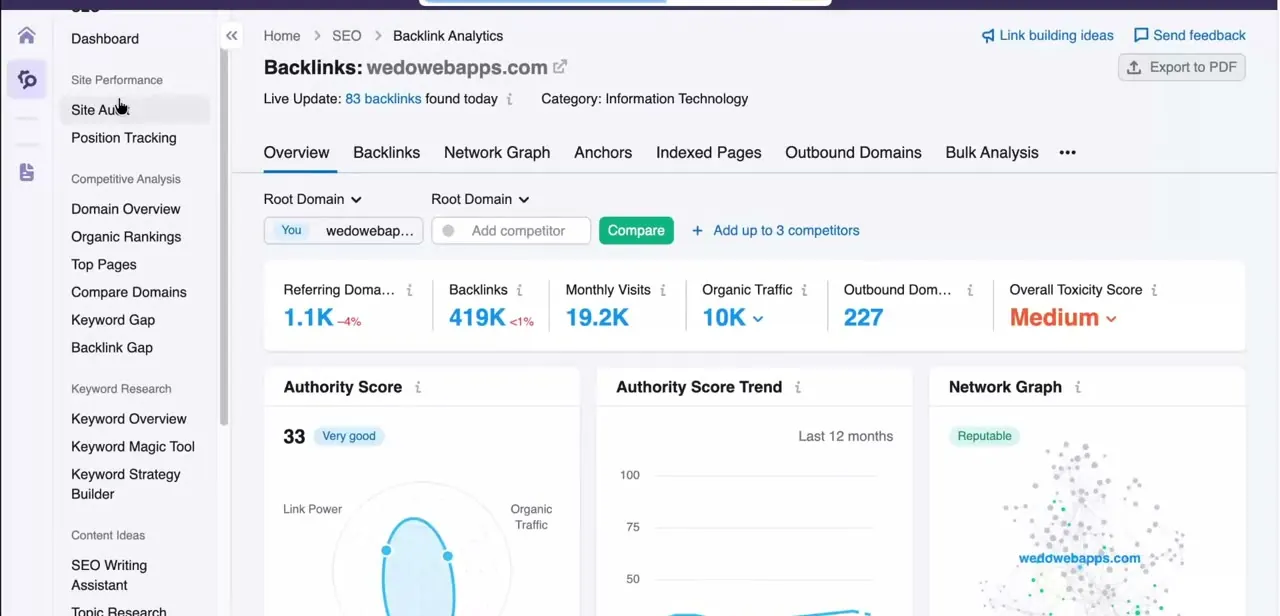
Type your domain into Semrush's search bar to open its domain overview — you'll land on a dashboard with the full SEO toolkit sidebar on the left, covering Site Audit, Position Tracking, Domain Overview, Organic Rankings, and more, plus summary cards up top for Authority Score, referring domains, backlinks, and monthly visits. This overview is a useful gut-check on the domain's overall strength before you drill into individual keywords.
03Open Organic Rankings for the full keyword list
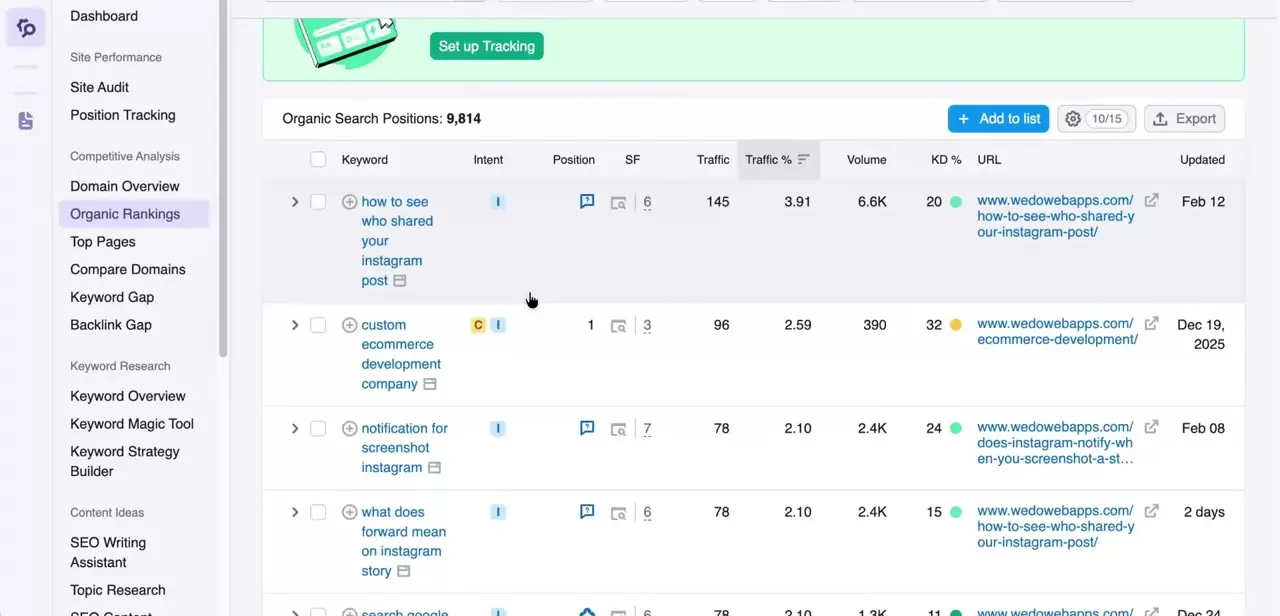
Click Organic Rankings in the sidebar under Competitive Analysis to see every keyword the domain currently ranks for organically — in a mid-size site this can easily run into the thousands, shown as a running total at the top of the report. This is the fastest way to answer "what am I ranking for right now" without having to know your keywords in advance.
04Read the Position, Volume, and KD columns
Each row shows the keyword, its current ranking Position, the percentage of Traffic it drives to the site, monthly search Volume, and Keyword Difficulty (KD%) — together these tell you not just where you rank, but whether ranking higher would actually be worth the effort. A keyword sitting at position 78 with high volume and low KD is a much better target for optimization than one at position 1 with only a handful of monthly searches.
05Sort and filter to find what matters
Click any column header to sort — sorting by Position ascending surfaces your strongest rankings first, while sorting by Volume descending highlights your highest-opportunity keywords regardless of where they currently sit. Use the search and filter controls above the table to narrow down to a specific keyword theme or URL if the full list is too broad to scan usefully.
06Move keywords into Position Tracking
The Organic Rankings report is a snapshot, refreshed periodically rather than continuously, and it's not built for watching day-to-day movement on a specific set of terms. For that, use the "Set up Tracking" option visible above the report to add your priority keywords into Position Tracking, which monitors those specific terms over time and can be filtered by country and device.
07Add competitor domains for comparison
Both the Organic Rankings report and Position Tracking let you add competitor domains alongside your own, so you can see at a glance whether a keyword you're targeting is one a competitor already owns, and by how much. This context turns a plain rankings table into an actual prioritization tool instead of just a list.
Frequently asked questions
How often does Semrush update keyword rankings?
Position Tracking typically refreshes ranking data on a regular schedule, though exact frequency can depend on your plan and campaign settings.
Can I track rankings for specific countries?
Yes, Position Tracking lets you filter and monitor rankings by country and device to get location-specific results.
Can I see how my competitors rank for the same keywords?
Yes, both the Organic Rankings report and Position Tracking let you add competitor domains so you can compare their keyword positions against your own.
Is Organic Rankings different from the Position Tracking tool?
Yes — Organic Rankings shows a snapshot of everything a domain already ranks for with no setup required, while Position Tracking monitors a specific list of keywords you choose over time.
About the author

Impran M N
I've been hooked on technology for as long as I can remember — especially the new tools and AI apps that seem to land every other week. Easy Tech Tuts is where I write up whatever I've just worked out: I do the task in the real product, record the screen, and turn it into the guide I wish I'd found first.