 Easy Tech Tuts
How to Write Off an Outstanding Invoice in QuickBooks Online Easily 2026
By Impran M N
Not every invoice gets paid. A customer closes their account, a debt goes stale, or collections simply aren't worth pursuing anymore — and when that happens, leaving the invoice sitting open overstates your accounts receivable and skews your profit and loss.
QuickBooks Online doesn't have a single "write off" button; instead it uses a credit memo tied to a Bad Debt product to zero out the balance while keeping a clean paper trail. This guide walks through that exact process from the QuickBooks Online homepage, so you can close out an uncollectible invoice correctly instead of just ignoring it.
01Start from the QuickBooks Online homepage
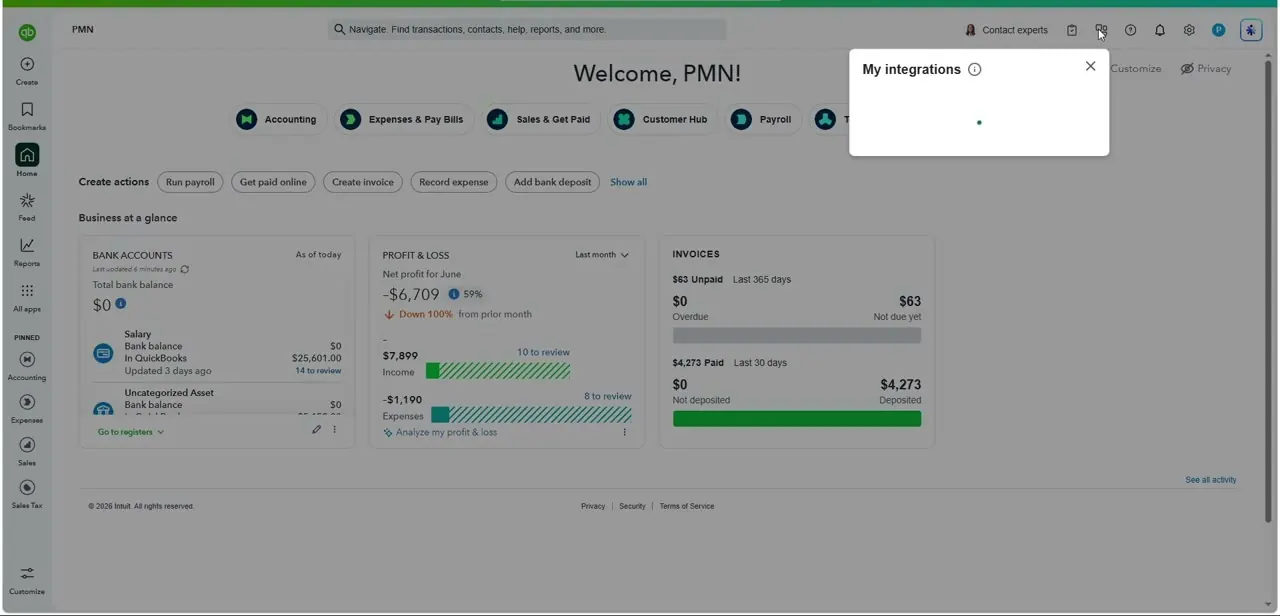
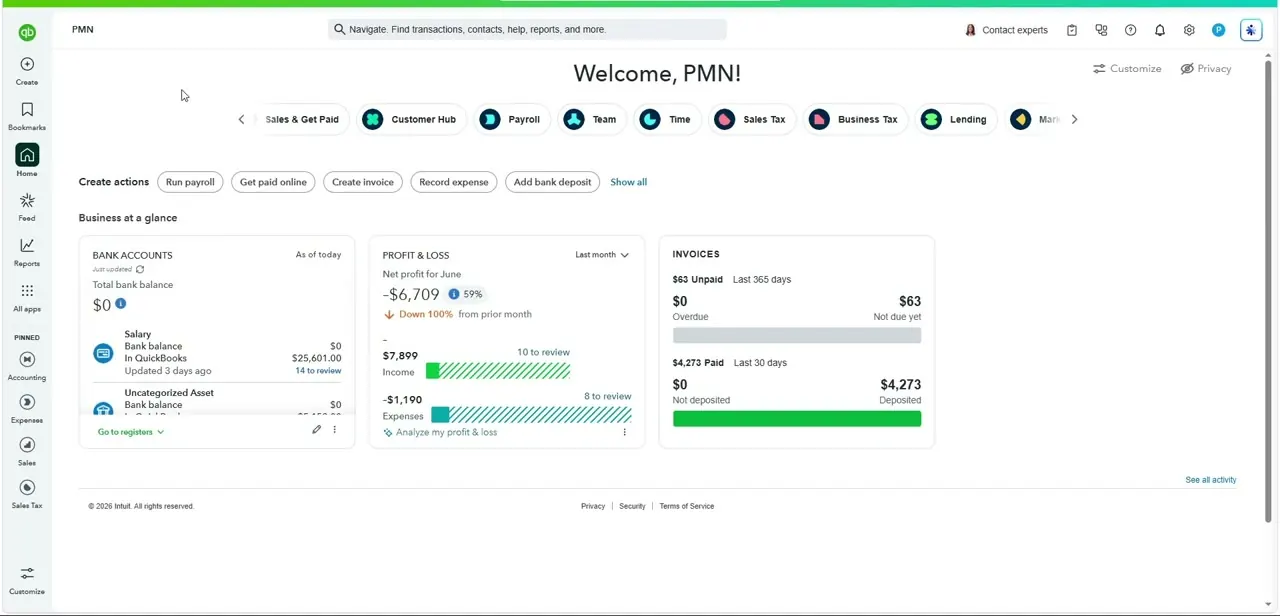
Log into QuickBooks Online and you'll land on the Business overview, with bank balances, profit and loss, and unpaid invoices summarized right on the dashboard. This is also where you can see the scale of the problem before you start: the Invoices card shows what's unpaid, overdue, and not yet due, broken out separately.
Before writing anything off, it's worth glancing at this summary so you know whether you're dealing with one stray invoice or a pattern worth addressing with a customer. From here, everything you need lives under the Sales menu on the left.
02Understand why a credit memo does the write-off
QuickBooks Online treats a write-off as a credit applied against an open invoice, not a deletion. That matters because deleting the invoice would erase the record entirely, while a credit memo keeps the original sale on the books and simply offsets it — which is what your accountant and any audit trail actually need.
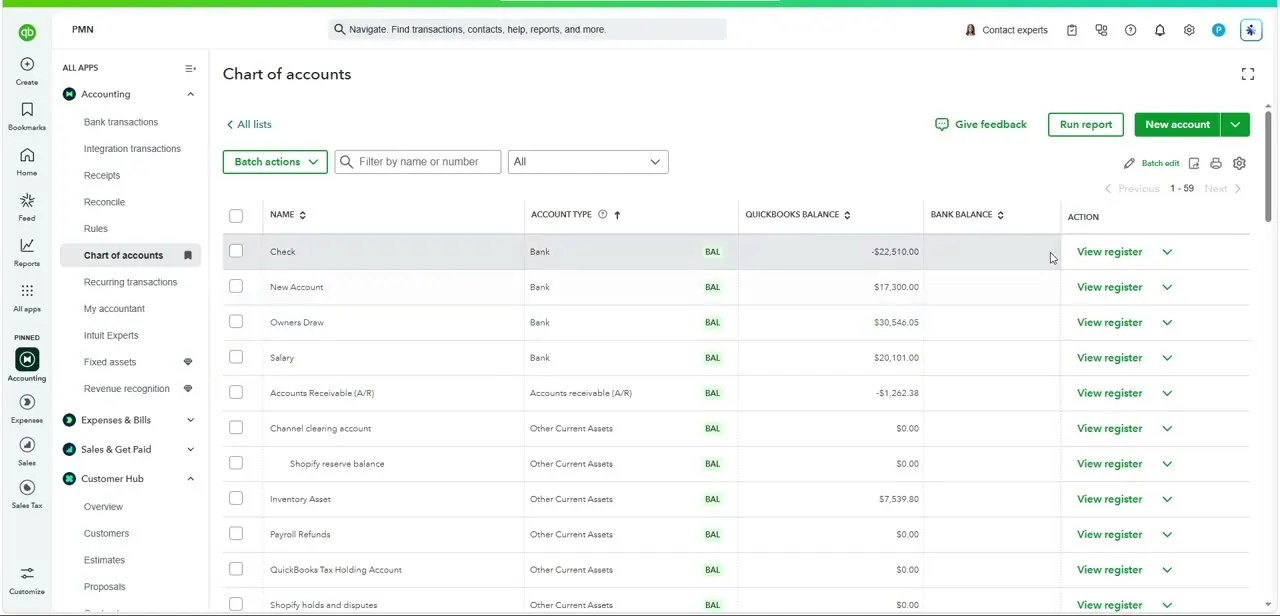
Before creating the credit, set up a "Bad Debt" product or service item in your chart of accounts if you don't already have one, mapped to a Bad Debt Expense account. That item is what makes the credit memo represent a write-off rather than a discount or a refund.
03Create a credit memo for the invoice amount
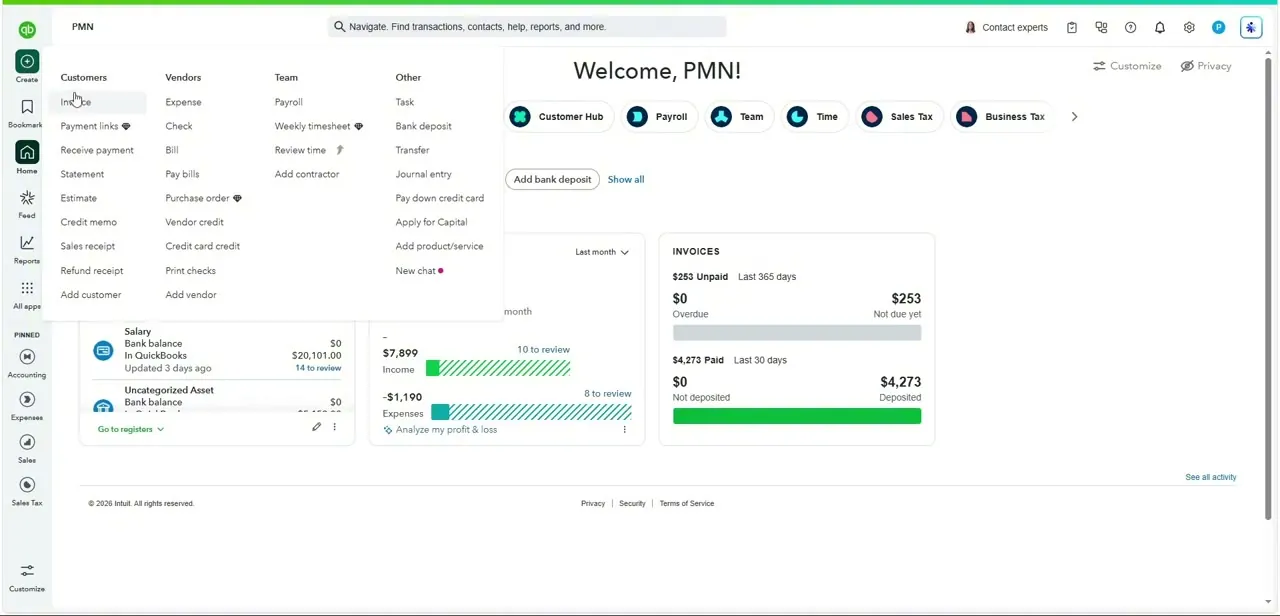
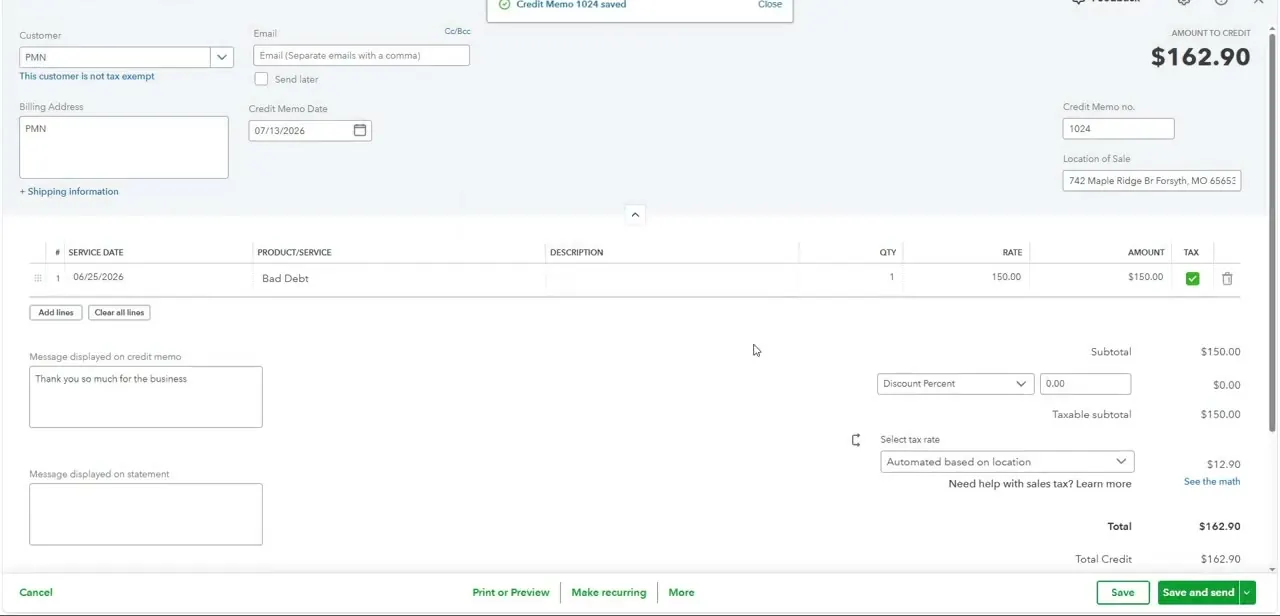
From the Sales menu, start a new credit memo and select the customer tied to the outstanding invoice. In the line items, choose the Bad Debt product or service you set up, and enter the amount — either the full remaining balance or a partial figure if you're only writing off part of it.
Add a note in the message field for your own records, since "why was this written off" is exactly the question you'll get asked later. Save the credit memo once the amount matches what you intend to forgive.
04Apply the credit against the open invoice
Saving the credit memo creates an available credit on the customer's account, but it doesn't automatically clear the invoice — you still have to apply it. Open the original invoice, or use Receive Payment, and apply the credit memo as the payment method against the outstanding balance.
Once applied, the invoice's remaining balance drops by the credited amount; a full write-off brings it to zero, while a partial one leaves the rest still owing. QuickBooks confirms the save with a banner at the top of the screen, and the credit memo itself displays its total and tax breakdown so you can double-check the math before moving on.
05Confirm the invoice status has updated
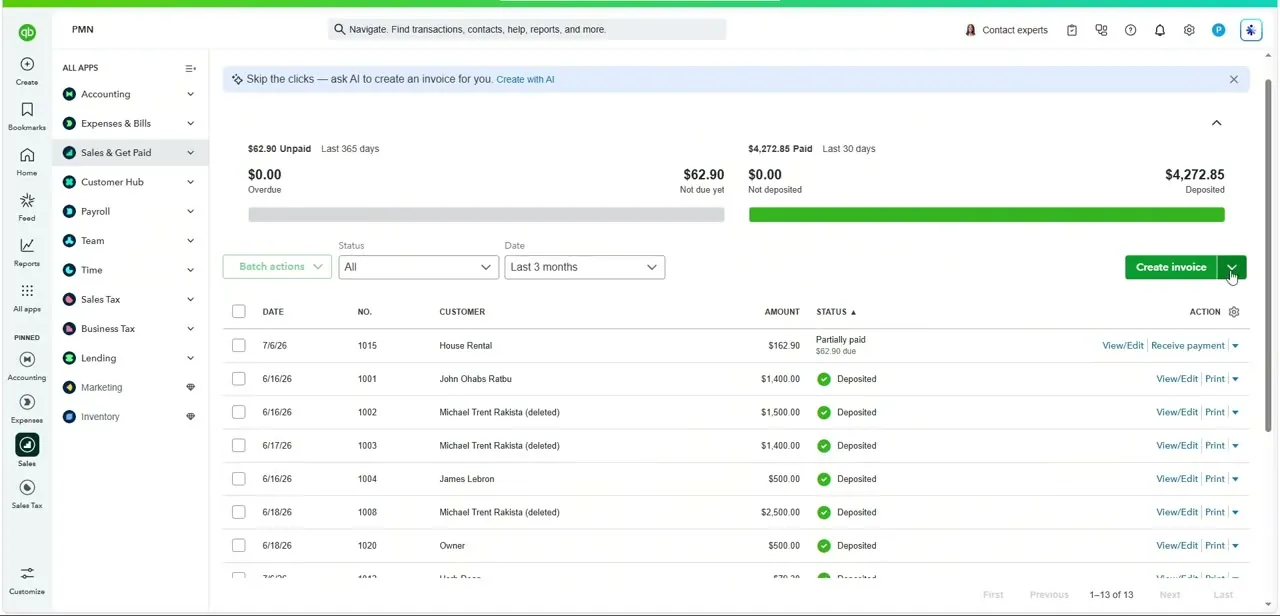
Head back to Sales, then Invoices, to confirm the change took effect. The invoice list shows every invoice's status at a glance — paid, deposited, or partially paid — along with the unpaid and paid totals for the period at the top of the page.
A written-off invoice should now show a reduced or zeroed balance instead of sitting in the unpaid column, and the summary totals at the top will reflect the smaller receivable. This is the step people skip, and it's the one that actually confirms the write-off worked rather than just assuming the credit memo did its job.
06Keep future write-offs from piling up
A write-off is a symptom of a collections gap, not just a bookkeeping task. Review aging receivables monthly rather than letting invoices drift for a year before deciding they're uncollectible, and tighten payment terms or require deposits from customers who have gone stale before. Reserve the Bad Debt write-off for genuinely uncollectible amounts — closed accounts, bankruptcies, debts not worth the cost of chasing — rather than as a shortcut for invoices you just haven't followed up on yet.
Frequently asked questions
Does QuickBooks Online have a dedicated "write off invoice" button?
No. The standard method is to create a credit memo using a Bad Debt product or service item, then apply that credit against the open invoice to bring its balance down or to zero.
Will writing off an invoice delete the original sale from my records?
No, and that's the point. The invoice stays on record, and the credit memo offsets it, so you keep an audit trail showing both the original sale and the write-off.
Can I write off only part of an invoice?
Yes. Enter the partial amount on the credit memo instead of the full balance, and apply it — the invoice will show a smaller remaining balance rather than being fully cleared.
What account should the Bad Debt item be linked to?
Set it up as a product or service item mapped to a Bad Debt Expense account in your chart of accounts, so the write-off flows to the correct place on your profit and loss.
Does a write-off affect my profit and loss report?
Yes — the Bad Debt Expense from the credit memo reduces net income for the period, which is exactly why it should be reserved for genuinely uncollectible invoices rather than used casually.
About the author

Impran M N
I've been hooked on technology for as long as I can remember — especially the new tools and AI apps that seem to land every other week. Easy Tech Tuts is where I write up whatever I've just worked out: I do the task in the real product, record the screen, and turn it into the guide I wish I'd found first.