 Easy Tech Tuts
How to Integrate Figma Designs Into Squarespace Easily 2026
By Impran M N
Bridging the gap between a Figma design and a working Squarespace site trips people up because it isn't a one-click import — there's no button that turns a Figma frame into a published page. What actually works is a manual but reliable workflow: inspect your design's structure in Figma, export the right assets in the right format, then rebuild the layout by hand using Squarespace's section and block tools. This guide walks through that real process using an example project (an academic tracker app design called AntiTres) to show exactly what each step looks like, rather than promising an integration that doesn't exist.
01Start from your Figma Recents page
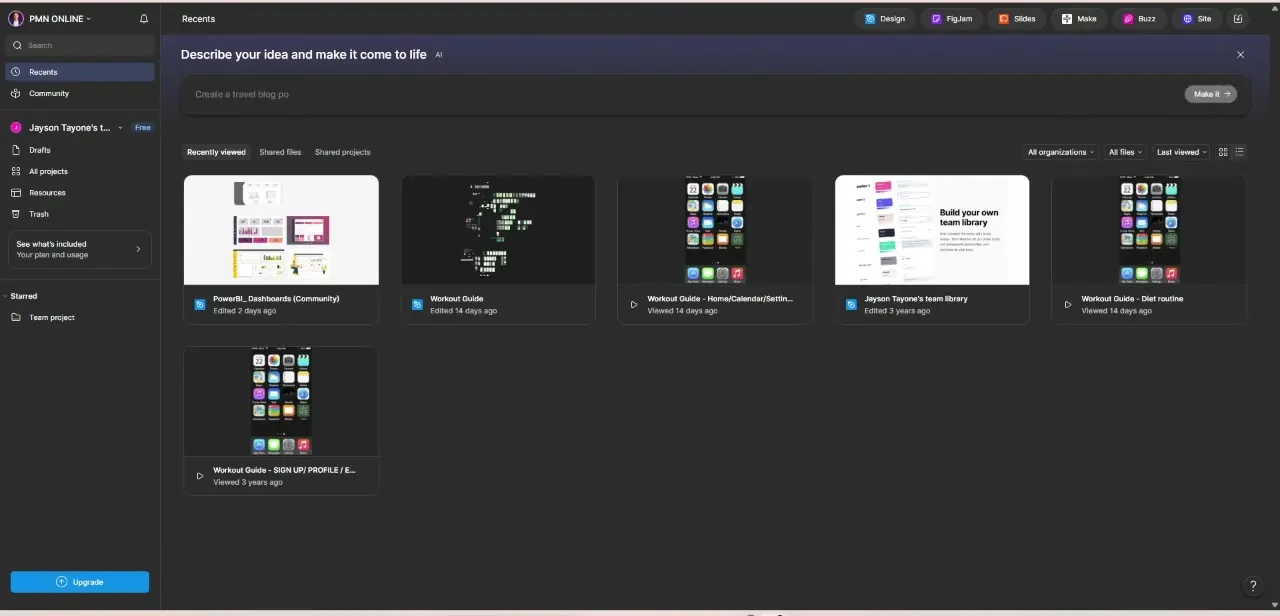
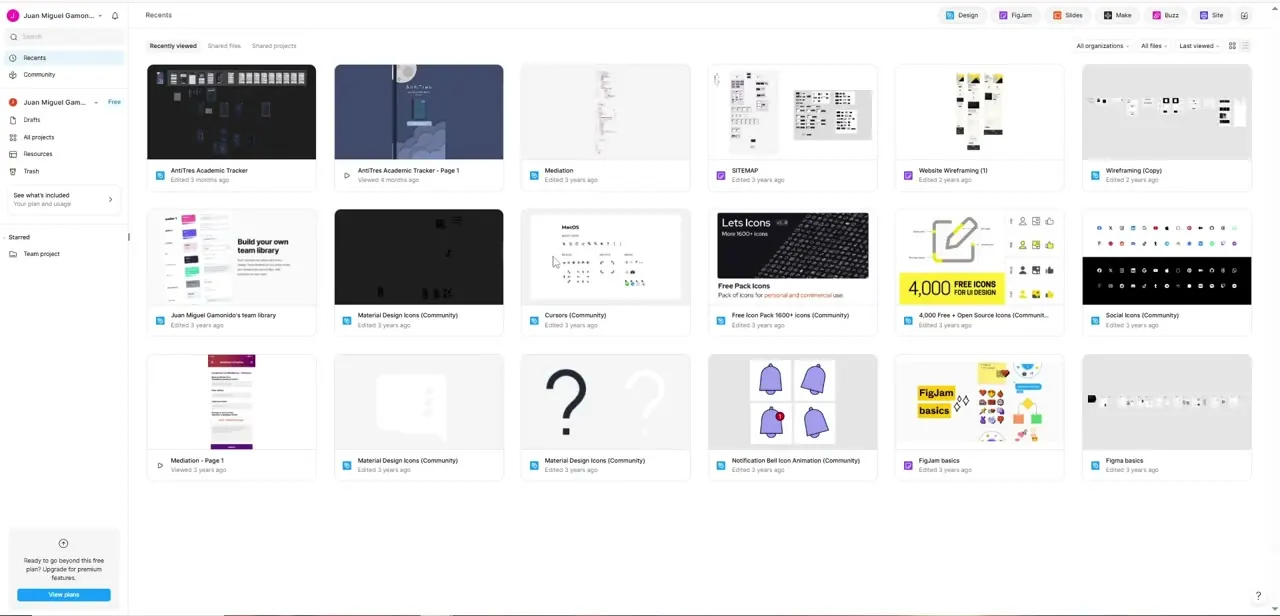
Figma's home screen lists Recents, Shared files, and Shared projects, with individual file thumbnails underneath — everything from full projects like "AntiTres Academic Tracker" and wireframing files down to smaller assets like icon packs and community resources such as "4,000 Free + Open Source Icons" or "Material Design Icons." Before exporting anything, open the actual project file rather than a scratch or wireframe file, since those tend to have outdated frames that no longer match your finished design. If you're on a free plan, note the "Ready to go beyond this plan?" prompt in the sidebar — it's a good moment to check whether your file size or team needs require an upgrade before you're mid-export.
02Inspect the frame's structure before exporting
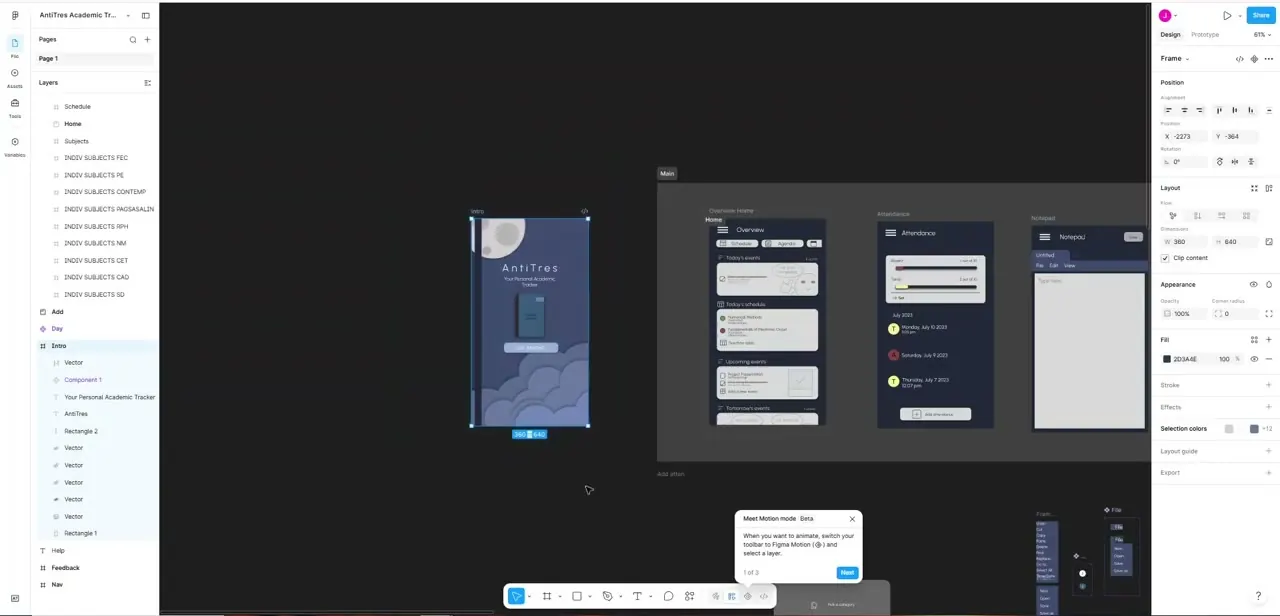
Open the project and select a frame to see Figma's full editing environment: a Layers panel on the left listing every element in the frame (Schedule, Home, Subjects, and a long list of individual subject components in the AntiTres example), and a Design panel on the right showing that frame's Position, Layout, Dimensions, and Fill values down to the pixel — a frame set to 360 by 640 with a specific hex fill color, for instance. This inspection step matters because you're not just grabbing an image later, you're learning the actual spacing and color values you'll need to recreate in Squarespace. Note the width, height, and fill colors for each section you plan to rebuild, since Squarespace won't read these values automatically.
03Export the right format for each asset
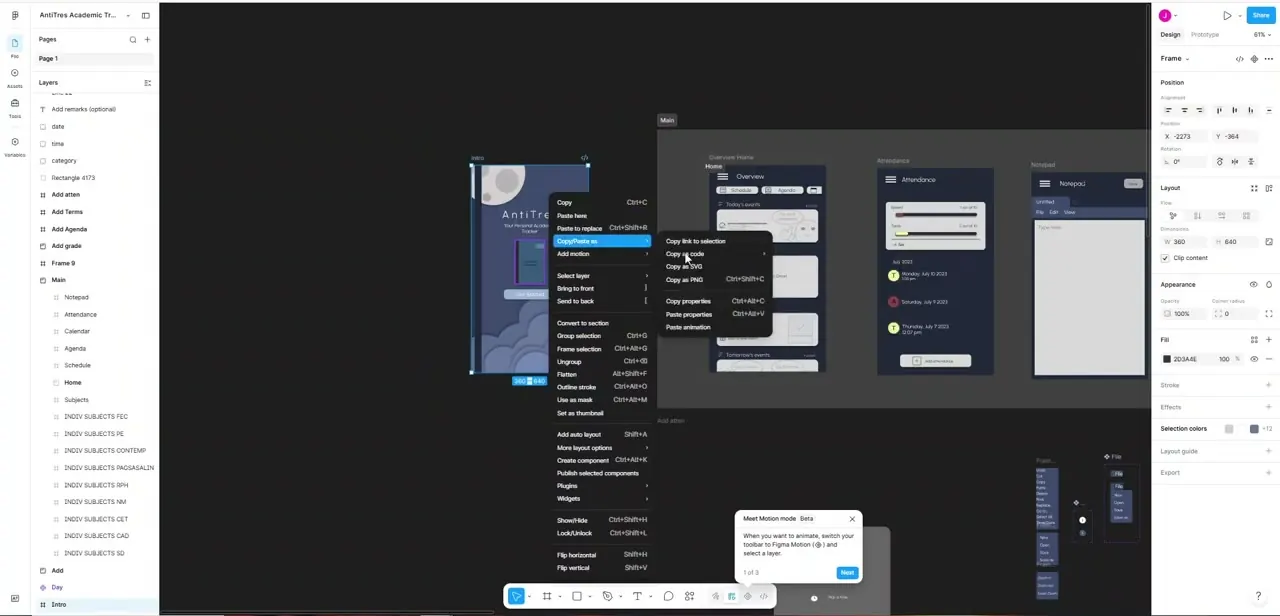
Right-click any selected layer or frame and Figma's context menu surfaces the export options you actually need: Copy as code, Copy as SVG (Ctrl+Shift+C), and Copy as PNG among them, alongside Copy/Paste as, Copy properties, and Paste properties for moving values between layers. Use SVG for icons, logos, and any graphic that needs to stay sharp at any size — it won't pixelate the way a PNG will when a Squarespace layout scales it up on a large screen.
Use PNG for anything with complex photographic detail or gradients that SVG can't represent cleanly. "Copy as code" is worth trying too — it can hand you CSS values close enough to hand-tune inside a Squarespace Code block rather than eyeballing the spacing from scratch.
04Rebuild the layout in Squarespace's block editor
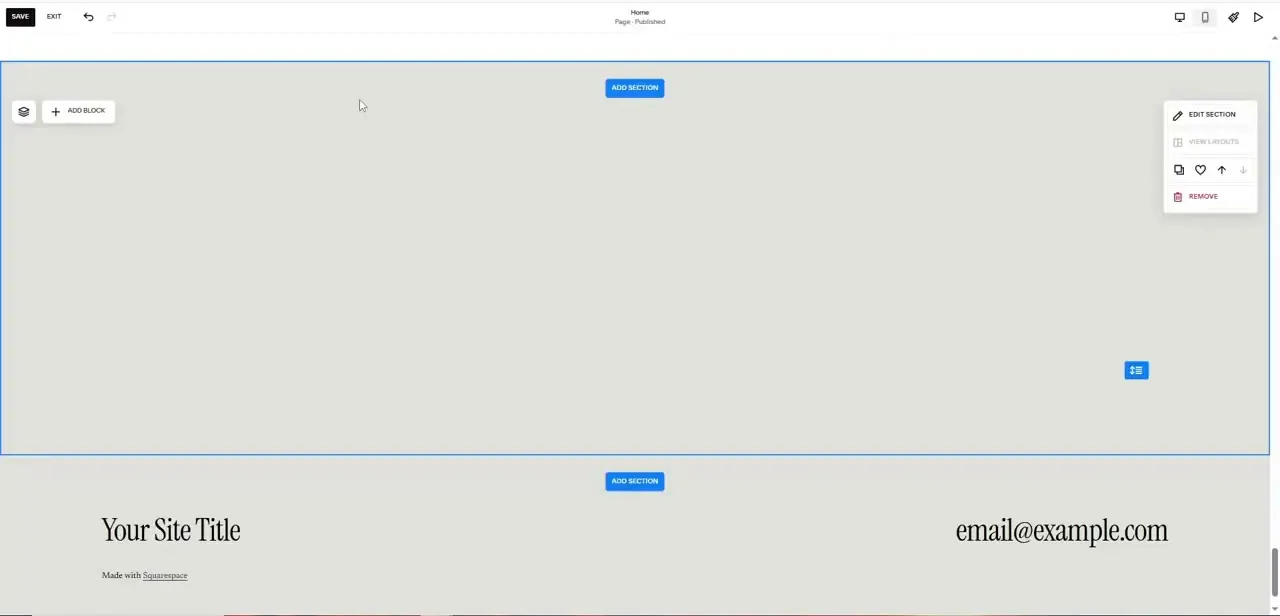
Squarespace's page editor starts you on a blank section with "ADD SECTION" and "ADD BLOCK" buttons front and center, plus a right-click-style menu for each section offering Edit Section, View Layouts, Copy, and Remove. This is where the manual rebuild actually happens: add a section for each major area of your Figma frame, then use Add Block to drop in image blocks for your exported SVGs and PNGs, text blocks for your typography, and Code blocks for anything needing custom CSS pulled from Figma's "Copy as code." There's no way to paste a whole Figma frame in at once, so work through your design section by section in the same order it's laid out in Figma, checking spacing against the pixel values you noted in the inspection step.
05Match spacing and typography as closely as Squarespace allows
Squarespace won't have the exact same font, spacing units, or color picker precision as Figma, so treat the Figma file as the reference, not a spec that transfers pixel-for-pixel. Find the closest available font in Squarespace's type system, or add the original font as a custom font if your plan supports it, and use the hex fill values you recorded from Figma's Design panel directly in Squarespace's color pickers so colors match exactly even if spacing has to be approximated.
06Compress images and check both breakpoints
Exported PNGs from Figma are often larger than they need to be for web use — run them through compression before uploading so the finished Squarespace page doesn't load slowly just because an asset came from a design tool rather than a web-optimized source. Then check the page on both desktop and mobile preview, since a layout that matched your Figma frame's fixed dimensions (say, that 360-by-640 frame) needs to be checked against how Squarespace's sections reflow on a different screen width — Figma frames are static, but a live website isn't.
Frequently asked questions
Can I import a Figma file directly into Squarespace?
No — there's no one-click import. The real workflow is exporting assets (SVG, PNG, or code values) from Figma's right-click menu, then rebuilding the layout section by section using Squarespace's Add Section and Add Block tools.
Will my Figma fonts carry over exactly?
Not automatically. Check Squarespace's available fonts for the closest match, or add your original font as a custom font if your plan supports it — Figma's font choice doesn't transfer with a copy-paste.
Should I export as SVG or PNG?
Use SVG for icons, logos, and flat graphics so they stay sharp at any size; use PNG for photographic or gradient-heavy visuals that SVG can't represent well.
Is this suitable for a first-time Squarespace user?
Yes, though it helps to be comfortable with Squarespace's Add Section and Add Block workflow first, since this process is manual reconstruction rather than an automated import.
What does Figma's "Copy as code" actually give me?
It hands you CSS-style values (like fill colors and layout dimensions) close to what's shown in Figma's Design panel, useful for hand-tuning a Squarespace Code block rather than guessing spacing by eye.
About the author

Impran M N
I've been hooked on technology for as long as I can remember — especially the new tools and AI apps that seem to land every other week. Easy Tech Tuts is where I write up whatever I've just worked out: I do the task in the real product, record the screen, and turn it into the guide I wish I'd found first.